Expanding Aerial Warfare in the Middle East Threatens Global Energy Markets
Jerusalem, Sunday, 22 March 2026.
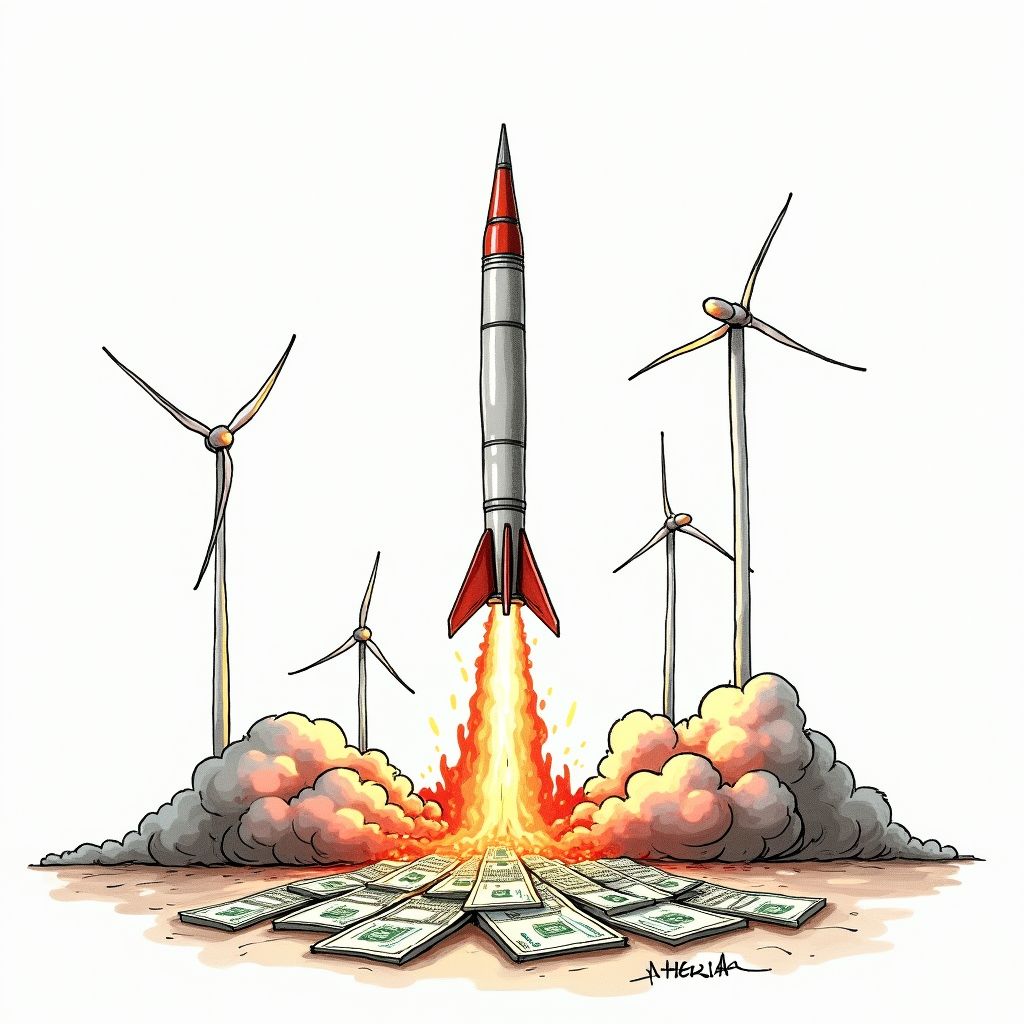
As the conflict escalates, Iranian missiles targeting a US base 3,800 kilometers away highlight unprecedented reach, signaling severe volatility for global energy markets.
Expanding the Theater of War
Rather than signaling deterrence, the allied strikes have prompted Tehran and its proxy networks to widen the geographic scope of their retaliation. On March 21, Iran launched two ballistic missiles toward the joint US-UK military facility at Diego Garcia [1][6]. Situated in the Indian Ocean approximately 3,800 kilometers from Iranian territory, this targeting demonstrates an unprecedented reach for Tehran’s missile forces and essentially places remote strategic outposts squarely within the active conflict zone [1][6].
Chokepoints and Energy Market Vulnerabilities
For global financial markets, the most alarming development is the systematic strangulation of the world’s primary energy arteries. As of mid-March 2026, Middle Eastern oil exports have plummeted, with the critical Strait of Hormuz operating in a mostly closed capacity [6]. The economic stakes prompted US President Donald Trump to issue a stark ultimatum on March 21, threatening to “hit and obliterate” Iran’s power plants if Tehran failed to reopen the Strait within 48 hours [1]. With that deadline having passed, energy traders are bracing for the potential destruction of Iranian civilian and industrial infrastructure, an event that would likely send global oil benchmarks spiraling [1][alert! ‘Market reaction is an analytical projection based on the passed military deadline’].
Internal Pressures and Geopolitical Fallout
Domestically, the Iranian regime is wrestling with intense internal friction alongside its external wars. Following the execution of three men connected to anti-regime protests earlier in 2026, authorities recently arrested 25 individuals accused of “spreading rumors” regarding the ongoing war [1]. This domestic crackdown occurs against a backdrop of severe leadership strain; over the past nine months, numerous high-ranking Iranian officials and commanders have been assassinated, fueling speculation about succession plans involving figures like Mojtaba Khamenei [6]. As the aerial bombardments intensify and the theater of war stretches from the Mediterranean to the Indian Ocean, the confluence of military escalation and energy market disruption presents a profound, multifaceted risk to the global economic order [GPT].
Sources
- www.cnn.com
- wsnext.com
- www.cnn.com
- www.instagram.com
- timesofindia.indiatimes.com
- understandingwar.org