Alphabet's Waymo Recalls Entire Robotaxi Fleet After Vehicle is Swept Away in Floodwaters
San Antonio, Friday, 15 May 2026.
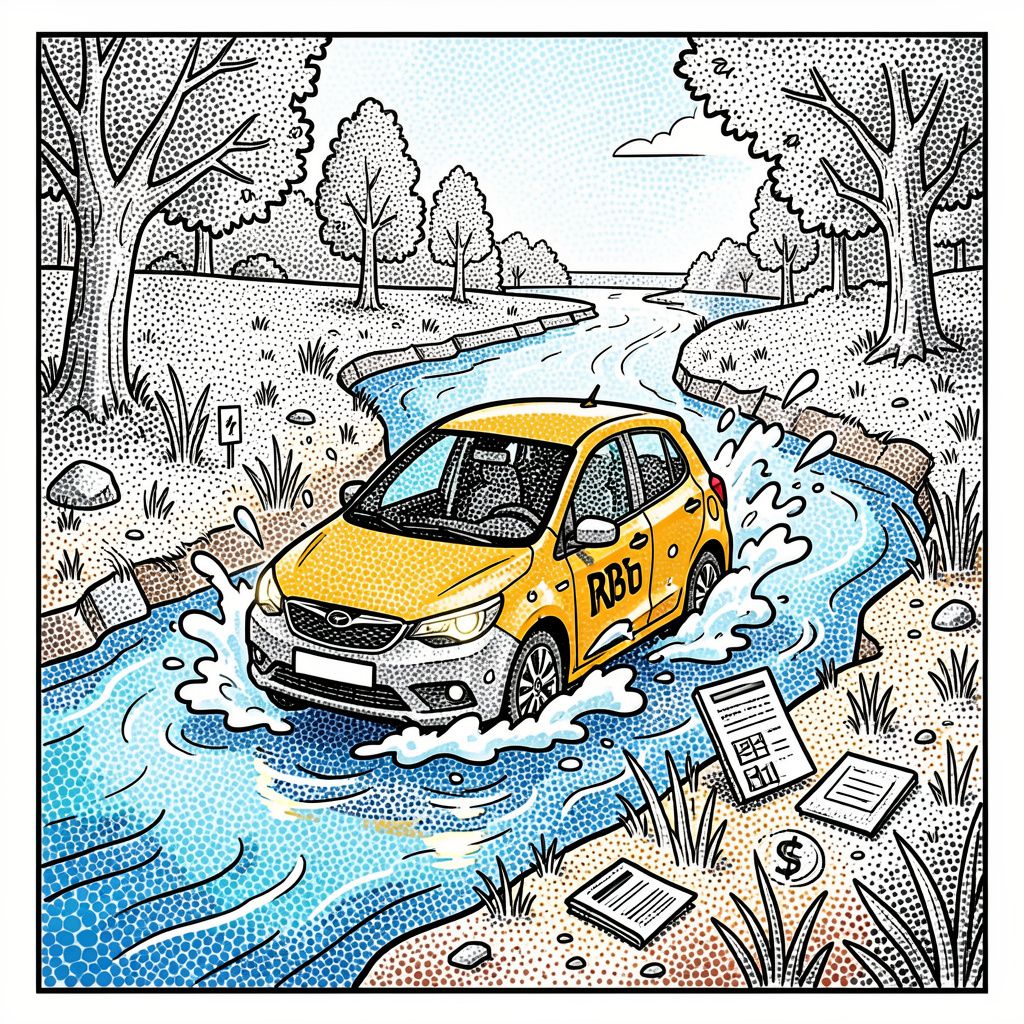
Following an April 2026 incident where an empty driverless car was swept into a Texas creek, Alphabet’s Waymo recalled all 3,791 robotaxis to address severe weather software flaws.
A Deep Dive into the Flash Flood Failure
Alphabet Inc. (NASDAQ: GOOGL) initiated the voluntary recall after an unoccupied Waymo robotaxi entered an impassable, flooded roadway with a 40 mph speed limit near Salado Creek in San Antonio on April 20, 2026 [1][3]. The vehicle was subsequently swept into the waterway, though no injuries were reported [1]. The incident exposed a critical flaw in the fifth and sixth-generation Automated Driving Systems: the software may instruct the vehicle to slow down, rather than come to a complete halt, when encountering standing water on higher-speed roads [2]. In response, Waymo began pulling vehicles off the road on April 24, 2026, and filed a recall with the National Highway Traffic Safety Administration (NHTSA) [1]. [alert! ‘Sources conflict on the exact filing date; the San Antonio Report cites May 6, while the Los Angeles Times cites April 30.’] The recall affects all 3,791 vehicles in Waymo’s current operational fleet, which will receive an over-the-air software update to mitigate the issue without requiring physical service appointments [1][4].
Sensor Limitations and Perception Challenges
The San Antonio flooding incident highlights a fundamental technical hurdle for autonomous vehicles: perceiving the depth and traversability of water. Standard autonomous hardware, including lidar and optical cameras, cannot easily “see” through water to determine if a flooded street is a shallow puddle or a deep hazard [4]. This limitation forces the software to make complex real-time judgments that sometimes fail. Waymo vehicles have reportedly struggled with flooded areas previously, including a noted incident in Phoenix in 2025 [4].
Scaling Operations Amidst Safety Scrutiny
Despite these operational setbacks, Waymo remains a dominant force in the autonomous vehicle sector. The company currently operates in 10 major cities, facilitating over 500,000 trips every week [2][3]. Waymo’s data, based on over 170 million fully autonomous miles driven, suggests its vehicles are 13 times safer than human drivers regarding pedestrian-involved crashes [2]. However, the company is no stranger to regulatory scrutiny. In 2025, Waymo recalled more than 1,200 vehicles following minor crashes involving road obstacles [2]. This represents a significant year-over-year increase in recalled units, jumping by 215.917 percent from the previous year’s action [1][2]. The company has also faced public backlash over other safety incidents, including striking a child in Santa Monica earlier in 2026 and fatally running over a cat in San Francisco in late 2025 [2].
Future Projections and Fleet Expansion
Looking ahead, Waymo has aggressive expansion plans despite the current software remediation efforts. By the end of 2026, the company forecasts a run rate of one million rides per week and expects its fleet size to surpass 6,000 vehicles [4]. Achieving this growth will require not just interim software patches, but a robust, fully developed remedy for the current Automated Driving System defects, which the NHTSA notes is still under development [2]. As autonomous technology continues to integrate into daily urban life, the balance between rapid scaling and meticulous safety engineering will remain the defining narrative for Waymo and the broader robotaxi industry [GPT].