Grocery Outlet Faces Investor Lawsuits After Rapid Expansion Triggers 36 Store Closures
Emeryville, Tuesday, 28 April 2026.
Investors are suing Grocery Outlet after a failed rapid expansion strategy abruptly triggered 36 store closures, a massive $110 million financial hit, and a 28% stock plunge.
The Collapse of a Rapid Expansion Strategy
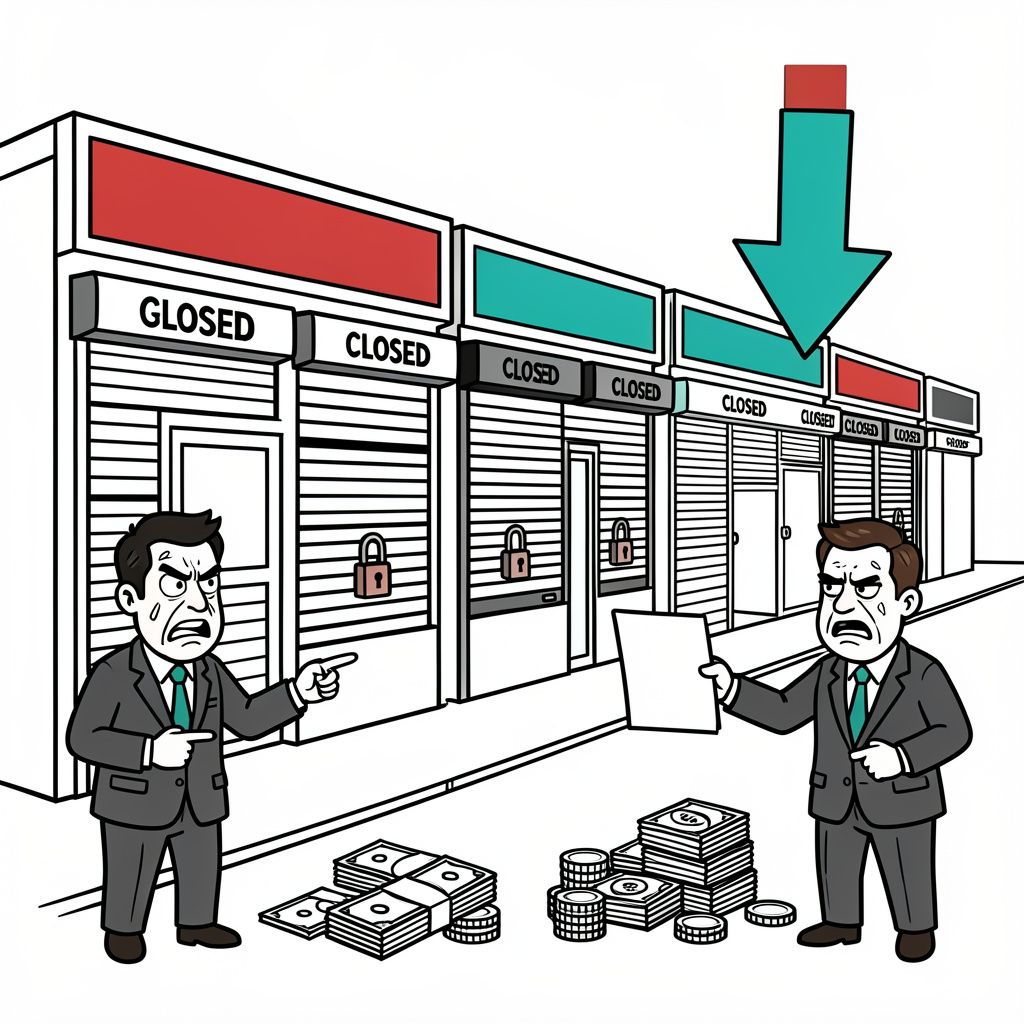
Grocery Outlet Holding Corp. (NASDAQ: GO), a United States-based retailer known for selling name-brand consumables through a network of independently operated stores, is grappling with the severe consequences of an aggressive growth strategy [6]. On March 4, 2026, the company stunned the market by revealing an “Optimization Plan” that necessitated the closure of 36 financially underperforming locations [3]. The fallout is highly concentrated geographically, with 24 of the 36 doomed stores—representing exactly 66.667 percent of the total closures—located in the company’s East region, which equates to approximately 30% of its footprint in that area [1]. Acknowledging the strategic misstep, the company’s CEO publicly admitted to making the difficult decision to close the locations, stating, “it’s clear now that we expanded too quickly and these closures are a direct correlation” [3][4].
Financial Fallout and Unmet Guidance
The restructuring disclosures arrived alongside a disappointing fiscal 2025 earnings report that broadly missed the company’s previously issued guidance [1][3]. For the full year, Grocery Outlet reported an adjusted EBITDA of $254.3 million, falling short of the $258 million lower end of its projected range [3]. Top-line growth also faltered, with net sales reaching $4.69 billion against a minimum expectation of $4.70 billion [3]. Furthermore, the company’s 52-week comparable store sales edged up by a mere 0.5%, missing the anticipated growth bracket of 0.6% to 0.9%, while diluted earnings fell short of expectations.