Nicaragua Reinstates Visa Requirements for Cubans, Closing Key Transit Route to the United States
Managua, Monday, 9 February 2026.
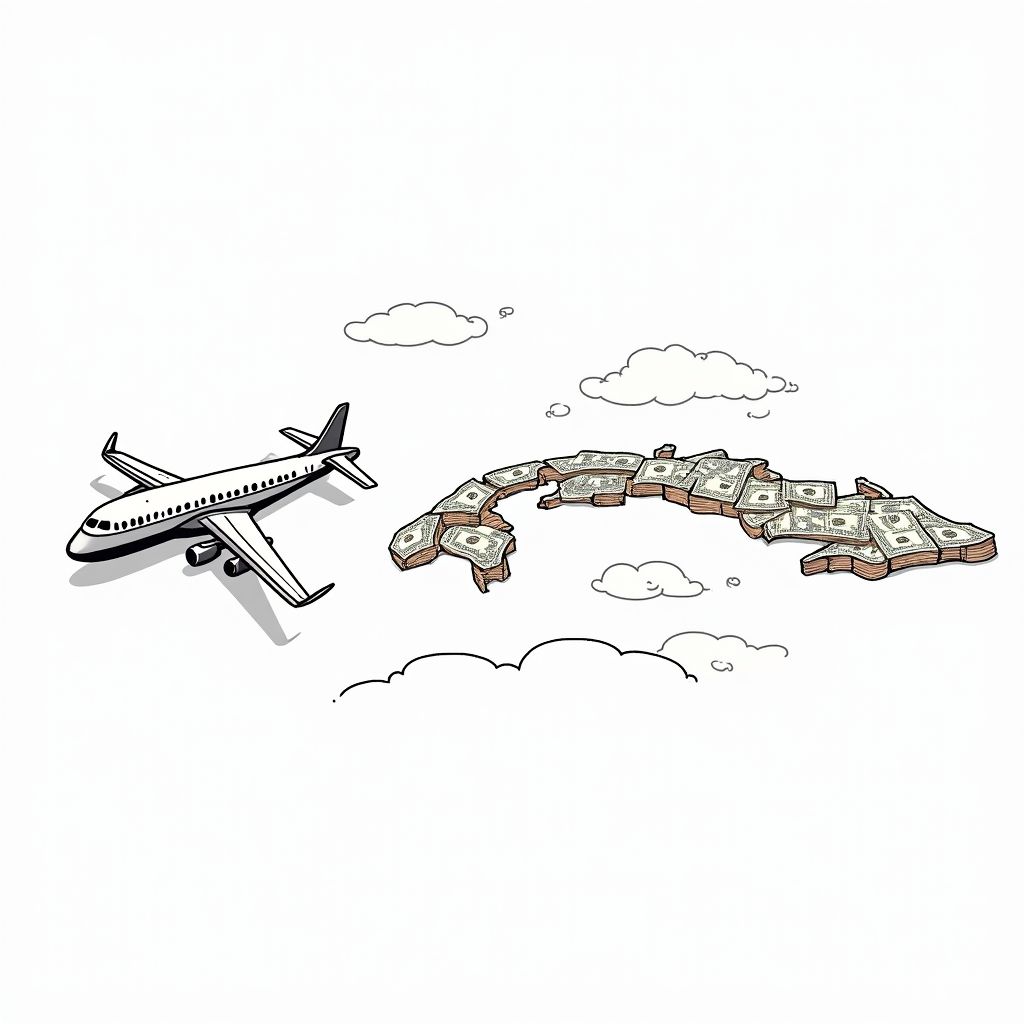
Effective February 8, 2026, the Nicaraguan government has suspended visa-free entry for Cuban nationals, effectively dismantling a critical transit corridor for irregular migration to the United States. This policy shift, transitioning Cubans from visa-exempt status to a mandatory consultative visa, comes amidst escalating pressure from Washington and recent sanctions targeting transit networks. The reversal represents a strategic departure for Managua, which reportedly generated over $50 million in 2023 by facilitating a flow that saw Cuban border encounters exceed 200,000 annually since 2022. By closing this “air bridge,” the administration forces migrants toward the treacherous Darién Gap via Guyana, significantly raising the logistical and financial barriers to entry. This development signals a major realignment in Central American enforcement dynamics, potentially alleviating immediate strain on the U.S. southern border while intensifying the humanitarian crisis for those seeking exit from Cuba’s economic collapse.
Immediate Regulatory Implementation
The mechanism for this blockade was formalized on Sunday, February 8, 2026, through Provision No. 001-2026, issued by the Nicaraguan Ministry of the Interior [6][7]. Signed by Commander Juan Emilio Rivas, Director General of Migration and Immigration, the directive explicitly reclassifies the migratory status of Cuban nationals holding ordinary passports [6][8]. Under the new framework, these travelers have been shifted from Category “A,” which permitted visa-exempt entry, to Category “C,” necessitating a “consulted visa” [6][8]. While the visa itself is technically processed without cost, the bureaucratic hurdle effectively nullifies the “open door” policy that had been in place since November 2021 [7][8]. The Nicaraguan government ordered the immediate activation of these protocols across all air, land, and maritime borders, with specific instructions sent to the Civil Aeronautics Institute to prevent airlines from boarding passengers lacking the required documentation [6][7].
The Economics of the “Air Bridge”
This regulatory reversal terminates a lucrative geopolitical arbitrage strategy that Managua had employed for over four years. Following the elimination of visa requirements in November 2021, Nicaragua positioned itself as a primary launchpad for migration, with 6,178 Cubans entering the country in December 2021 alone—the very first month of the policy’s implementation [7]. The resulting surge was dramatic: encounters of Cuban citizens at the U.S. border skyrocketed from 39,303 in fiscal year 2021 to 224,607 in fiscal year 2022, a staggering increase of approximately 471.475 percent [7]. Between 2022 and 2024, U.S. authorities recorded a total of 633202 encounters with Cuban nationals, a volume facilitated largely by the Managua transit route [7]. This flow was not just a demographic phenomenon but a financial one; reports indicate that the transit of migrants generated upwards of $50 million USD for the Nicaraguan state in 2023 [7], derived from tourism cards, landing fees, and associated transit costs.
Geopolitical Pressures and Regional Realignment
The timing of Managua’s decision suggests a capitulation to intensifying external pressure rather than a mere administrative adjustment. The policy change arrives just one month after a U.S. military operation deposed Venezuelan President Nicolás Maduro on January 7, 2026, significantly altering the regional power structure for leftist governments allied with Havana [1][7]. Furthermore, the Trump administration has aggressively ramped up enforcement measures, including threats of tariffs on nations supplying oil to Cuba and targeted sanctions against entities facilitating irregular migration [1]. Specifically, in November 2025, the U.S. imposed sanctions on Nicaraguan entities accused of profiting from these migration networks, followed by additional visa restrictions in January 2025 targeting individuals linked to the transport of irregular migrants [6][8]. Experts argue that Nicaragua had previously weaponized migration to exert leverage over the United States, but the current economic chokehold on Cuba and the shift in U.S. enforcement posture appear to have forced a retreat [1].
Shifting Routes and Humanitarian Costs
With the Nicaraguan air bridge effectively closed, the migratory landscape for Cubans is expected to revert to more perilous overland and maritime options. The primary remaining alternative is Guyana, a South American nation that has historically served as a secondary transit point [1]. However, utilizing Guyana requires migrants to traverse the Darién Gap—a dense, lawless jungle straddling the Colombia-Panama border—before navigating the entire length of Central America to reach the U.S. southern border [1]. This shift imposes severe physical and financial costs on migrants fleeing an island already suffering from an acute economic and energy crisis [1][4]. While U.S. border encounters have recently hit record lows due to broader crackdowns, the elimination of the Nicaragua route creates “extreme new barriers” for those remaining on the island, potentially pushing desperate individuals toward precarious maritime journeys to the Florida coast [1].