Mexico Extradites 37 Cartel Suspects to US Custody Amid Rising Diplomatic Pressure
Mexico City, Thursday, 22 January 2026.
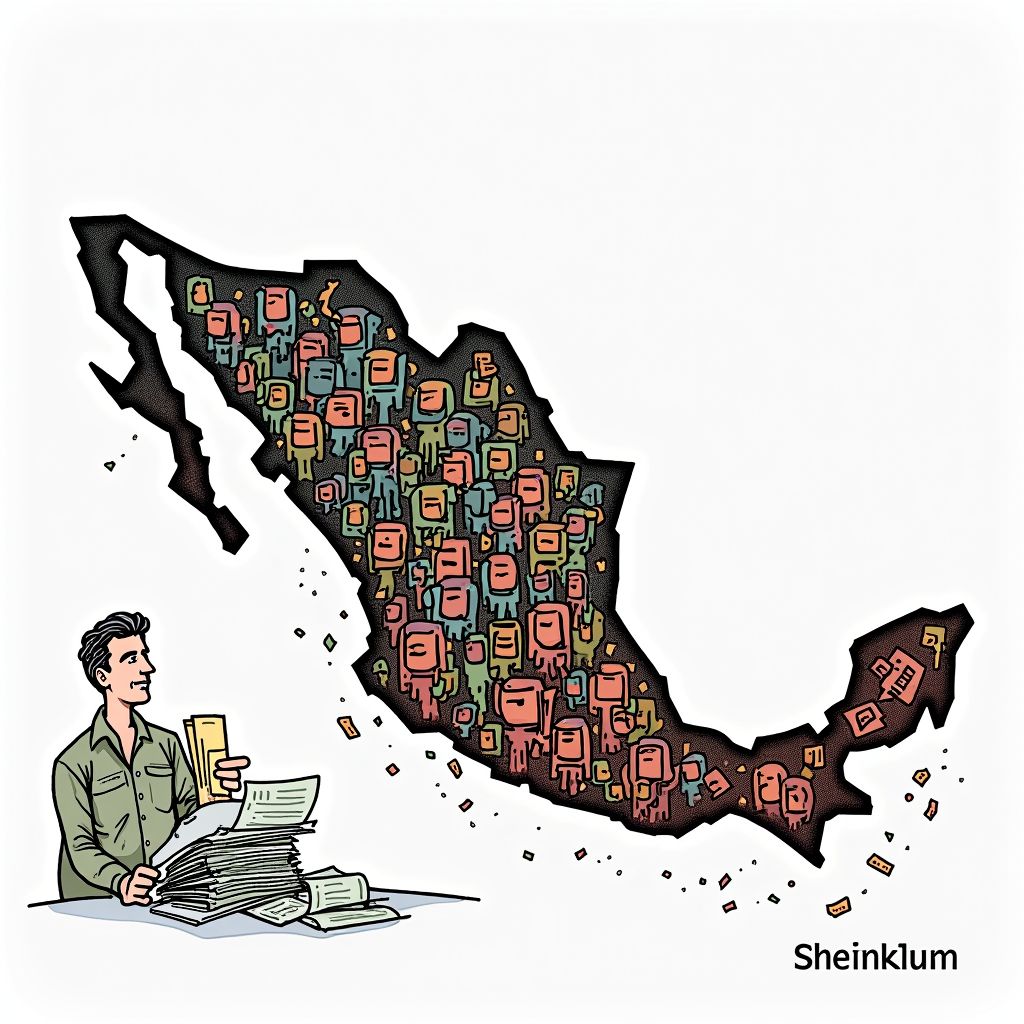
President Sheinbaum authorized the transfer of 37 cartel members to the US—a strategic “sovereign decision” designed to mitigate threats of unilateral American military action against organized crime.
Strategic Transfer Operations
On Tuesday, January 20, 2026, the Mexican government executed the transfer of 37 alleged cartel members to the United States using seven aircraft from the Mexican Armed Forces [3][8]. This operation, which U.S. Attorney General Pam Bondi characterized on Wednesday as a “landmark achievement,” marks the third major transfer of suspects in the past year, bringing the total number of individuals extradited to the U.S. to 92 [1][6]. The suspects were flown to multiple strategic locations across the United States, including Washington, Houston, New York, Pennsylvania, San Antonio, and San Diego [3][8]. While the transfer was initiated following a request from the U.S. Department of Justice, Mexican President Claudia Sheinbaum emphasized on Wednesday that the move was a “sovereign decision” made by the National Security Council, stating, “Mexico is put first above all else, even if they ask for whatever they have to ask for” [2][8].
High-Value Targets and Legal Assurances
The cohort of extradited individuals includes high-profile operatives from the Jalisco New Generation Cartel (CJNG), the Sinaloa Cartel, and other criminal factions [2][6]. Among those identified as priority targets by U.S. authorities are Ricardo González Sauceda, known as “El Ricky,” a regional leader of the Northeast Cartel; Juan Pedro Saldívar Farías, alias “Z-27”; and Ricardo Cortés Mateos, a financial operator for the Gulf Cartel [8]. Additionally, the U.S. Justice Department confirmed that Armando Gómez Núñez, a senior leader of the CJNG, has been indicted on drug and weapons charges [1][6]. Security Minister Omar Garcia Harfuch stated that these individuals represented a “real threat” to Mexico’s security [8]. Crucially, the transfer was conditioned on the assurance that none of the suspects will face the death penalty, adhering strictly to the extradition treaty between the two nations [3][8].
Navigating Geopolitical Tensions
This extradition occurs within a highly charged diplomatic environment, as President Donald Trump has recently threatened unilateral military action against cartels inside Mexico [2]. Tensions have escalated following a U.S. military operation in Venezuela earlier in January 2026 that deposed former President Nicolás Maduro, an action that has placed leaders across Latin America on edge [2][4]. Further complicating the security landscape, recent U.S. military movements near Mexico and the presence of a U.S. transport plane at Toluca airport—which Sheinbaum clarified was a logistical training operation—have sparked concern regarding sovereignty [4]. Analysts observe that the Mexican government is utilizing these transfers as a “pressure valve” to offset aggressive demands from the Trump administration while demonstrating a commitment to dismantling criminal networks [2].
Diplomacy Through Dialogue
Despite the aggressive rhetoric from Washington, President Sheinbaum has maintained a strategy based on dialogue and coordination without subordination [5]. This approach has involved regular communication, including a cordial face-to-face meeting with President Trump in December 2025 and multiple phone calls to address emerging crises [1][5]. Domestically, Sheinbaum’s handling of the bilateral relationship appears effective; her approval ratings reached 83% in May 2025 after she successfully navigated tariff threats through diplomatic channels [5]. The administration continues to balance the necessity of cooperation with the U.S. against the imperative of projecting national strength and protecting Mexican sovereignty [2].
Sources
- www.cbc.ca
- abcnews.go.com
- www.aljazeera.com
- www.npr.org
- english.elpais.com
- apnews.com
- www.military.com
- www.univision.com