Exxon and Chevron Defy Administration Pressure to Fund Venezuela’s Recovery
Houston, Monday, 2 February 2026.
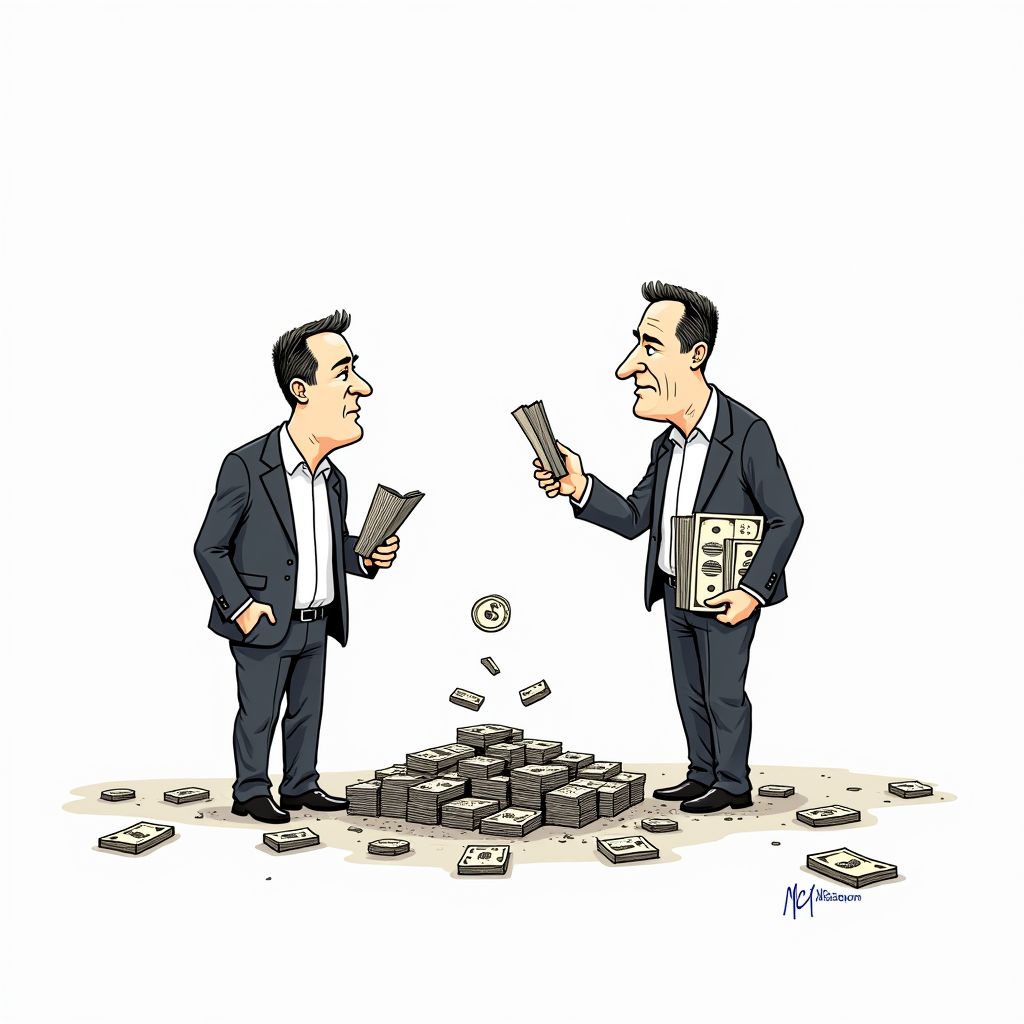
While Chevron projects a 50% output hike without new funds, both giants defy Trump’s $100 billion investment call, labeling Venezuela “uninvestable” pending significant democratic and legal reforms.
Corporate Discipline Meets Geopolitical Ambition
Despite the Trump administration’s aggressive push for a $100 billion reconstruction of Venezuela’s energy sector, Exxon Mobil (XOM) and Chevron (CVX) formally adopted a posture of strategic hesitation on Friday, January 30, 2026 [1][2]. Following the U.S. seizure of Venezuelan leader Nicolas Maduro and the subsequent assumption of control over the nation’s oil sector earlier in January [7], the White House has urged American energy giants to rapidly deploy capital [7]. However, executives from both supermajors confirmed during their fourth-quarter earnings calls that they have no plans to increase capital spending in the volatile region for 2026 [2]. This restraint comes as both companies report year-over-year earnings declines, reinforcing a commitment to the disciplined spending models that have recently driven their stock performance on Wall Street [1].
The “Uninvestable” Stance
The friction between Washington’s foreign policy goals and corporate risk management was highlighted by a tense exchange earlier in the month. Exxon Mobil CEO Darren Woods previously informed President Trump that Venezuela remained “uninvestable” until substantial reforms were enacted, a comment the President dismissed as “too cute” on January 12 [2]. Woods, whose company saw its Venezuelan assets expropriated in 2007 [7], doubled down on this position on Friday, stating that a “transition to democracy” is essential for investment to make economic sense [5]. While acknowledging the administration’s efforts to stabilize the country, Woods emphasized that Exxon requires a transparent legal framework before returning, offering only to send a technical team to assess the dilapidated energy sector rather than committing equity [4].
Earnings Pressure and Fiscal Realities
The reluctance to commit fresh capital is underpinned by a softening financial landscape for both corporations. Exxon Mobil reported fourth-quarter earnings of $6.5 billion, a decrease of -14.474% from the $7.6 billion reported in the same period the previous year [2]. Similarly, Chevron reported quarterly earnings of approximately $2.8 billion, dropping -12.5% from the more than $3.2 billion posted a year prior [2]. Amidst these contractions, both CEOs stressed that any Venezuelan projects would have to compete for capital against high-performing assets elsewhere, such as the Permian Basin and offshore Guyana [1][2]. Exxon is also awaiting an International Court of Justice ruling regarding the border dispute between Guyana and Venezuela, adding another layer of geopolitical complexity to the region [2].
Chevron’s Tactical Advantage
While Exxon remains on the sidelines, Chevron occupies a distinct operational position. Currently producing nearly 250,000 barrels per day—accounting for roughly one-quarter of Venezuela’s daily output of nearly 1 million barrels—Chevron has maintained a foothold through joint ventures [2]. CEO Mike Wirth indicated that the company could increase oil flows by 50% within 18 to 24 months, potentially lifting the nation’s total output to just above 1.1 million barrels per day [2][7]. Crucially, this expansion would be self-funded through existing operations without requiring an influx of new shareholder capital [2]. This allows Chevron to leverage the administration’s recent policy shifts, including the January 29 lifting of sanctions that now authorizes U.S. firms to sell and transport Venezuelan crude [6], while maintaining strict capital discipline.
Regulatory Shifts and Future Outlook
The regulatory environment in Venezuela is shifting rapidly in an attempt to woo foreign investment. On January 29, 2026, Venezuelan lawmakers approved revisions to the main oil law, granting private producers greater autonomy and lowering taxes [6][7]. Simultaneously, the U.S. Treasury’s Office of Foreign Assets Control (OFAC) issued a broad license allowing U.S. companies to engage in the lifting and refining of Venezuelan crude, expressly excluding competitors from China, Iran, and Russia [6]. Despite these incentives and a new agreement to market 50 million barrels of crude through trading houses Vitol and Trafigura [6], the supermajors remain cautious. As Woods noted, while the objectives of stabilizing the economy and transitioning to a representative government are correct, the timeline for these geopolitical resolutions remains uncertain [4].
Sources
- www.bloomberg.com
- fortune.com
- seekingalpha.com
- www.argusmedia.com
- www.linkedin.com
- energynews.oedigital.com
- www.france24.com