NBA Faces Corporate Sponsorship Risks Following Wembanyama Anthem Controversy
San Antonio, Saturday, 6 June 2026.
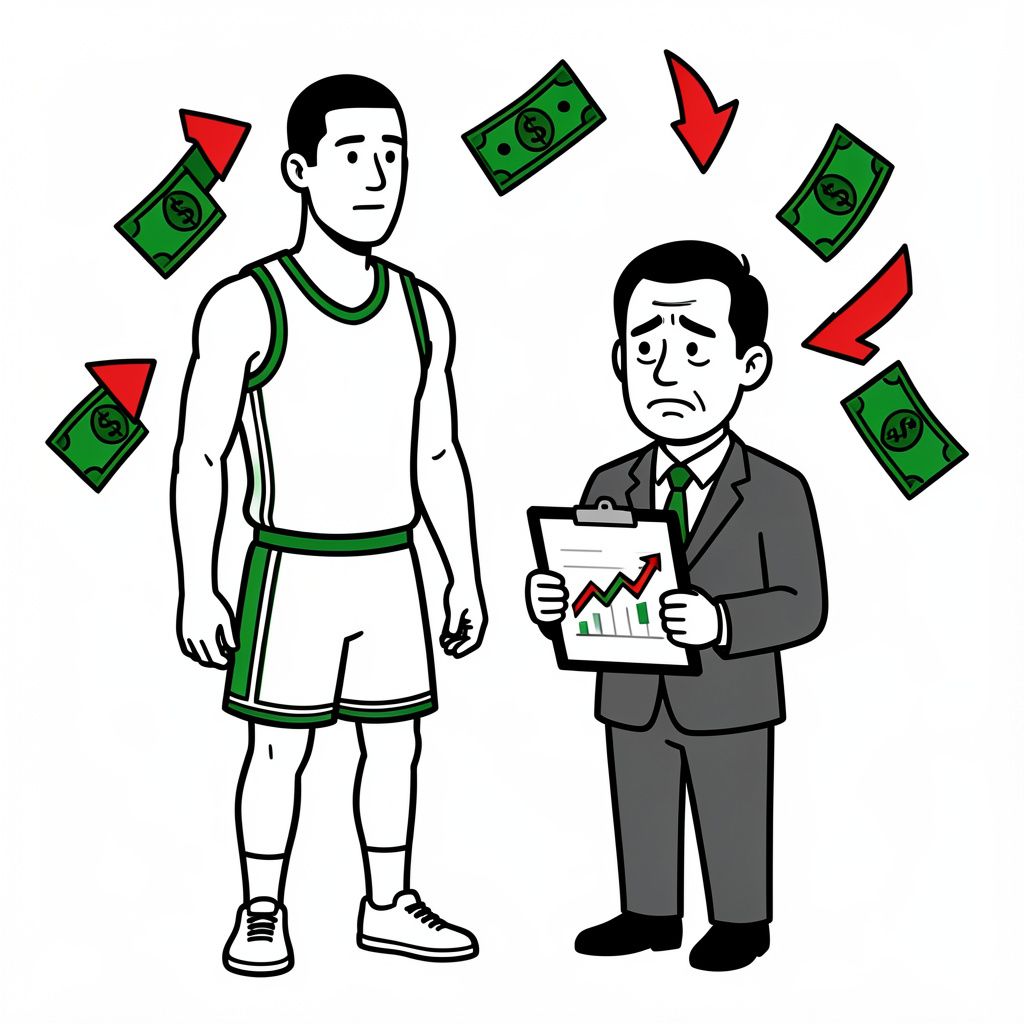
Following Donald Trump’s public condemnation of Victor Wembanyama’s anthem posture, NBA executives are closely evaluating the cultural flashpoint for potential financial threats to viewership and lucrative corporate sponsorships.
A High-Stakes Stage for a Viral Moment
The controversy originated during the pre-game festivities of Game 1 of the 2026 NBA Finals, held on Wednesday, June 3, 2026, at the Frost Bank Center [1]. As the San Antonio Spurs prepared to face the New York Knicks, star forward Victor Wembanyama stood silently with his arms crossed during the performance of “The Star-Spangled Banner” [1][2]. The Knicks ultimately secured a 105-95 victory, overcoming a double-digit third-quarter deficit behind strong performances from Jalen Brunson and Karl-Anthony Towns [1][4]. However, the on-court action quickly became overshadowed by the intense scrutiny directed at Wembanyama’s sideline posture [2].
The Anatomy of an Anthem Controversy
Almost immediately following the broadcast, a heated debate erupted across social media platforms [2]. Critics characterized the gesture as explicitly disrespectful, arguing that traditional displays of patriotism are expected during the anthem, regardless of a player’s nationality [1][2]. Some commentators even drew speculative parallels between Wembanyama’s posture and former NFL quarterback Colin Kaepernick’s decision to kneel during the anthem years prior [1]. The digital footprint of the outrage was substantial; an Instagram post by the account “ball44tv” discussing the backlash accumulated 21,000 likes and 2,981 comments by Thursday, June 4, resulting in 23981 total direct interactions on that single piece of media [2].
Navigating the Business of Public Perception
For the NBA and its network of corporate partners, this type of cultural flashpoint introduces distinct commercial vulnerabilities [GPT]. When a superstar athlete’s minor action generates massive public attention, franchise executives must carefully navigate the resulting polarization [2]. The rapid escalation of the debate—fueled further by high-profile political condemnation [alert! ‘Specific statements from President Trump regarding this incident are not detailed in the provided source material’]—demonstrates how quickly sports entertainment can intersect with political theater [GPT]. As the Finals progress through June 2026, stakeholders will be closely monitoring viewership metrics and consumer sentiment to determine if this localized outrage will translate into broader economic impacts for the league’s brand ecosystem [GPT].