Court Clears Historic Liner to Become Massive Artificial Reef
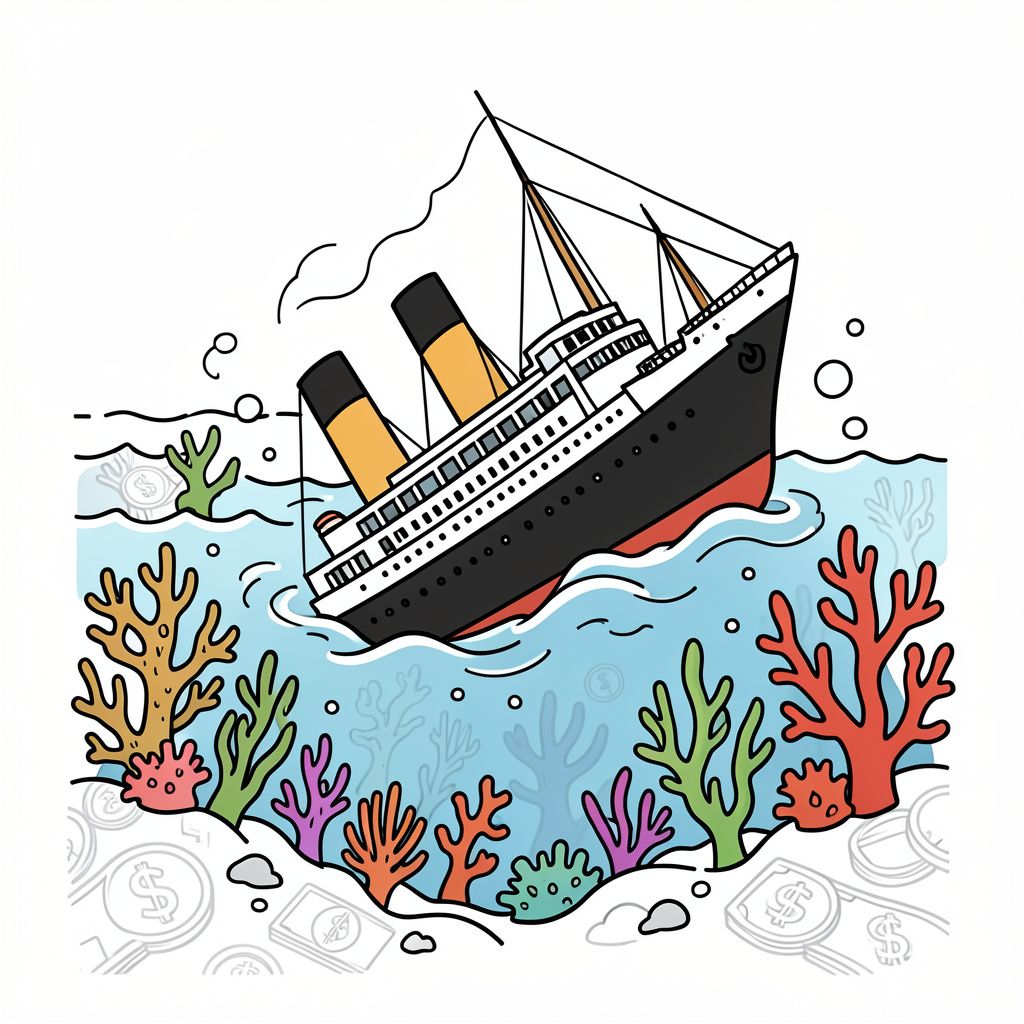
Destin, Saturday, 7 November 2026.
A federal judge rejected preservationists’ injunction, clearing the historic ocean liner to be sunk on November 12, 2026, creating the world’s largest artificial reef and boosting regional tourism.
Legal Battle Reaches Climax
A federal judge in Florida delivered a decisive ruling on Friday, November 6, 2026, denying the SS United States Preservation Foundation’s emergency motion for a temporary restraining order to block the ocean liner’s planned sinking [1][3][4][5]. Judge M. Casey Rodgers dismissed the foundation’s complaint, stating the docket lacked a verified complaint or affidavit attesting to the facts presented [1][5]. The judge also highlighted the preservation group’s failure to propose a bond amount to cover the substantial expenses associated with berthing and mooring a vessel of this size [1][5]. The ruling represented the final legal hurdle for Okaloosa County, which has long championed the project as a transformative economic and ecological initiative [1][3][4][5].
Environmental Concerns Echoed by Advocates
Preservationists and environmental activists have raised serious concerns about the potential ecological impact of sinking the 74-year-old liner, which served as the world’s fastest ocean liner during its operational years [2][3][4][5]. The SS United States Preservation Foundation argued that the vessel’s paint and construction materials, including hexavalent chromium, could pose significant environmental risks, including the contamination of Gulf seafood supplies [2][3][4][5]. Erin Brockovich, the renowned environmental activist, publicly criticized the project, stating, ‘Clean your ship up before you sink her … or be stupid, do it, harm thousands, and spend hundreds of millions cleaning up your crap for the next twenty years’ [3]. Marine researchers, such as Dr. Todd Osborne from the University of Florida, have warned that the breakdown of chemicals like zinc chromate in seawater could harm marine organisms, sediments, and the broader food web [5].
Economic and Recreational Promise
Despite the environmental opposition, Okaloosa County officials remain confident in the project’s benefits, projecting that the new artificial reef will generate tens of millions of dollars in regional economic impact and tourism revenue [1][3][4]. Nick Tomecek, a spokesman for the county, emphasized the global interest in the project, noting that the reef is expected to draw ‘many thousands of visitors a year’ [1][4]. The county plans to open the wreck to divers and recreational fishermen shortly after its deployment, with the sinking scheduled for November 12, 2026, weather permitting [1][3][4][5]. The vessel, which measures 301.8 meters (990 feet) in length, will be sunk approximately 40.7 kilometers (22 nautical miles) southwest of Destin-Fort Walton Beach, Florida, at a depth of about 54.9 meters (180 feet) [1][2][4][5].
Timeline of Events and Future Outlook
The SS United States, which has been undergoing deep cleaning and preparation in Mobile, Alabama, since March 2025, is set to be towed out on Monday, November 9, 2026 [1][2][3][4]. The sinking operation, which will take approximately 45 minutes, will involve filling the ship’s tanks with water to achieve a controlled descent [1][4]. Once on the seafloor, the wreck will become the world’s largest artificial reef, offering a unique diving destination and a new habitat for marine life [1][3][4][5]. While the project is now cleared to proceed, the Preservation Foundation has filed a new motion for a temporary restraining order and submitted an affidavit from co-founder Carlos Camacho Jr., signaling that the legal and environmental debate may continue [1][3].