New York City Freezes Citi Bike Fees and Caps Electric Ride Fares
New York, Monday, 23 November 2026.
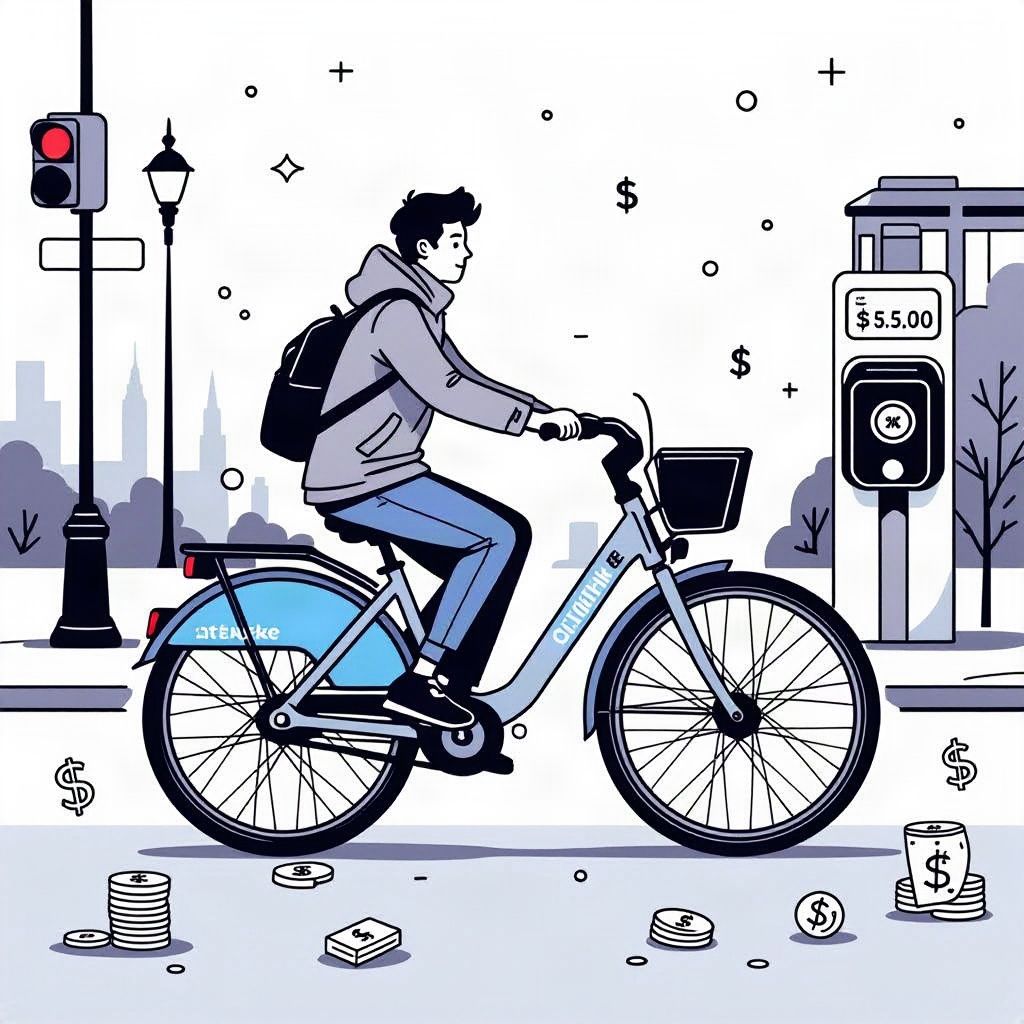
Starting January 2027, New York City will cap member electric bike rides at $3.65, saving commuters up to $8.50 per trip while freezing annual membership costs through 2029.
A Landmark Agreement for Urban Mobility
New York City officials and Lyft (NASDAQ: LYFT) have finalized a binding agreement to cap Citi Bike e-bike ride fares for members at $3.65 for rides lasting up to 45 minutes, effective January 19, 2027. The framework, which extends through May 26, 2029, simultaneously freezes annual membership fees at $239—a move that caps years of escalating costs that had pushed 45-minute e-bike trips beyond $12. This regulatory intervention underscores growing municipal scrutiny of privately operated micro-mobility systems that operate as essential transit infrastructure without public subsidies. [1][2][3][6]
From Crisis to Compromise: The Cost Escalation That Sparked Reform
The urgency of Monday’s announcement reflects a period of sustained price hikes that had eroded public trust in Citi Bike’s affordability. Between 2022 and January 2026, Citi Bike raised fares six times, citing tariffs and inflation as primary drivers. By late 2026, non-members faced e-bike trips costing more than $18 for 45 minutes plus a $4.99 unlock fee, while members paid 27 cents per minute—translating to $12.15 per 45-minute ride. [1][2][5][alert! ‘The exact number of fare hikes and their timing is not uniformly reported across sources, requiring triangulation of multiple reports’]
Breaking Down the New Framework: Savings and Stability
Under the terms of the agreement, Citi Bike members will see their per-ride costs plummet from a maximum of $12.15 to $3.65 for 45-minute e-bike trips, delivering potential savings of up to $8.50 per ride. Shorter rides that already cost less than $3.65 will remain unchanged, preserving affordability for brief commutes. Annual membership fees, previously $239, are now frozen through May 2029—the expiration date of Lyft’s city contract. This stabilization addresses a key concern raised by advocates and city leaders alike. [1][2][3][6]
Infrastructure Upgrades: Powering a Sustainable Future
The agreement also includes $alert! ‘Specific funding allocation for infrastructure upgrades is not detailed in the provided sources; the plan involves installing charging stations at over 130 Citi Bike stations starting in 2027’ to enable e-bikes to recharge dockside rather than requiring battery swaps. This modernization initiative aims to enhance system reliability and reduce operational costs for Lyft while expanding e-bike availability across the city. [1][2][3][6]
Reactions from City Hall and Advocacy Groups
Mayor Zohran Mamdani framed the agreement as a victory for affordability, stating, ‘Getting around New York City shouldn’t come with a price tag that keeps climbing by the minute.’ City Department of Transportation Commissioner Mike Flynn echoed this sentiment, emphasizing that the price freeze aligns with the administration’s broader agenda to make transit more accessible. Advocacy group Transportation Alternatives celebrated the announcement as a direct result of public pressure, declaring on social media: ‘After thousands of New Yorkers demanded a more affordable Citi Bike, the City just announced a $3.65 cap.’ [2][3][7]
Who Benefits—and Who Doesn’t?
While members of the Citi Bike program will benefit from immediate savings and fee stability, non-members remain outside the protections of the agreement. Current pricing for non-members includes a $4.99 unlock fee and a per-minute charge that results in over $18 for a 45-minute e-bike ride—unchanged by the new framework. This distinction underscores the inequity in access to discounted transit options in a city where 82% of Citi Bike rides are taken by members. [2][4][alert! ‘The 82% statistic is sourced from The New York Times, but corroboration across other outlets is not explicitly confirmed’]
A Model for Municipal Oversight of Private Transit?
The deal represents a rare intervention where municipal authorities successfully reined in a private operator’s pricing power within a monopolistic transit framework. Councilmember Lincoln Restler, who introduced legislation to cap Citi Bike fees two years prior, hailed the agreement as a triumph for riders who had felt ‘taken advantage of’ by unchecked price increases. The agreement’s emphasis on affordability and operational transparency may set a precedent for future negotiations between cities and private mobility providers. [1][5]
Sources
- gothamist.com
- www.nytimes.com
- www.cbsnews.com
- www.reddit.com
- nyc.streetsblog.org
- x.com
- www.facebook.com