Saudi Arabia Begins Construction on Massive Renewable Energy Data Hub
Neom, Monday, 7 September 2026.
Saudi developer DataVolt has broken ground on a $5 billion data center in Neom’s Oxagon district, aiming to power global artificial intelligence processing using local renewable energy by 2028.
Partnership and Capacity Targets
The newly announced facility represents a significant increment in the Kingdom’s digital infrastructure, with Humain and DataVolt commencing work on 100MW of the planned 360MW first phase [2][5]. This initial tranche constitutes approximately 27.778 percent of the first phase’s total capacity, setting the groundwork for a campus ultimately targeting 1.5GW of total power capacity [2][4]. Construction activities began immediately following the announcement, with the first 100MW anticipated to become operational by 2028 [5][7]. The site, located in the floating hexagonal industrial district of Oxagon, will leverage pre-zoned industrial land and access to subsea cable connectivity linking Europe and Africa [5][7].
Financial Commitments and Leadership
DataVolt, founded in 2023 by Vision Invest, is driving the development with an initial investment commitment reported at $5 billion for the first phase [4][6]. While some reports initially referenced a $1 billion figure for the data center, subsequent disclosures regarding the Oxagon campus specify the higher valuation for the phase [1][4]. Rajit Nanda, CEO of DataVolt and former executive at ACWA POWER, intends to utilize his experience in raising project debt to fund the expansion, aiming to slash development times [1]. The project aligns with Saudi Vision 2030, aiming to diversify the economy away from oil dependence through technology hubs [2].
Energy Supply and Geopolitics
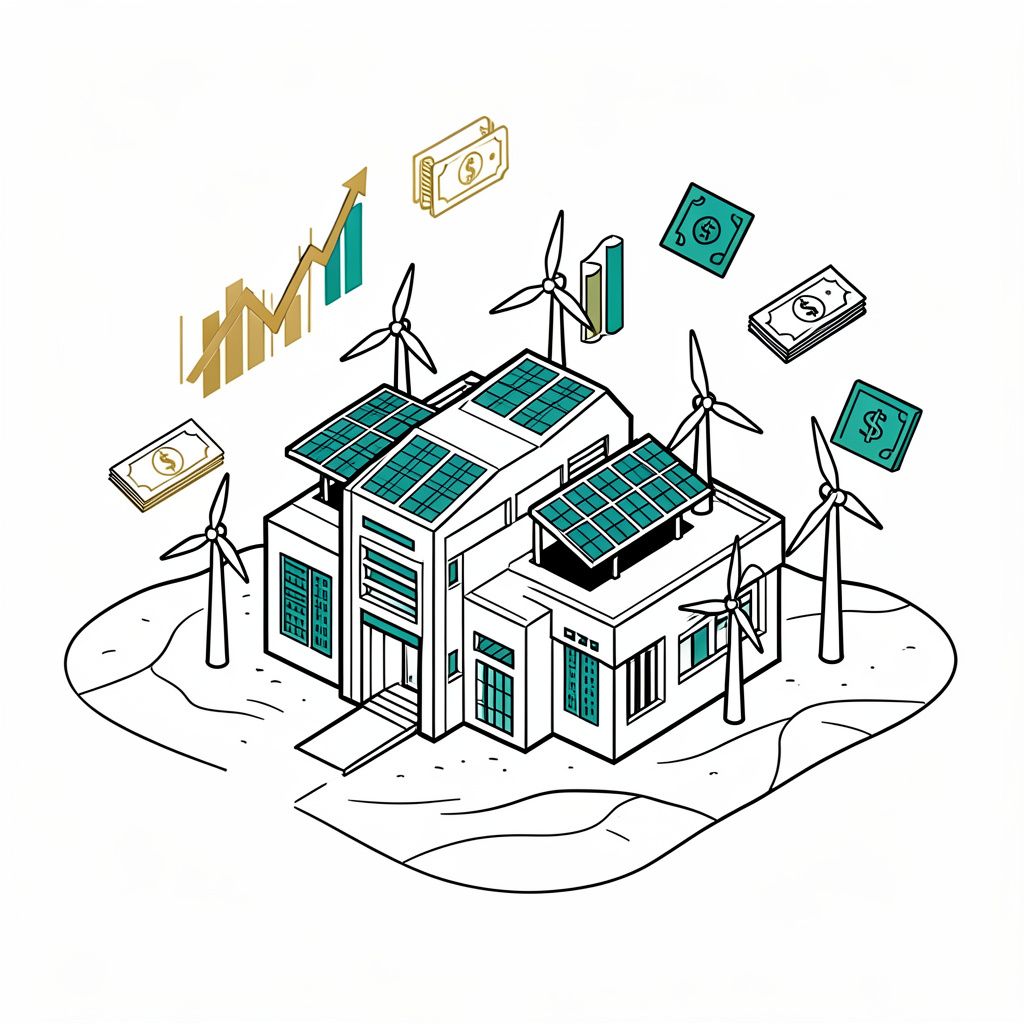
Powering the facility will rely on Neom’s wind and solar assets, designed for net-zero operations amidst the desert climate [2][4]. A critical strategic decision involves the supply chain, with DataVolt committing to exclude Chinese components and technology from its infrastructure [1]. This aligns with a strategic cooperation agreement related to AI signed between the Saudi and US governments last year, though specific terms regarding chip quotas remain undisclosed [1]. Nanda stated confidence in securing necessary semiconductors despite tight US export controls on advanced American-made chips [1].
Market Context and Infrastructure
Industry analysis suggests Saudi Arabia may require around $42 billion of data center investment by 2030 to meet demand [3]. While Nanda dismisses the idea of a bubble in AI infrastructure, noting a global shortage of compute capacity for the next 10 years, experts highlight cooling and firm power as critical challenges in the region [1][3]. To further support this ecosystem, DataVolt also signed a Memorandum of Understanding with Zain KSA to develop additional data centers across the Kingdom [2]. The success of such gigawatt-scale announcements will depend heavily on resolving cooling logistics, which决定 whether the compute capacity can effectively run [3].
Sources
- www.semafor.com
- www.datacenterdynamics.com
- www.linkedin.com
- neom.directory
- www.linkedin.com
- www.ice.it