Amazon Pivots Grocery Strategy, Closing Fresh and Go Chains to Expand Whole Foods
Seattle, Tuesday, 27 January 2026.
Amazon shutters 72 tech-centric stores, citing unscalable economics for its cashierless experiment. The strategic pivot consolidates physical retail under Whole Foods while aggressively expanding same-day delivery networks.
Amazon Pivots Grocery Strategy, Closing Fresh and Go Chains to Expand Whole Foods
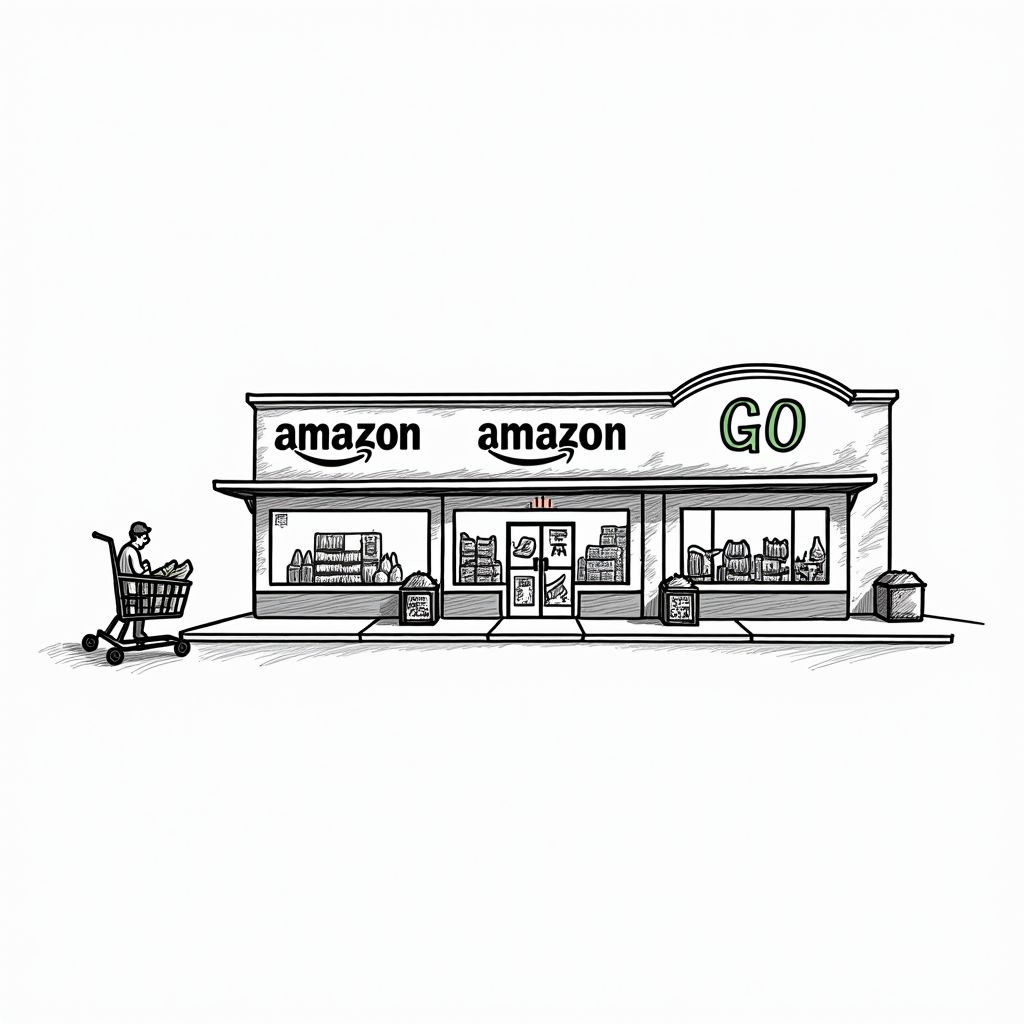
Amazon (AMZN) has officially signaled the end of its experimental phase in standalone physical grocery retail. On January 26, 2026, the company announced the closure of its Amazon Fresh and Amazon Go brick-and-mortar locations, a decision that underscores the difficulty of scaling cashierless technology in a general retail environment [1][3][6]. This strategic retreat involves shuttering 72 total locations across the United States, consisting of 57 Amazon Fresh supermarkets and 15 Amazon Go convenience stores [1]. The move represents a significant consolidation of Amazon’s grocery footprint, shifting focus away from its homegrown brands to double down on its acquired asset, Whole Foods Market [1][5].
Timelines and Closures
The timeline for these closures is aggressive, with the final day of operation for most locations scheduled for Sunday, February 1, 2026 [2][6]. However, stores in California will remain open for an additional 45 days to comply with state labor notification requirements [2]. While the tech-heavy storefronts are closing, Amazon has clarified that it will not abandon the grocery sector entirely; instead, specific sites may be converted into Whole Foods locations, preserving some of the physical real estate [1][4][5]. Amazon stated it is working to help affected employees find other roles within the company during this transition [5].
The Economic Reality of Cashierless Tech
The decision to close these chains follows a decade of experimentation that began with the promise of “Just Walk Out” technology, which utilized cameras and sensors to eliminate checkout lines [1][6]. Despite what the company described as “encouraging signals,” Amazon ultimately concluded that it had not achieved a “truly distinctive customer experience with the right economic model needed for large-scale expansion” [3][4][5]. This sentiment echoes earlier struggles; in 2024, the company closed specific locations after admitting it “couldn’t make the economics work with the lease cost” [3]. Analysts suggest that the technology, while innovative, did not solve a pressing enough problem for the average shopper. Neil Saunders, managing director of GlobalData, noted that the Amazon Fresh format was “too similar” to existing competitors and that the cashierless technology was not something customers “really care about” [7].
Consolidating Under Whole Foods
Amazon’s retreat from Fresh and Go marks a consolidation of its physical footprint under Whole Foods Market, which it acquired for $13.7 billion in 2017 [1]. Since that acquisition, Whole Foods has seen sales growth of over 40% and has expanded to more than 550 locations [3][6]. Rather than exiting physical retail, the company has outlined ambitious plans to open more than 100 new Whole Foods stores over the next few years [1][3][5]. This expansion includes the rollout of the “Whole Foods Market Daily Shop,” a smaller store format designed to penetrate denser urban markets [1][5].
The Delivery Battleground
Beyond brick-and-mortar expansion, the company is intensifying its focus on logistics. Amazon currently delivers groceries to approximately 5,000 cities and towns in the U.S. and intends to expand same-day delivery capabilities for fresh and frozen foods throughout 2026 [5][6]. This shift indicates a strategy focused on leveraging Amazon’s logistical dominance rather than maintaining costly, tech-heavy physical storefronts that failed to differentiate themselves in a crowded market [5][7]. By pivoting resources to Whole Foods and delivery networks, Amazon aims to capture grocery market share through established brand equity and convenience rather than experimental retail formats [1][7].
Sources
- www.cnbc.com
- www.reddit.com
- techcrunch.com
- www.businessinsider.com
- abc3340.com
- www.wfsb.com
- www.4029tv.com