Jay-Z Returns to Yankee Stadium for Historic Album Anniversary Concerts
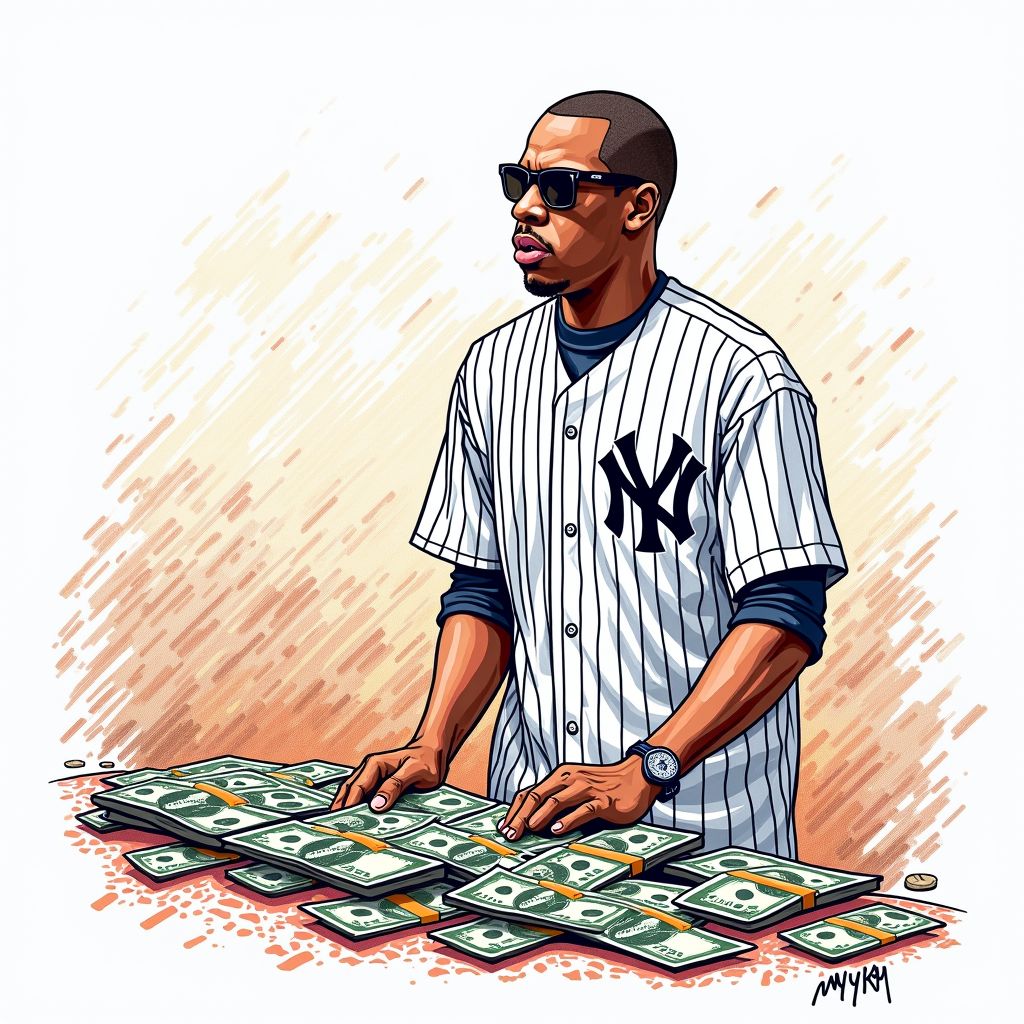
New York, Wednesday, 18 March 2026.
Ending a years-long hiatus, Jay-Z will play Yankee Stadium this July to celebrate two classic albums, a milestone event projected to drive massive local economic and hospitality revenue.
A Billion-Dollar Return to the Bronx
On Wednesday, March 18, 2026, Roc Nation and Live Nation officially announced that the 25-time Grammy winner and billionaire music mogul will headline two consecutive nights at Yankee Stadium this coming July [6][7]. The performances, slated for July 10 and July 11, mark a highly anticipated return for the Brooklyn native, who has reverted to using his classic 1996-era stage name, complete with an umlaut: “JAŸ-Z” [1][5]. For the live music industry, this represents a major injection of capital, leveraging the immense purchasing power of older millennial and Gen X fans eager to see a legacy hip-hop act on a stadium scale [GPT].
Scarcity, Strategy, and Potential Residencies
The financial success of these upcoming summer shows is practically guaranteed by the economic principle of scarcity. Jay-Z has been on a self-imposed touring hiatus, effectively marking a 8-year break since his 2018 “On the Run II” stadium tour alongside his wife, Beyoncé [3]. His last full solo project, ‘4:44’, was released in 2017 [3]. Aside from joining Beyoncé on stage in Paris in June 2025 and a surprise set at Pharrell’s Something in the Water festival in 2019, his live presence has been exceptionally rare [1][5]. This prolonged absence creates a pent-up consumer demand that live event promoters rely on to drive dynamic ticket pricing [GPT].
Rebuilding the Live Ecosystem
Before taking over the Bronx, Jay-Z will test the live market in Philadelphia. Just a day prior to the Yankee Stadium news, it was revealed that he will headline the 2026 Roots Picnic at Belmont Plateau on May 30 [3][8]. This festival appearance will mark his first time performing alongside The Roots in a decade, reviving a collaborative synergy last captured on his 2001 ‘Jay-Z: Unplugged’ album [1][3].