South Texas Harbor Unlocks Tax-Free Trade Benefits to Spur Industrial Investment
Port Mansfield, Friday, 30 October 2026.
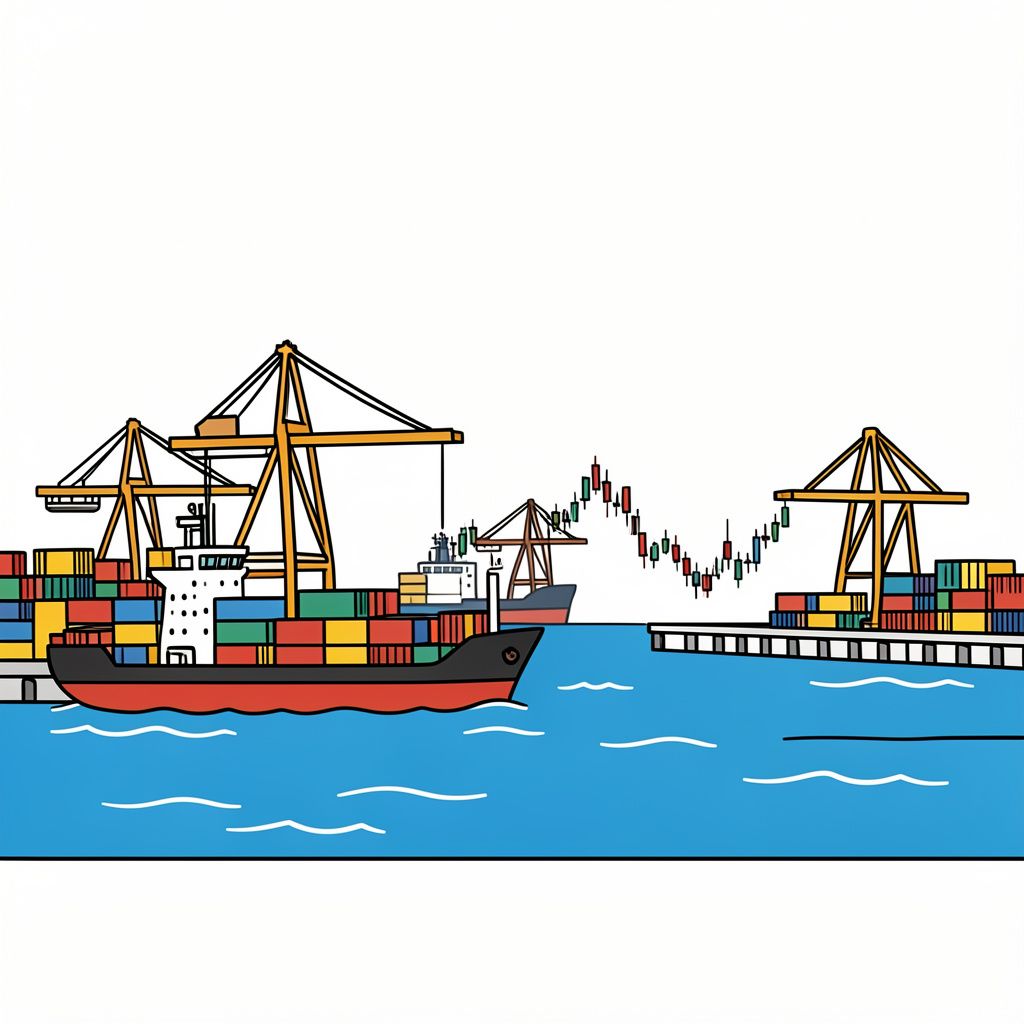
Port Mansfield’s integration into Foreign Trade Zone 12 enables local businesses to defer or eliminate import tariffs, unlocking over 600 hectares of upland for duty-free international trade and manufacturing.
Strategic Integration Boosts South Texas Economic Outlook
The Port of Port Mansfield officially joined Foreign Trade Zone (FTZ) No. 12 on October 29, 2026, as confirmed by the Willacy County Navigation District (WCND), marking a transformative milestone for regional trade infrastructure [1]. This integration enables businesses operating within the port’s service area to defer, reduce, or eliminate U.S. customs duties on imported goods until they enter domestic commerce, a strategic advantage designed to stimulate industrial investment and enhance competitiveness [5]. The move aligns with broader efforts to position South Texas as a critical hub for international trade, leveraging its proximity to Mexico and the Gulf of Mexico [GPT]. County Judge Aurelio Guerra emphasized the significance of the designation, stating that it places Willacy County in a stronger position to ‘attract international trade, encourage investment, and job creation for our residents’ [1].
Unlocking Duty-Free Trade Opportunities
The FTZ designation confers several key benefits to eligible businesses. Duty deferral allows companies to postpone customs payments until goods are sold domestically, while re-exports are entirely exempt from duties [5]. Additionally, inventory held for export is exempt from state and local ad valorem taxes, and manufacturers benefit from inverted-tariff relief, which reduces costs on imported components used in exported products [5]. These advantages are particularly impactful for industries such as manufacturing, logistics, and maritime trade, which are poised to capitalize on the port’s expanded capabilities. The integration also unlocks over 600 hectares (1,500 acres) of leasable upland controlled by the WCND, providing ample space for new industrial and commercial developments [1].
Regional Growth Synergies with Neighboring Ports
The Port of Port Mansfield’s integration into FTZ No. 12 complements the robust growth trajectories of neighboring ports in the Rio Grande Valley. For instance, the Port of Brownsville increased its cargo volume from approximately 13.9 million tons in 2021 to a sustained 28 million tons by 2026, supported by a 52-foot-deep ship channel and over $30 billion in pipeline projects, including the Rio Grande LNG terminal [1]. Similarly, the Port of Harlingen has expanded by more than 200% since 2017, driven by trade with Mexico, and is investing nearly $12.5 million in dock rehabilitation and navigation improvements [1]. These developments underscore the region’s emergence as a dynamic corridor for international trade, with Port Mansfield now positioned to capture a larger share of industrial activity [GPT].
Infrastructure Investments Pave the Way for Future Expansion
The Port of Port Mansfield has undergone significant infrastructure upgrades to support its new FTZ designation. The navigation channel has been restored to a depth of approximately 17 feet, while a new seawall and commercial staging dock provide 380 to 400 feet of berth space [1]. These improvements were facilitated by partnerships between the Texas Department of Transportation Maritime Division and local stakeholders, ensuring the port’s readiness to handle increased cargo volumes [1]. Local leadership has also prioritized transparency and tenant matching to ensure the port’s strengths align with market demand, with ongoing efforts to measure success through commercial activity metrics [1]. As the region continues to attract investment, the port’s integration into FTZ No. 12 is expected to serve as a catalyst for long-term economic resilience and job creation [GPT].
Broader Implications for U.S. Foreign Trade Zones
The integration of Port Mansfield into FTZ No. 12 occurs against a backdrop of evolving global trade dynamics, including the African Growth and Opportunity Act (AGOA) deadline for South Africa, which could impact Africa’s export zones if the U.S. issues a required notice by January 1, 2027 [4]. Closer to home, the FTZ program’s benefits are increasingly recognized as tools for economic development, with initiatives like the Global Alliance of Special Economic Zones (GASEZ) working group advocating for greener and more sustainable trade zones [2]. While these developments highlight the global competitiveness of U.S. FTZs, the Port of Port Mansfield’s integration stands out as a localized yet strategic move to bolster South Texas’ role in international supply chains [GPT].