Iran Faces Critical Power Vacuum After Supreme Leader Khamenei’s Death
Tehran, Sunday, 1 March 2026.
With no designated heir following Ebrahim Raisi’s 2024 death, a potential military takeover by the Revolutionary Guard now threatens to destabilize global energy markets.
End of an Era: Khamenei’s Death Confirmed
Following our previous report on joint US-Israel strikes targeting Tehran’s missile sites and the urgent transfer of the Supreme Leader to a secure location [1], the geopolitical landscape of the Middle East has shifted irrevocably. Israeli officials have now confirmed that Ayatollah Ali Khamenei, the longest-serving head of state in the region, died on February 27, 2026 [3]. His death concludes a 37 year tenure that began in 1989, marking the end of a defined era of Iranian theocratic rule [3]. While former U.S. President Donald Trump prematurely declared on February 22 via Truth Social that Khamenei had been killed [2], the official confirmation of his passing on February 27 [3] has triggered immediate volatility in regional markets and heightened anxiety regarding the succession process.
The Succession Crisis and Military Influence
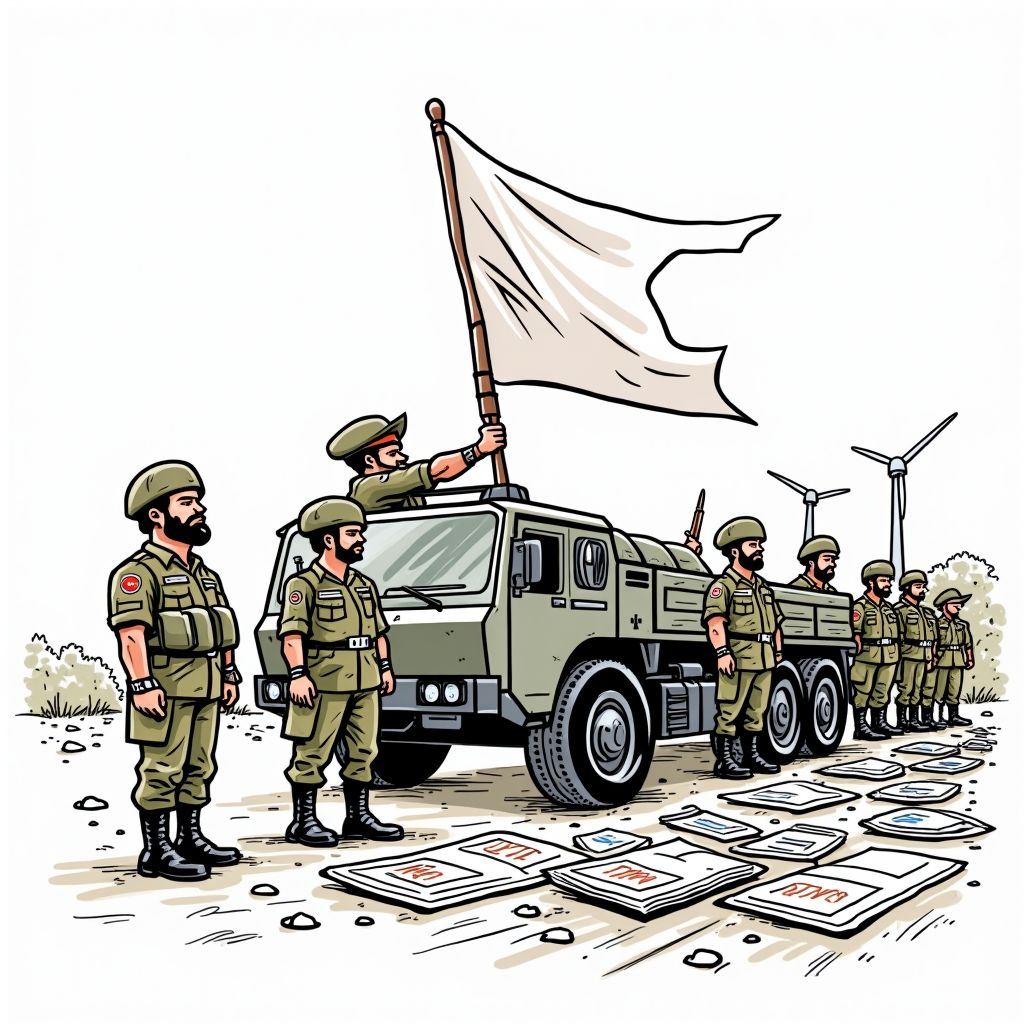
The death of the 86-year-old leader creates a precarious power vacuum, exacerbated by the death of former frontrunner Ebrahim Raisi in 2024. While Khamenei reportedly selected three potential candidates during the conflict in June 2025, their identities remain a closely guarded secret [2]. Speculation centers on his son, Mojtaba Khamenei, as a likely successor [2], yet the lack of a transparent transition plan leaves the door open for the Islamic Revolutionary Guard Corps (IRGC) to consolidate absolute power. Analysts warn that absent a clear religious transition, the IRGC could step in to fill the void, potentially transforming the Islamic Republic into a military dictatorship to ensure the regime’s survival against significant domestic and foreign pressure [2].
Opposition Mobilizes Amidst Uncertainty
As the regime grapples with this internal crisis, external opposition figures and international actors are moving to capitalize on the instability. Reza Pahlavi, the US-based son of Iran’s last shah, issued a statement shortly after the strikes began, asserting that the regime is collapsing and telling the Iranian people that “the time to return to the streets is approaching” [2]. Concurrently, Donald Trump has urged Iranian citizens to seize the opportunity to take over the government, suggesting a scenario where the IRGC and police might merge with “Iranian Patriots” [2]. However, experts like Behnam Ben Taleblu note that a post-Khamenei Iran does not necessarily guarantee the end of the Islamic Republic, as the system has historically weathered severe pressure [2].
Market Implications and Future Outlook
For global markets, the primary concern remains the stability of energy supply chains through the Strait of Hormuz. A complete takeover by IRGC generals would likely result in the persistence of severe repression within Iran [2], potentially leading to prolonged civil unrest or further military escalation with Israel and the United States. With U.S. Senator Marco Rubio acknowledging as recently as January 2026 that “no one knows who would take over” [2], investors must brace for a period of opaque maneuvering within Tehran. The transition from Khamenei’s ideological leadership to a potentially more militarized junta presents a new, volatile variable for oil markets and regional security architectures.