Agriculture Secretary’s $3 Meal Plan Sparks Backlash Amid High Grocery Inflation
Washington, Friday, 16 January 2026.
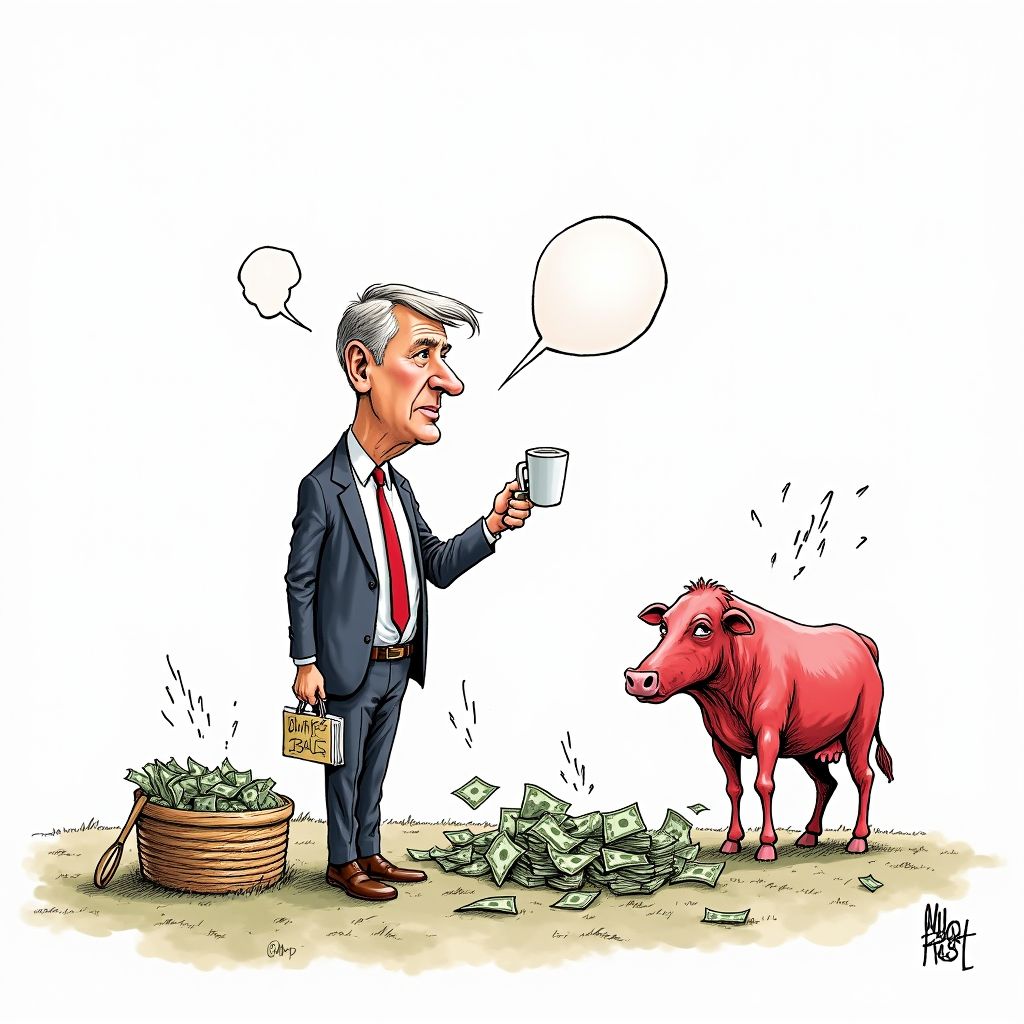
Secretary Rollins’ suggestion of a $3 “simulated” meal drew sharp rebuke as specific grocery costs, like ground beef, surged 15.5 percent despite stabilizing broader inflation.
Algorithmic Efficiency vs. Kitchen Table Reality
In a televised appearance earlier this month, Secretary Rollins defended the feasibility of the administration’s nutritional advice by citing data-driven analysis. She stated that the USDA had run ‘over 1,000 simulations’ to conclude that a healthy dinner could cost approximately $3 per person [1][3]. The specific composition of this meal—identified by Rollins as ‘a piece of chicken, a piece of broccoli, corn tortilla and one other thing’—was intended to align with the White House’s revamped dietary guidelines [1][2]. These new standards prioritize protein, dairy, and healthy fats while recommending a reduction in whole grain consumption [1][3]. However, the stark simplicity of the proposed menu has drawn immediate skepticism regarding both its nutritional sufficiency and its realistic pricing in the current economic climate [2].
Inflationary Pressures on Protein
The economic data for December 2025 complicates the Secretary’s assertion that such a diet is affordable for the average American household. While the broader inflation rate has stabilized at 2.7 percent, grocery prices have remained elevated, with significant price hikes affecting the very proteins the administration is promoting [1][3]. Market analysis reveals that year-on-year costs for uncooked ground beef have surged by 15.5 percent, while frozen fish and seafood prices have risen by 8.6 percent [1][3]. This divergence between top-line inflation figures and specific food costs underscores the financial strain on consumers attempting to follow the new protein-heavy guidelines [2].
Political Fallout and the ‘Depression Meal’
The backlash to Rollins’ comments has been swift, with Democratic critics and social media users branding the suggestion a ‘depression meal’ due to its perceived austerity [1][3]. Chasten Buttigieg, husband of former Transportation Secretary Pete Buttigieg, sharply criticized the administration’s priorities, contrasting the austere meal plan with ‘private jets and tax breaks’ for the wealthy [1][2]. Furthermore, Representative Ted Lieu (D-Calif.) directly attributed the high cost of food to the administration’s trade policies. Lieu argued that ‘due to Trump’s tariffs, last month was the largest spike in grocery prices in three years,’ and mocked the Secretary’s suggestion by posting a photo of the meal accompanied by a single red M&M [2].
Socio-Economic Blind Spots
Beyond the political theater, health experts argue that the administration’s simulation-based approach neglects the logistical realities facing low-income Americans. Experts Lauren Ball and Emily Burch highlighted that the guidelines overlook critical socio-economic factors, noting that access to affordable, healthy food is often restricted in rural areas and low-income communities [1][3]. They emphasized that for many workers with ‘long and unpredictable hours,’ the theoretical affordability of a home-cooked meal does not account for the barriers of time and accessibility [3].