US Forces Strike Iranian Missile Launchers Near Strategic Energy Shipping Route
Bandar Abbas, Sunday, 30 August 2026.
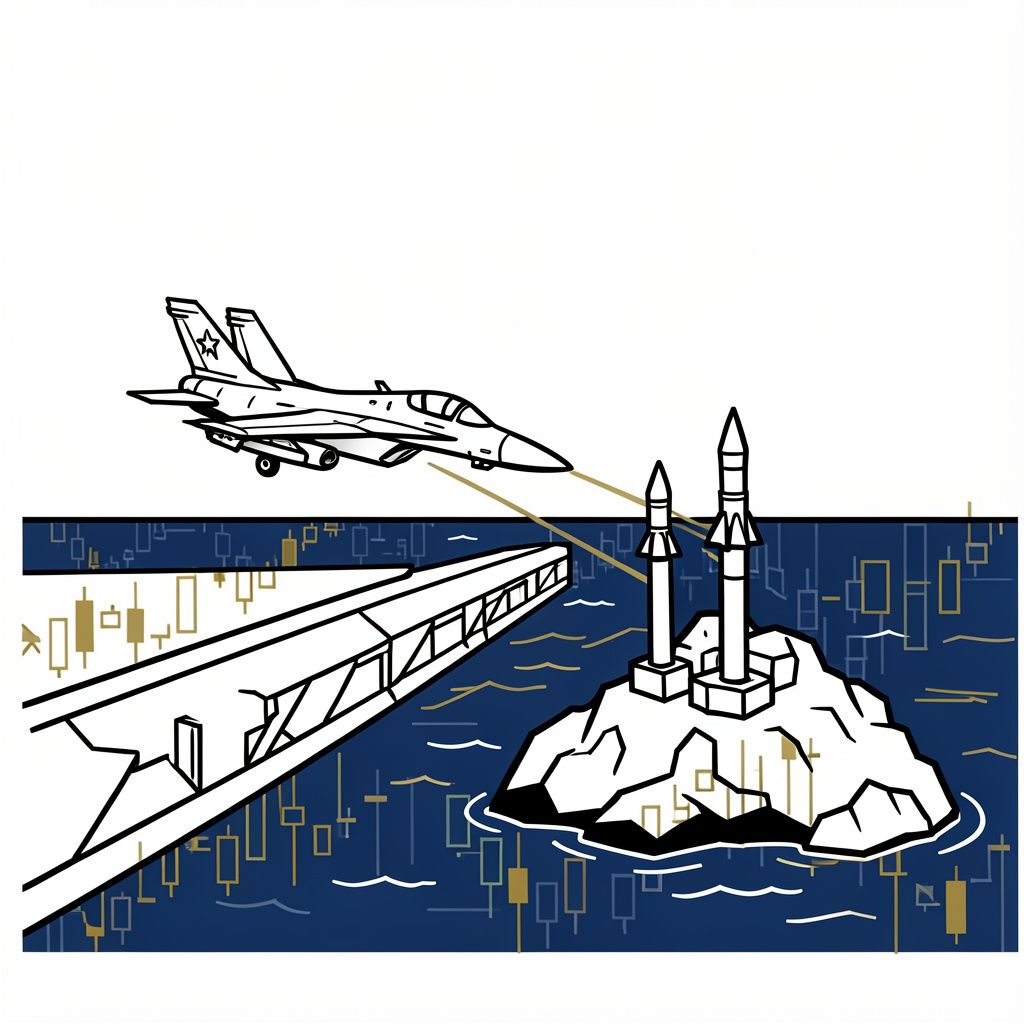
On Sunday, US military forces struck two Iranian missile launchers on Larak Island after observing preparations to launch sea mines into the critical Strait of Hormuz oil transit channel.
US Military Action on Larak Island
On Sunday, 30 August 2026, United States forces executed targeted military strikes against two Iranian missile launchers stationed on Larak Island in Iran’s Hormozgan Province [1][2]. The operation was confirmed by U.S. officials who stated that Revolutionary Guard forces were observed preparing to launch rockets carrying sea mines toward the Strait of Hormuz [1][3]. This engagement marks the first U.S. military strikes in the region in over a month, signaling a significant escalation in tensions surrounding the vital maritime choke point [2][3]. Residents near the island reported hearing explosions coinciding with the timeframe of the military action, corroborating official accounts of the event [2].
Diplomatic Context and Previous Offers
This military action follows a period of diplomatic maneuvering, including a previous U.S. proposal to lift economic sanctions and end naval blockades contingent upon Iran reopening the Strait of Hormuz [4]. Despite earlier offers of sanctions relief intended to secure the waterway, the situation has deteriorated into direct military intervention [4]. The strategic island lies directly in the Strait of Hormuz, a critical route responsible for the transit of roughly twenty percent of the world’s petroleum supply [GPT]. The failure of diplomatic off-ramps has now given way to kinetic responses aimed at preventing further obstruction of international shipping lanes [2][3].
Mine Clearance and Maritime Security
U.S. Central Command had completed clearing sea mines from the waterway’s international shipping routes just last week, according to administration statements [3]. President Donald Trump had previously warned that any vessel placing new mines would be immediately and systematically destroyed, setting a clear red line for Iranian naval activities [2]. The observed preparation of rockets with sea mines by Iranian forces directly contravened these warnings, prompting the targeted strikes on the launchers to protect the free flow of commerce [2][3]. U.S. forces remain positioned to monitor the area closely following the neutralization of the launchers [2].
Regional Response and Strategic Stakes
In response to the attack, Iran’s Islamic Revolutionary Guard Corps vowed retaliation, describing the event as an aggressive act by a US-Zionist enemy [2][3]. The IRGC stated that the action would be answered by the children of Islamic Iran, resulting in the punishment of the aggressor, though no specific timeline for retaliation was provided [2]. This exchange significantly raises geopolitical risk premiums for global energy shipping and marine insurance rates given the location’s importance [GPT]. International observers are now monitoring the situation for any follow-on attacks that could further disrupt global energy markets [1][3].