Misidentification Drives Deadly Surge in California Mushroom Poisonings
Los Angeles, Monday, 9 February 2026.
Cases have skyrocketed from a typical five to nearly 40 this season, with four deaths linked to foragers mistaking toxic Death Caps for edible mushrooms from their home countries.
An Unprecedented Public Health Anomaly
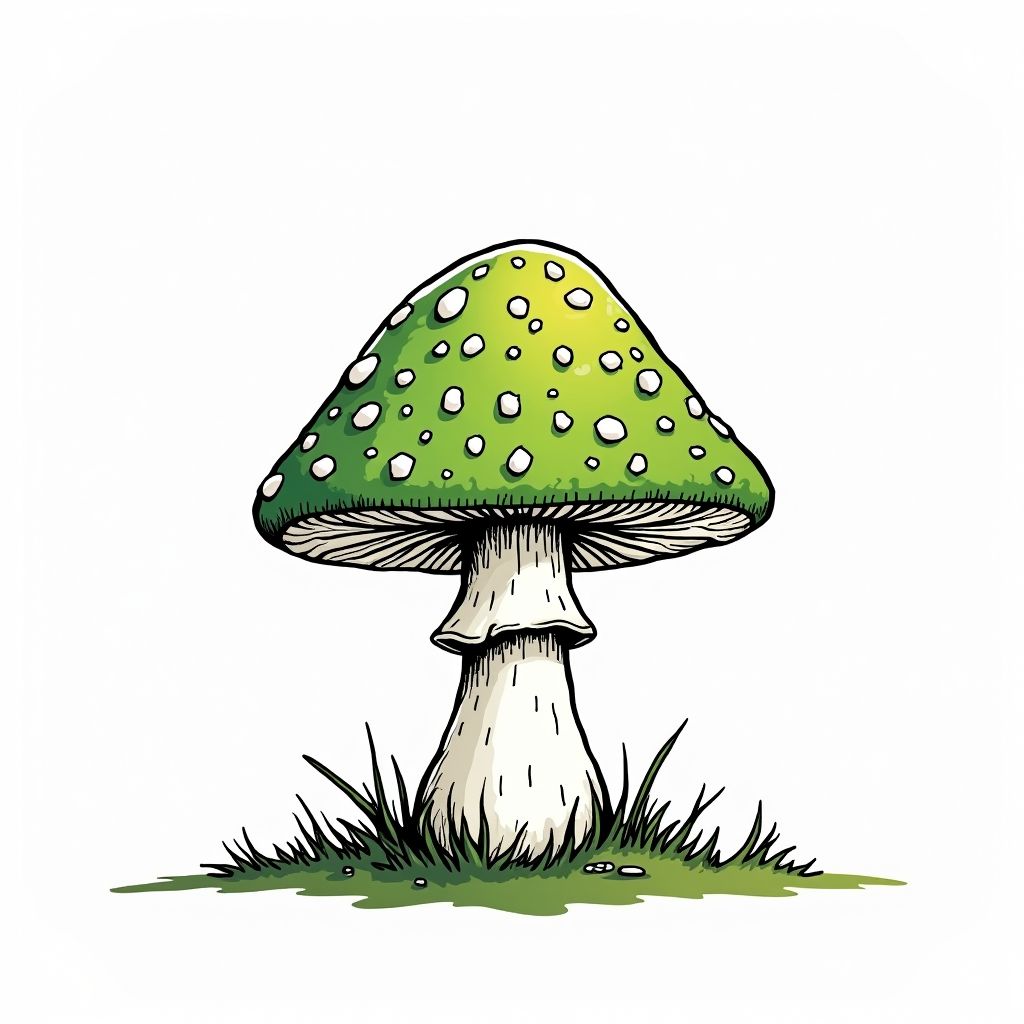
California public health officials are currently navigating a severe biological hazard event that deviates significantly from historical trends. As of February 8, 2026, the state has recorded a disturbing surge in mushroom poisoning cases, primarily driven by the proliferation of the Amanita phalloides, commonly known as the death cap [1][3]. While the California Poison Control Center typically handles between two and five such cases in a standard year, reports indicate that 39 illnesses have been confirmed between November 18, 2025, and January 18, 2026 alone [1][2]. This represents a dramatic escalation, with the current caseload exceeding the typical annual maximum by 680 percent. The outbreak has resulted in four fatalities and necessitated liver transplants for three individuals due to the irreversible organ damage caused by amatoxins, the potent compounds found in death caps [1][2][5].
A Deadly Case of Mistaken Identity
The demographic analysis of this outbreak reveals a critical gap in ecological literacy among specific communities, rather than reckless recreational behavior. Data indicates that 60% of those affected in this recent surge speak Spanish as their primary language, with victims also including speakers of Mixteco, Mandarin Chinese, Russian, and Ukrainian [1][3]. The core issue appears to be misidentification; foragers are confusing the toxic California death cap with edible fungi varieties native to their home regions, such as those found in Oaxaca, Mexico [2][5]. In one tragic instance reported on January 27, 2026, a 60-year-old man in Contra Costa County died after consuming wild mushrooms he believed were an edible species familiar to him [1]. Similarly, Laura Marcelino, a 36-year-old seasonal farmworker, was hospitalized for five days, and her husband required a liver transplant after they consumed foraged mushrooms in Salinas, mistakenly believing them to be safe [2][6].
Escalating Exposure and Clinical Reality
The scope of the issue extends beyond the death cap specifically, reflecting a broader trend in mushroom-related inquiries. Between September 2025 and January 2026, U.S. Poison Centers managed 2,315 mushroom exposure cases, marking a 40% increase compared to the same period in the previous year [6]. The clinical consequences of these ingestions are severe and rapid; symptoms such as abdominal cramping, vomiting, and diarrhea typically manifest within 24 hours, often progressing to life-threatening liver failure within two to three days [2][6]. The victims in the current outbreak range in age from 19 months to 67 years, highlighting that the risk spans all age groups, though the primary vector remains the consumption of foraged wild fungi [3][7].
Strategic Response and Education Initiatives
In response to this escalating crisis, state and local agencies are deploying a targeted educational strategy to bridge the information gap. The California Department of Public Health issued an urgent warning against foraging on February 6, 2026 [6]. Moving beyond general warnings, the San Francisco Mycological Society is collaborating with health officials to install multilingual warning signs equipped with QR codes in recreational areas to provide immediate, accessible information to diverse populations [1]. Looking ahead, the state has scheduled the release of public service announcements starting tomorrow, February 10, 2026, followed by community workshops set to begin on February 17, 2026 [3]. These measures aim to curb the exposure rate by explicitly teaching foragers to distinguish between the lethal death cap—which is abundant in Northern California and the Central Coast—and safe, edible varieties [2][3].
Sources
- www.latimes.com
- www.pbs.org
- www.nytimes.com
- www.facebook.com
- www.coasttv.com
- www.the-independent.com
- www.instagram.com