Western Nations Push China to Revalue Currency as Trade Surplus Soars
Beijing, Tuesday, 15 September 2026.
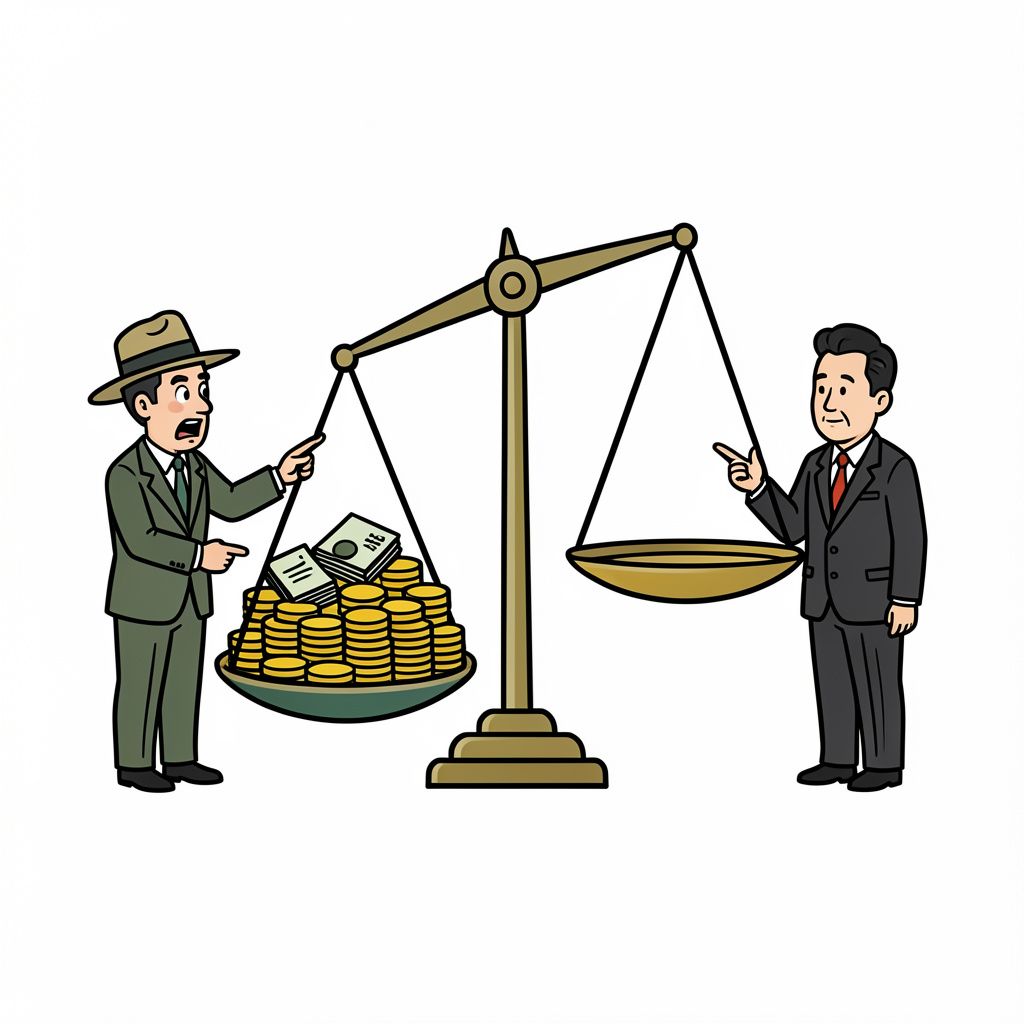
With China’s trade surplus heading toward 1.2 trillion dollars and its currency 20 percent undervalued, Western nations are pushing for coordinated monetary action to address escalating global economic imbalances.
G20 Impasse in Asheville
Diplomatic efforts to address global trade imbalances faced a significant hurdle during the G20 finance ministers’ meeting held in Asheville, North Carolina, on 31 August 2026 [1]. Negotiations regarding China’s “non-market policies,” industrial subsidies, and excessive exports failed to produce a joint communiqué due to opposition from Beijing [1]. While all 19 other members, including Russia, reportedly supported the proposed language criticizing these practices, the lack of consensus highlights the complexity of enforcing economic coordination in the current geopolitical landscape [1]. As of 14 September 2026, the exchange rate remains not a primary topic in formal China-US negotiations, though pressure persists for Beijing to address its trade surplus and export reliance [1].
Surging Trade Surplus Data
Recent economic data underscores the scale of the imbalance driving these tensions. In August 2026, China’s exports increased by 25% year-on-year, resulting in a monthly trade surplus of US$119.1 billion [3]. Cumulative year-to-date trade surplus reached approximately US$805 billion as of August 2026, putting the nation on track to potentially exceed the 2025 total of US$1.2 trillion [3]. Based on the previous year’s total, the current year-to-date surplus represents 67.083 of the 2025 full-year record, indicating an accelerating trend in export performance [3]. This surge is partially attributed to a low base effect from the 2025 trade war, with exports to the U.S. specifically rising by 34.3% year-on-year [3].
Divergent Policy Responses
Western responses to the imbalance vary significantly in tone and strategy. In June 2026, German Chancellor Friedrich Merz advocated for a new Plaza Accord, claiming the renminbi is undervalued by 30% [1]. Conversely, US Treasury Secretary Scott Bessent explicitly opposes a new Plaza Accord, arguing that renminbi appreciation alone cannot resolve global imbalances [1]. Bessent emphasizes that the focus should remain on structural issues like domestic consumption and industrial subsidies, stating that “the world cannot have a China with a US$1.2 trillion trade surplus” [1]. Some analysts suggest that a currency accord enforced with tariffs might be the only mechanism to compel action, reflecting the depth of the policy deadlock [1].
Future Outlook and Sustainability
Economic experts warn that current trade imbalances in the US$20 trillion global economy are unsustainable indefinitely [3]. The Chinese renminbi is estimated to be approximately 20% undervalued on a trade-weighted basis, a factor contributing to weakened domestic consumer confidence [3]. Looking ahead, the United Kingdom is scheduled to host the G20 in 2027, raising the possibility of London orchestrating a new monetary accord to address these disparities [3]. Former UK Treasury minister Jim O’Neill notes that such large imbalances cannot be sustained indefinitely, though he cautions stakeholders to be careful what they wish for regarding forced adjustments [4]. Historical parallels are drawn to the 1980s, with some analysts questioning if the US risks repeating Japan’s Plaza Accord mistake through aggressive trade war tactics [5].