US Treasury Secretary Warns Traders Against Betting Against the Japanese Yen
Dallas, Wednesday, 9 September 2026.
US Treasury Secretary Scott Bessent warned currency speculators against betting against joint US-Japan yen interventions, citing his unique access to policy decisions at the Bank of Japan.
Treasury Secretary Issues Direct Warning to Currency Markets
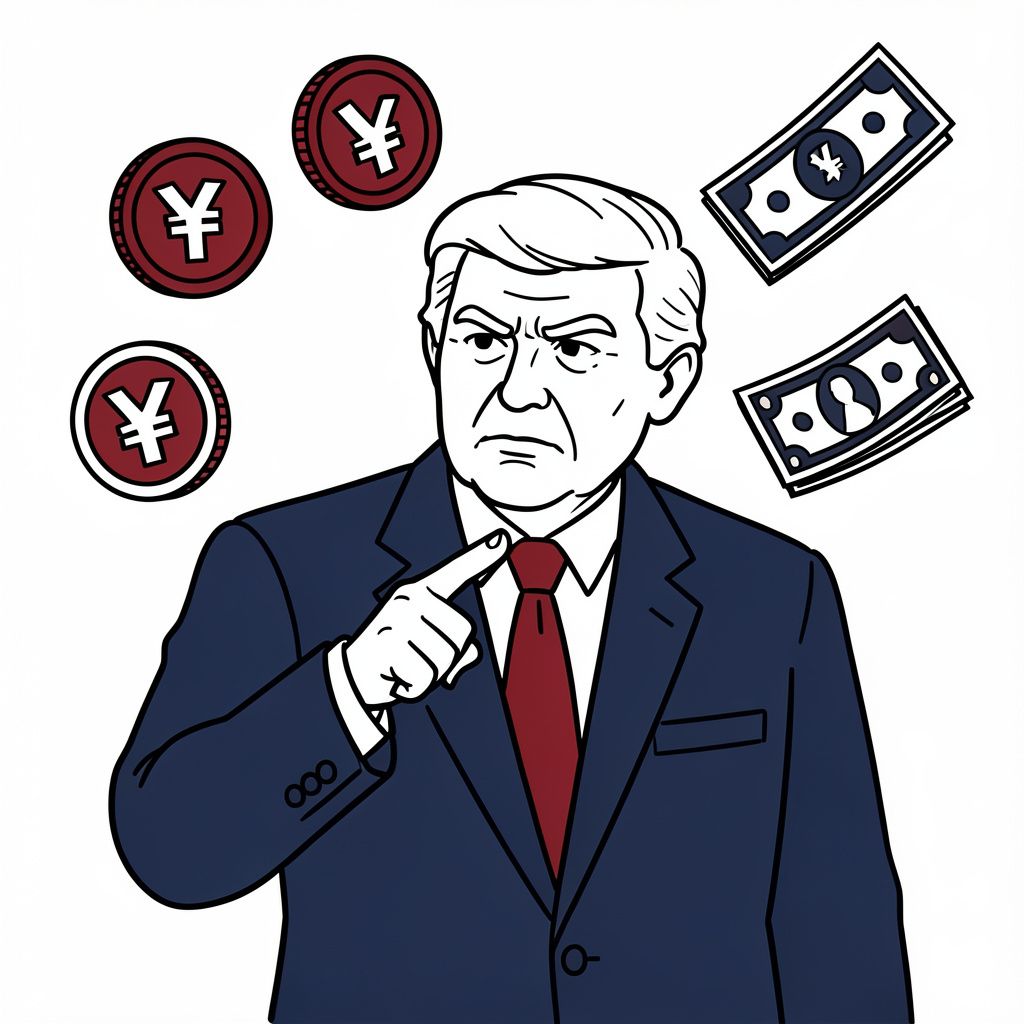
US Treasury Secretary Scott Bessent issued a stark warning to foreign exchange traders on Tuesday, September 8, 2026, cautioning against speculation on coordinated currency interventions between the United States and Japan [1][2]. Speaking at a Southern Methodist University event in Texas, Bessent emphasized his administration’s resolve to support the Japanese yen, stating explicitly, ‘I am the house now’ [3][5]. This declaration signals a shift in market expectations, suggesting that the Treasury possesses asymmetric information regarding future policy moves [4]. The statement serves as a deterrent to traders who might otherwise bet against the yen, leveraging the government’s unique position to influence market outcomes [6].
Insight into Bilateral Policy Coordination
Bessent’s confidence stems from close coordination with Japanese policymakers, granting him insight into Bank of Japan strategies before they become public knowledge [1][3]. He noted that when the US intervenes with the Japanese yen, he has ‘pretty good insight into what the Japanese, what the Bank of Japan is going to do’ [2][5]. This level of bilateral cooperation underscores the importance placed on currency stability by both nations amidst broader economic volatility [4]. Such coordination aims to prevent disorderly market conditions that could arise from excessive yen weakness or strength [6].
Historical Context and Recent Market Actions
This warning follows a rare joint intervention with Tokyo in July 2026 intended to support the Japanese currency [3]. More recently, on September 8, 2026, the US confirmed an unscheduled sale of euros to purchase Japanese yen, aimed at stabilizing the currency and preventing Japanese authorities from selling US Treasury bonds [5]. These actions highlight the active role the Treasury is willing to take in currency markets, contrasting with periods of strategic ambiguity in previous administrations [4]. The move also reflects concerns over broader economic stability, including impacts on US stocks and bond yields [5].
Implications for Global Economic Stability
The Treasury Secretary’s comments carry significant weight for global financial markets, particularly given current tensions such as escalated conflict in the Strait of Hormuz which pushed Brent crude oil prices past $100 per barrel on September 9, 2026 [5]. While the primary focus remains on currency stability, secondary implications for US stocks are being closely monitored by analysts [4]. Investors are advised to consider the reduced likelihood of successful speculation against official intervention strategies in the immediate future [6]. The timeline for these policies remains active as of Wednesday, September 9, 2026, with ongoing monitoring of market responses [1][2].