Securing America's Supply Chain: Expanding Precious Metal Storage Beyond New York
Washington, Thursday, 11 June 2026.
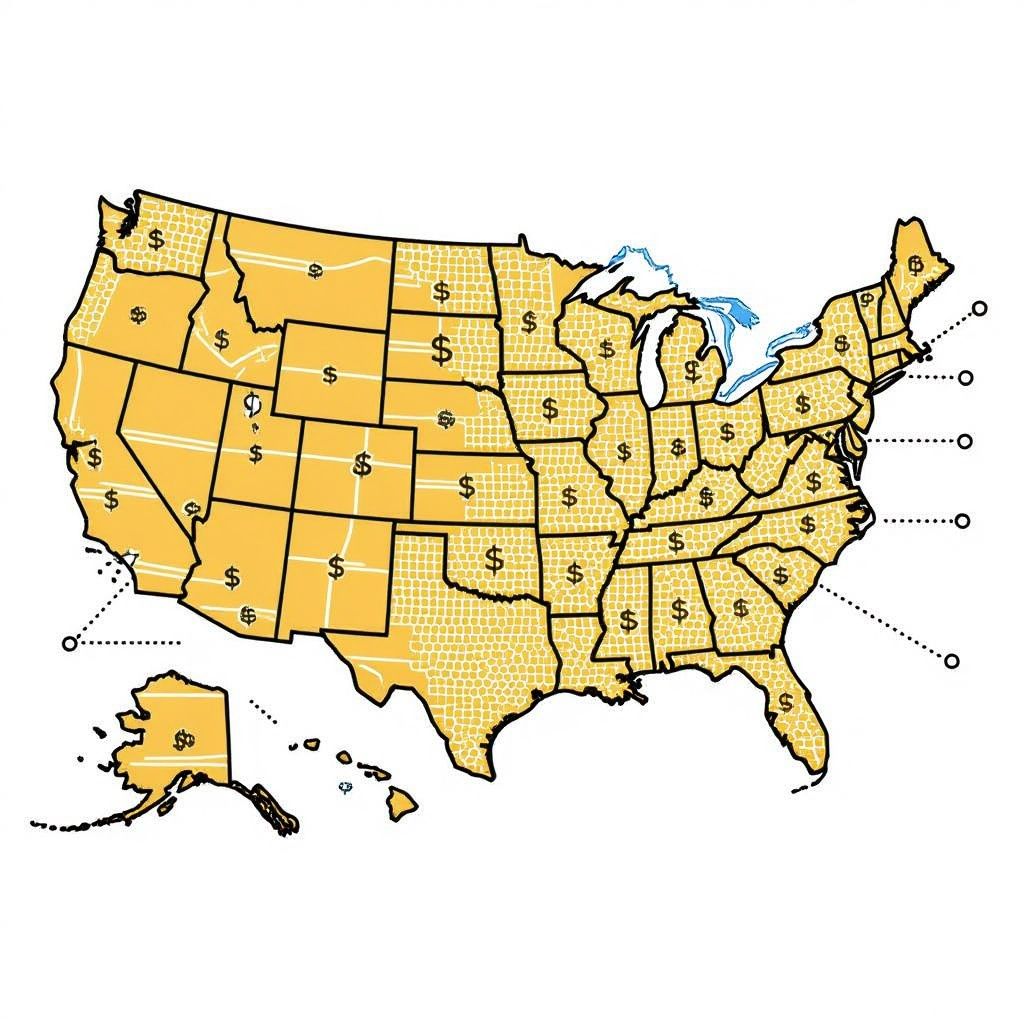
With U.S. precious metal vaults restricted to a 241-kilometer radius around New York City, an industry coalition is urging Congress today to decentralize this vulnerable national infrastructure.
The Push for the SILVER Act
On June 11, 2026, the Precious Metals Industry Coalition for Market Security and Access—a formidable alliance of over 40 entities including miners, refiners, depositories, and banks—delivered a formal letter to congressional leaders [1]. The coalition is fiercely advocating for the passage of the System Integrity through Licensed Vault Expansion & Resilience (SILVER) Act, formally designated as SB 4621 and H.R. 8007 [1]. This lobbying effort, which began gaining public momentum with appeals to congressional committees on June 10, 2026, seeks to address critical vulnerabilities in how the United States stores its strategic metal reserves [1].
Bipartisan Support and Legislative Intent
The SILVER Act is currently proposed legislation rather than implemented policy, but it boasts significant bipartisan backing in Washington [1]. The bill is sponsored in the Senate by James Risch (R-ID) and Catherine Cortez-Masto (D-NV), and in the House of Representatives by Mark Harris (R-NC), Russ Fulcher (R-ID), and Susie Lee (D-NV) [1]. Furthermore, the initiative has secured the crucial endorsement of Commodity Futures Trading Commission (CFTC) Chairman Michael Selig, signaling strong regulatory alignment with the proposed legislative intent to diversify the U.S. precious metals market storage infrastructure [1].
Broader Trends in Commodity Market Optimization
The push to modernize precious metals infrastructure aligns with broader strategic realignments occurring across the global commodities sector [GPT]. For instance, on June 10, 2026, discussions highlighted by Horizon Kinetics analyst James Davolos noted that major mining conglomerate Glencore is planning to separate its coal business [2]. This proposed restructuring is designed to transform Glencore into a cleaner, higher-multiple metals company, though investors may have to wait for the results [alert! ‘Exact timeline for Glencore coal separation remains unspecified’] [2]. This illustrates how both private corporations and industry coalitions are actively seeking to optimize their operational footprints and market valuations in the current economic landscape [2][GPT].