Assessing the Environmental and Economic Fallout of the Tennessee Plastics Plant Fire
Henry, Sunday, 10 May 2026.
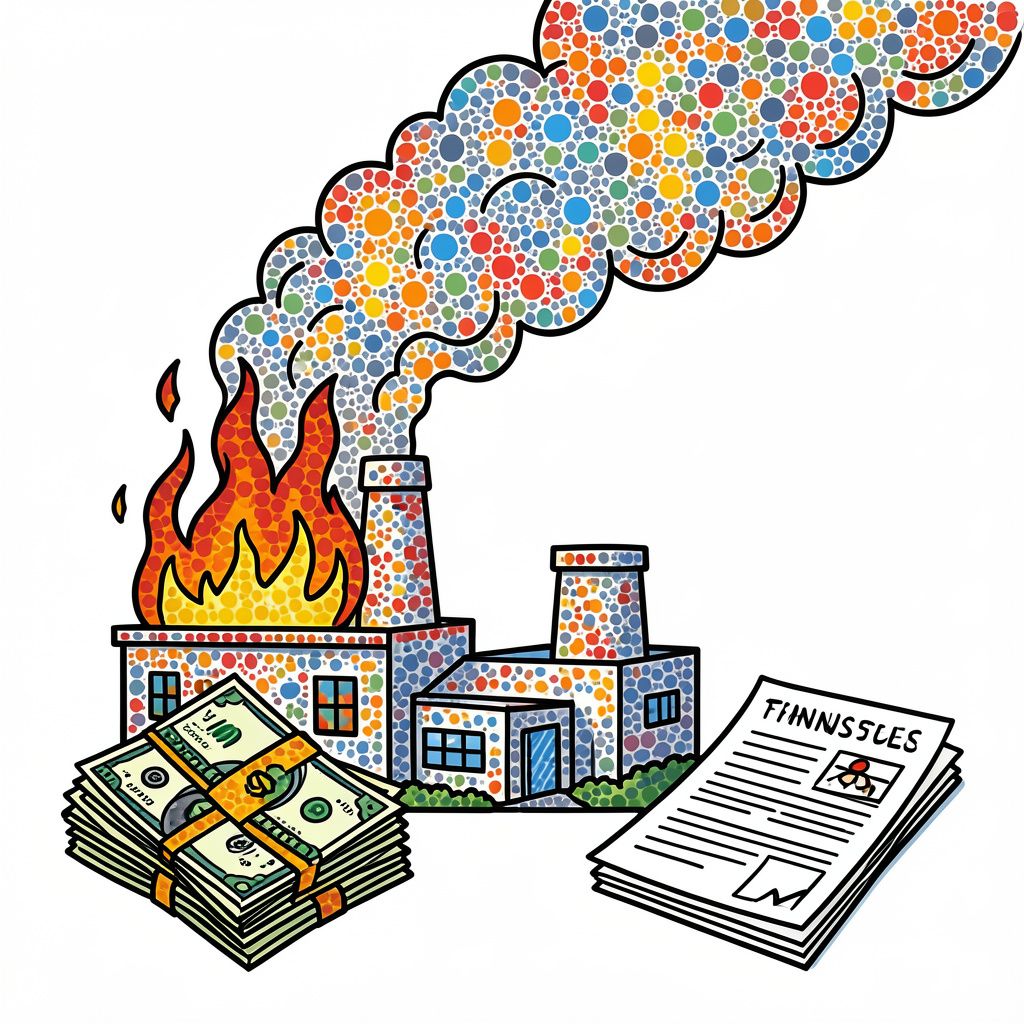
Friday’s massive blaze destroyed a Tennessee plastics plant. Despite a giant toxic plume prompting air quality warnings, the fully staffed facility miraculously reported zero injuries amid mounting economic fallout.
Operational Devastation at Sigma Renew 360
The crisis began on the morning of Friday, May 8, 2026, when emergency responders were dispatched at 11:50 a.m. local time to the Sigma Renew 360 compound [1]. The plant, operated by the Sigma Plastics Group, specializes in the manufacturing of plastic polyethylene pellets [1][3][4]. The situation quickly escalated into a two-alarm blaze that ultimately consumed three of the facility’s buildings [2]. Despite the severity of the inferno and the fact that the plant was fully staffed and operational at the time, authorities reported zero injuries as of Friday afternoon [2].
Environmental Hazards and Community Impact
Beyond the immediate structural damage, the fire posed acute environmental and public health risks. The combustion of polyethylene plastics generated a massive, dense black plume of smoke that was visible from the sky [3]. In response to the toxic emissions, the Henry County Sheriff’s Office issued a strict shelter-in-place order for residents in the immediate vicinity [3]. This directive was particularly aimed at protecting individuals with pre-existing respiratory conditions [3]. Emergency management officials concurrently warned that the smoke would continue to degrade local air quality for approximately 24 hours [1].
Broader Supply Chain Implications
The total destruction of the Sigma Renew 360 facility represents a notable disruption within the regional industrial plastics sector [GPT]. Henry County, located about two hours west of Nashville, Tennessee, serves as a strategic operational node for the Sigma Plastics Group [3]. Polyethylene pellets are a foundational raw material used across countless manufacturing supply chains globally, making localized disruptions a potential catalyst for broader material shortages [GPT]. As of the weekend following the fire, representatives for the Sigma Plastics Group had not provided public commentary regarding the financial damages or the timeline for potential reconstruction [3]. The incident serves as a stark reminder of the inherent volatility and risk profiles associated with industrial-scale plastic recycling operations [GPT].