Strategic Patience: How the New WNBA Labor Deal Vindicates Olivia Miles' Draft Delay
Fort Worth, Monday, 23 March 2026.
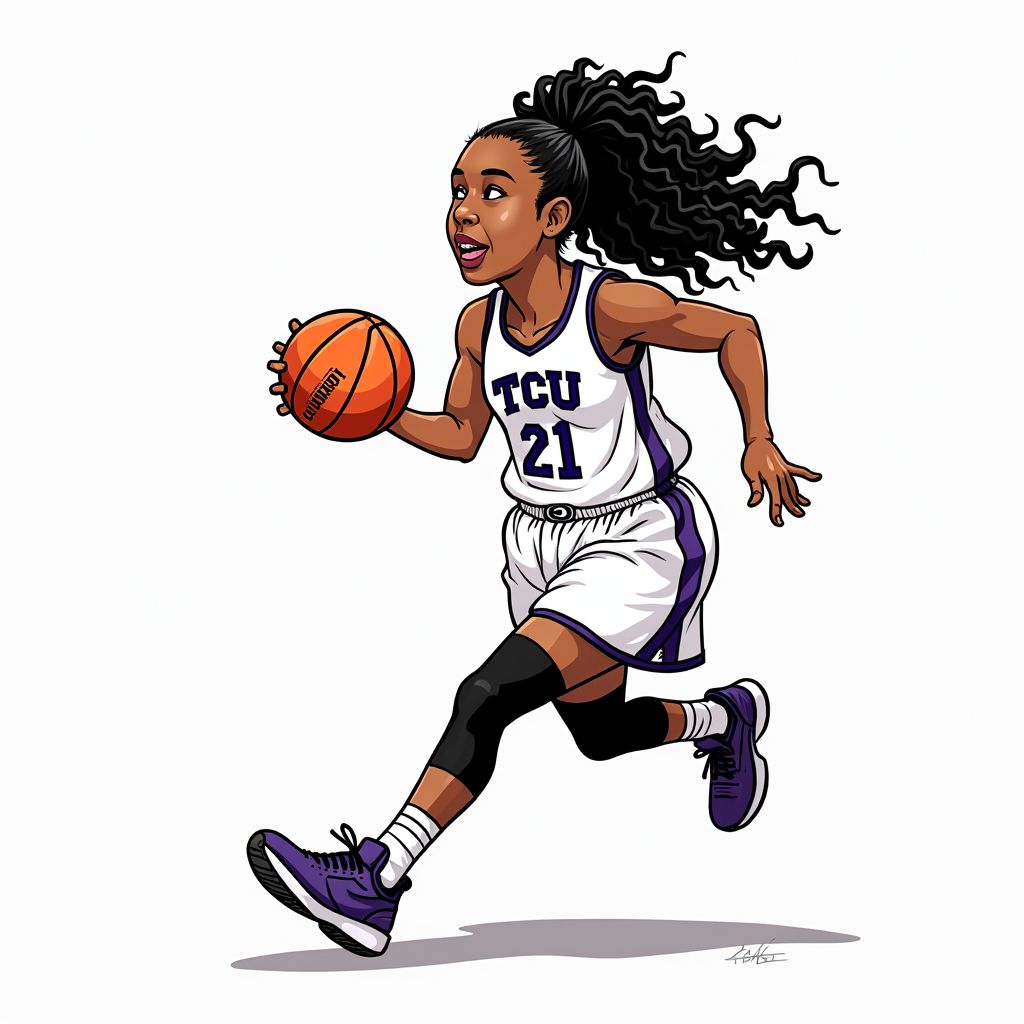
TCU’s Olivia Miles vindicated her decision to delay her professional debut, capitalizing on a historic 2026 WNBA labor agreement that boosts minimum rookie salaries to nearly $300,000.
The Gamble That Paid Off
When Olivia Miles bypassed the 2025 WNBA Draft to utilize a fifth year of college eligibility, the decision drew widespread scrutiny [3]. Critics questioned the wisdom of delaying a professional career, especially since the star guard was already projected as a top-three selection in 2025 [2]. Miles had missed the 2023-2024 season due to an ACL tear sustained in 2023, prompting her to enter the transfer portal and leave Notre Dame for TCU [1][2]. Reflecting on the outside noise, Miles acknowledged on Saturday, March 21, 2026, that leaving a guaranteed draft spot seemed foolish to some, recalling, “What I left on the table seemed stupid and seemed like, ‘What is she doing?’” [3].
A Radically Altered Financial Landscape
The true brilliance of Miles’ delayed entry lies in the transformed economics of professional women’s basketball [GPT]. Just as her collegiate career culminates, the WNBA and the Women’s National Basketball Players Association (WNBPA) have reached a historic seven-year Collective Bargaining Agreement that runs through 2032 [4][5]. The term sheet, formally signed in mid-March 2026 after more than a year of intense negotiations, fundamentally rewrites the league’s compensation structure [5][8]. The WNBA’s salary cap will experience a staggering expansion, leaping from $1.5 million in 2025 to $7.0 million for the 2026 season [4][8]—a massive increase of 366.667 percent.
Revenue Sharing and Long-Term Growth
Beyond immediate salary bumps, the new CBA introduces a comprehensive revenue-sharing model that promises to deliver over $1 billion in player salaries and benefits over the life of the agreement [4]. Players will now receive approximately 20 percent of league revenues, creating an unprecedented financial upside as the sport’s popularity continues to surge [7]. Average player salaries are projected to skyrocket by approximately five times [6], jumping from roughly $120,000 under the old system to $583,000 in 2026, with expectations that the average will exceed $1 million by the end of the deal in 2032 [5][6][8].
Setting a New Precedent for College Stars
The ripple effects of this labor victory are already shifting the calculations for elite collegiate athletes. The promise of lucrative professional contracts now rivals, and in many cases exceeds, the earning potential of college Name, Image, and Likeness (NIL) deals [GPT]. Fellow collegiate standout Flau’jae Johnson, projected as the No. 7 pick in the upcoming draft, bluntly summarized the mood among future draftees on March 21: “I’m glad they were able to come to an agreement. I’m fixing to get paid” [3].
Sources
- www.instagram.com
- sports.yahoo.com
- www.usatoday.com
- www.wnba.com
- sports.yahoo.com
- www.nytimes.com
- www.outkick.com
- www.sportico.com