Wage Garnishment Resumes for 5.5 Million Defaulted Student Loan Borrowers in 2026
Washington, Wednesday, 24 December 2025.
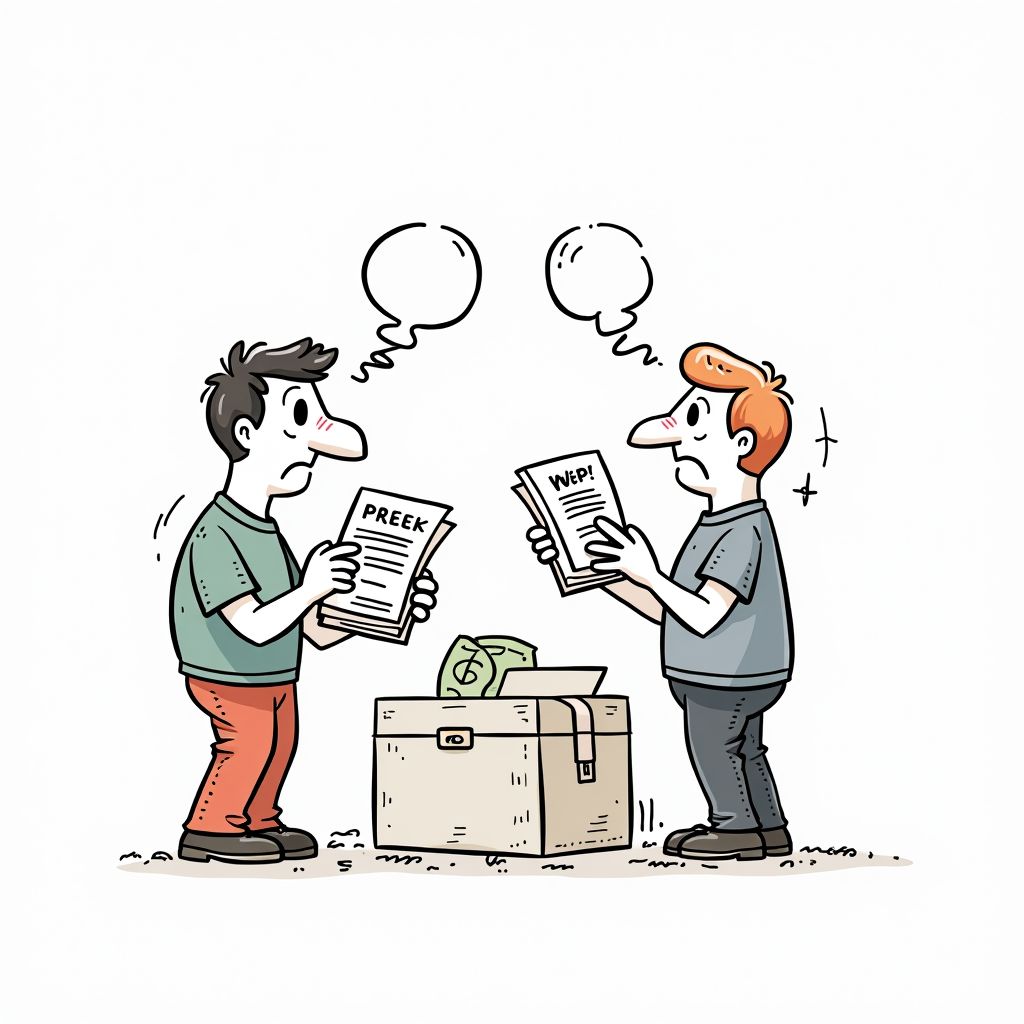
Effective January 2026, the Department of Education will end the five-year pandemic-era moratorium on involuntary collections, initiating wage garnishment for approximately 5.5 million student loan borrowers currently in default. The administration confirmed that notices will begin circulating the week of January 7, signaling a return to strict fiscal enforcement that allows the government to seize up to 15% of a borrower’s disposable pay. This policy shift targets a vulnerable demographic—data indicates that 1 in 4 federal borrowers are currently delinquent or in default. Analysts warn that this sudden reduction in disposable income, coinciding with anticipated healthcare cost increases, creates a compounded financial strain that is likely to dampen consumer spending throughout the first quarter.
Implementation Timeline and Scope
The Department of Education has clarified the timeline for this enforcement, stating that the first batch of wage garnishment notices will be sent to approximately 1,000 borrowers during the week of January 7, 2026 [1][2][3]. While this initial cohort is relatively small, department officials have indicated that the volume of notices will increase on a monthly basis throughout the year [1][4]. This phased approach marks the definitive end of the leniency period that began with the onset of the COVID-19 pandemic in March 2020, during which no federal student loans were referred for involuntary collection [1]. Under the confirmed protocols, the department is legally required to provide borrowers with a 30-day notice before any wages can be seized [1][2].
The Mechanics of Default
Under federal regulations, a borrower is considered in default once they have failed to make a payment for more than 270 days [1][2]. Once this threshold is crossed, the government holds broad powers to recoup the debt, including the seizure of tax refunds and Social Security benefits [2]. Most significantly for the workforce, the Department of Education can order employers to withhold up to 15% of a borrower’s disposable pay to satisfy the debt obligation [2]. This administrative wage garnishment does not require a court order, streamlining the process for the government to secure repayment from the estimated 5.5 million borrowers currently in default [2][4].
Economic Convergence and Market Strain
The timing of this policy enforcement has drawn sharp criticism from industry experts who point to a convergence of economic stressors. Betsy Mayotte, president of The Institute of Student Loan Advisors, notes that the resumption of garnishment in early 2026 will coincide with scheduled premium increases for Affordable Care Act (ACA) health insurance plans [2]. Mayotte warns that the simultaneous hit to income from wage garnishment and rising healthcare costs will place “significant economic strain on low and middle income borrowers” [2]. Persis Yu, deputy executive director for the Student Borrower Protection Center, characterized the administration’s decision as “cruel, unnecessary, and irresponsible” given the current landscape of stagnant wages [1].
Policy Reversal and Mitigation Options
The trajectory toward this enforcement began in May 2025, when the Trump administration formally ended the pandemic-era pause on collecting defaulted debt [1][4]. Although payments had technically restarted in October 2023, the previous Biden administration had implemented a one-year grace period to protect borrowers from the harshest consequences of missed payments [1]. That safety net has now been retracted. Education Secretary Linda McMahon had previously signaled this policy direction when the resumption of collections was first announced [4].