LeBron James Takes Legal Action Against Sports Betting App Over Digital Clone
Los Angeles, Saturday, 7 November 2026.
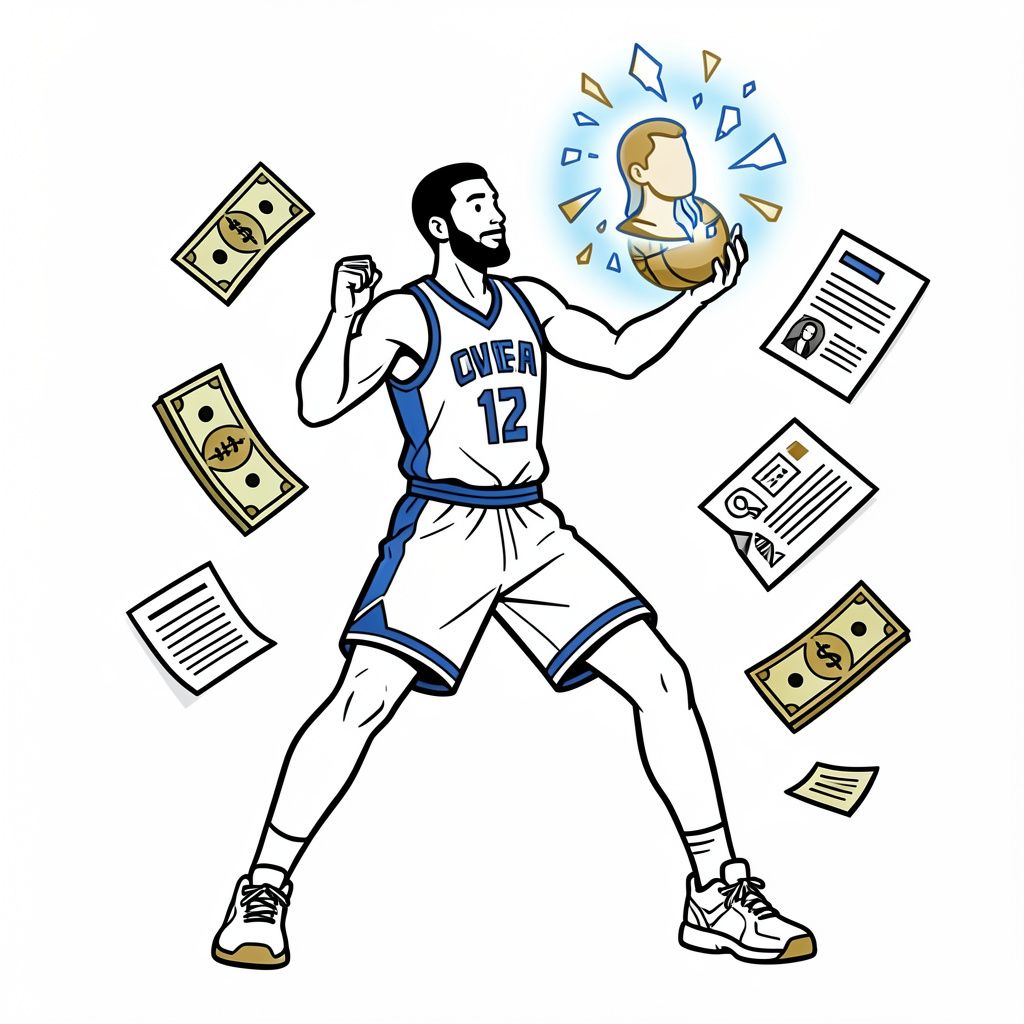
NBA star LeBron James issued a cease-and-desist order to startup Bron AI for unauthorized likeness use, exposing major legal risks for tech firms commercializing athlete identities in sports betting.
The Rise of AI in Sports Betting and Its Legal Pitfalls
The unauthorized use of NBA superstar LeBron James’ likeness by the sports betting platform Bron AI underscores the escalating tension between artificial intelligence innovation and intellectual property rights in the rapidly expanding digital gambling sector. The app, marketed as a ‘TikTok for sports betting,’ employed AI-generated content featuring a digital clone of James to promote its platform, drawing over 900,000 views on X/Twitter within 24 hours before being removed [1][3][4]. This incident highlights the growing trend of consumer AI startups leveraging celebrity and athlete brands to drive user engagement, often without explicit consent or compensation [alert! ‘timing of removal unclear across platforms’].
Legal Battle: Cease-and-Desist Demands and Broader Implications
On November 4, 2026, LeBron James and Dallas Mavericks star Luka Dončić jointly issued cease-and-desist letters to Bron AI, owned by PlayVision Inc., for the unauthorized use of their names, images, voices, and likenesses in promotional materials [1][3]. The letters, sent by law firm Grubman Shire Meiselas & Sacks PC, demanded the immediate cessation of the use of James’ nickname ‘Bron’ and his likeness in all branding and marketing efforts, as well as the removal of all associated content across platforms [1][5]. The legal action follows James’ exclusive endorsement deal with Polymarket, a prediction-market platform, which prohibits him from associating with unauthorized betting platforms [1][5]. The cease-and-desist letter also instructed Bron AI to notify all app users that James had no affiliation with the company and to provide details on total wagered amounts and revenue generated [5].
The Broader Context: AI, Publicity Rights, and Regulatory Gaps
This case is not isolated. In May 2026, an attorney for Oklahoma City Thunder star Shai Gilgeous-Alexander sent a cease-and-desist to Underdog for unauthorized likeness usage, while in July 2025, James’ legal team took action against Interlink AI over unauthorized AI-generated videos depicting him in a pregnant state [1][alert! ‘dates inferred from timeline’]. These incidents reflect broader concerns about the misuse of digital identities in an era where AI can generate hyper-realistic clones without consent. Rebecca Tushnet, a Harvard Law School professor specializing in intellectual property, noted, ‘This isn’t hard’—suggesting that the legal framework for addressing such violations is well-established but enforcement remains inconsistent [1]. Jesse Silvertown, an integrity diligence expert at Hesperus, described the situation as ‘floored,’ emphasizing the need for stronger regulatory oversight in the AI and sports betting sectors [1].
PlayVision Inc.: Company Profile and Market Position
Bron AI is operated by PlayVision Inc., a startup founded in 2025 and backed by Y Combinator, positioning itself at the intersection of AI-driven analytics and sports betting [1][3]. The app operates on a freemium model, offering a free download with the option for a $249.99 annual subscription or a $29.99 monthly fee [1]. CEO Anish Gupta responded to the legal action by sharing a video on social media, though the company has not publicly addressed the cease-and-desist demands as of November 7, 2026 [3]. The company’s rapid rise—amassing hundreds of thousands of views in a matter of hours—demonstrates the viral potential of AI-generated content in marketing, but also the significant legal and reputational risks of misusing celebrity identities [1][3][4].
The Stakes: Intellectual Property and the Future of AI in Sports
The legal confrontation between LeBron James and Bron AI serves as a cautionary tale for tech startups and sports betting platforms alike. With the global sports betting market projected to reach $155.4 billion by 2028, the commercialization of athlete identities through AI is poised to grow exponentially [GPT]. However, the James case illustrates the high costs of unauthorized use, including potential injunctions, monetary damages, and reputational harm [5]. As AI continues to blur the lines between innovation and exploitation, the sports and entertainment industries are increasingly turning to legal action to protect their brands. The outcome of this case could set a precedent for how AI-generated content is regulated in the sports betting and broader entertainment sectors, with significant implications for both creators and consumers [alert! ‘precedent implications speculative’].