California Legalizes Plug-In Solar Panels for Renters and Apartments
Sacramento, Thursday, 1 October 2026.
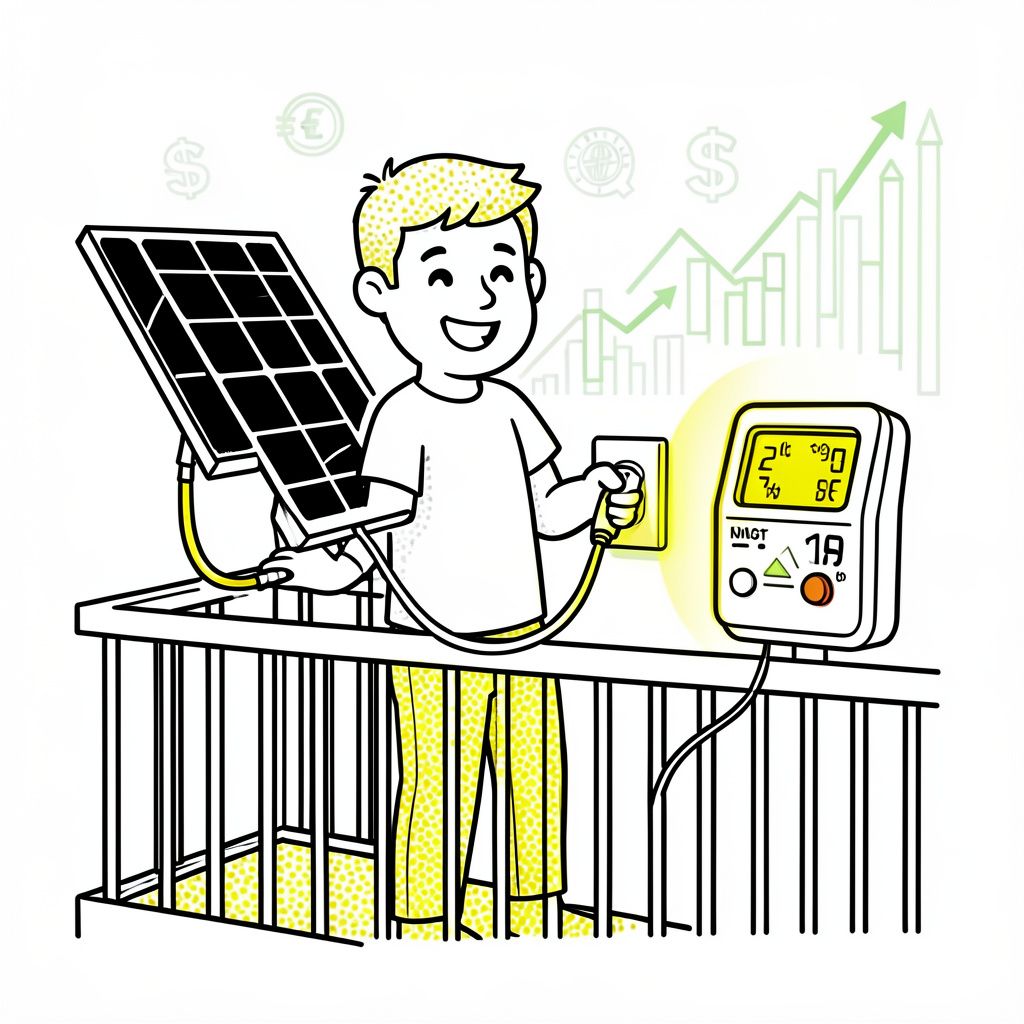
California has legalized plug-in balcony solar panels, allowing renters to cut electricity bills by up to 20% using a standard wall outlet without requiring complex utility approvals.
Legislative Shift in California Energy Policy
On September 30, 2026, Governor Gavin Newsom signed Senate Bill 868, known as the “Plug and Play Solar Act,” into law, fundamentally altering the residential energy landscape for renters and homeowners alike [3]. This legislation removes the requirement for utility interconnection agreements, allowing residents to install certified plug-in balcony solar systems without complex approvals [3][5]. As the 10th U.S. state to legalize this technology, California’s move is expected to double the size of the national market for balcony solar solutions [3]. The law aims to mitigate rising electricity costs, with proponents highlighting that small apartments could save up to $250 annually using a single 400-watt system [3]. Given the entry cost of approximately $500 for such a system, the simple payback period could be as short as 2 years under optimal conditions [3]. This legislative action follows a trend where twelve states have passed similar legislation over the past 18 months, signaling a broader shift in energy accessibility [4].
Market Availability and Economic Impact
While the law is now enacted, commercial availability of state-compliant units is projected for mid-2027 [1][6]. Industry experts indicate that manufacturers are currently developing systems that meet the new California standards, with certified models expected to reach shelves shortly after certification processes conclude in late 2026 [6]. The economic implications are significant; existing plug-in solar models range in price from $300 to $2,200 depending on size, creating a lucrative consumer market for clean-tech hardware manufacturers [1]. A single system can offset up to 20% of a home’s electricity needs, providing relief against energy prices that have nearly doubled in the last decade [1][3]. Furthermore, the legislation includes a sunset provision ending the interconnection exemption on January 1, 2030, creating a four-year window for the market to expand before policy reevaluation [3]. This timeline provides a clear regulatory horizon for investors and developers entering the space [3].
Safety Standards and Grid Integration
To ensure grid safety, the new law mandates that all systems must be certified by an outside safety organization, with Underwriters Laboratories (UL) currently offering the only existing certification framework in the U.S. [1][3]. Systems are capped at 1,200 watts per home and must include automatic shut-off functionality to prevent electricity feedback into the grid during outages [3][5]. This safety feature addresses utility concerns regarding line worker safety, leading organizations like Southern California Edison to shift to a neutral stance on the bill following the inclusion of device registration mandates [4][5]. However, challenges remain as the National Electric Code will not issue new revisions until 2029, leaving some industry experts to note that certain bills are slightly ahead of available product compliance [4]. Despite this, the certification program released in January 2026 outlines necessary proprietary connectors to prevent shock hazards [4].
Broader Economic and Environmental Context
The push for balcony solar correlates with a 55% statewide increase in extreme heat events, which has exacerbated energy demand for cooling [3]. California now joins other states like Utah, which enacted the first similar legislation in March 2025, in addressing these climate-driven economic pressures [3]. Internationally, Germany serves as a mature market model with over 4 million installed balcony solar systems, demonstrating the scalability of the technology [3]. Advocacy groups like Bright Saver aim to deploy 60 million balcony solar panels across the U.S. by 2035, suggesting long-term confidence in the sector’s growth [4]. As electricity costs remain a critical economic issue, this legislation provides a tool for consumers to gain energy independence while contributing to grid resilience [3][5].