Federal Agents Deploy Munitions on Minneapolis Family Amid Rising Civil Tensions
Minneapolis, Friday, 16 January 2026.
Tensions in Minneapolis surged after agents launched munitions into a van carrying six children, leaving an infant needing CPR, as the administration weighs invoking the Insurrection Act.
Escalation of Federal Tactics in the Twin Cities
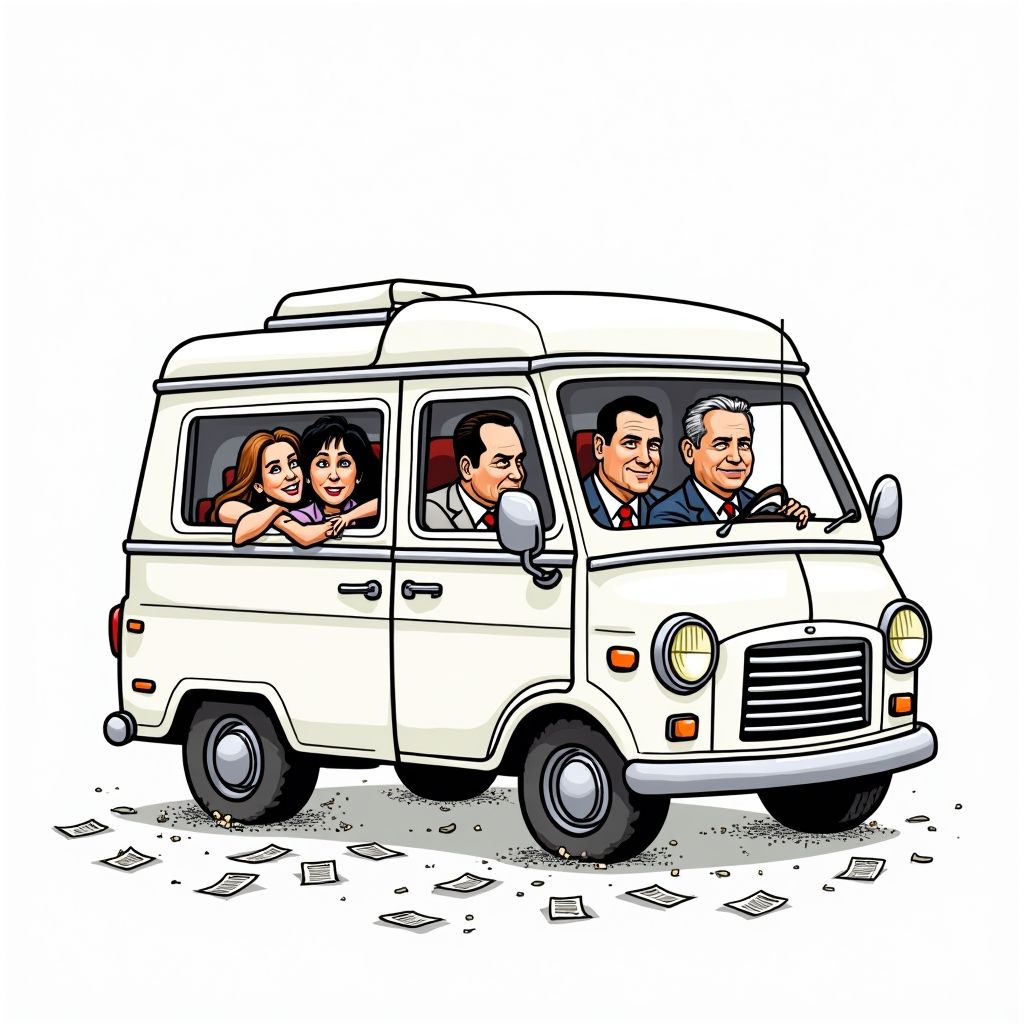
Following our previous report on the historic surge of federal agents into Minnesota [https://wsnext.com/c4b6930-Immigration-Enforcement-Border-Policy/], the situation on the ground has deteriorated significantly. On Wednesday, January 14, 2026, the tactical intensity of the federal operation reached a critical inflection point when agents allegedly deployed flash-bang munitions and tear gas into a family vehicle containing six children during a protest in Minneapolis [1]. The children’s father, Shawn Jackson, stated that the chemical agents caused his six-month-old infant to stop breathing, requiring the mother, Destiny Jackson, to perform CPR on the scene [1]. This incident occurred just one week after the fatal shooting of Renee Nicole Good by an Immigration and Customs Enforcement (ICE) agent, an event that originally sparked the current wave of civil unrest [1][8].
Operation Metro Surge: By the Numbers
The deployment, identified as “Operation Metro Surge,” has fundamentally altered the law enforcement landscape of Minneapolis [7]. Current data indicates that federal immigration officers in the city now total approximately 3,000 personnel, including agents from ICE, Border Patrol, and the Justice Department [7][8]. When contrasted with the city’s local force of 600 police officers, federal agents now outnumber local law enforcement by a factor of 5 to one [7]. This massive federal footprint has led to over 2,500 arrests in the Twin Cities since late November 2025, creating an environment that local residents describe as resembling an “invasion” [6][7].
Violent Confrontations and Legal Challenges
Beyond the deployment of munitions against civilians, the week has been marked by multiple violent encounters. On January 14, a federal officer shot Julio Cesar Sosa-Celis, a Venezuelan national, in the leg after he and two others allegedly attacked the officer with a snow shovel and broom handle [3][8]. The Department of Homeland Security (DHS) confirmed the shooting, noting that Sosa-Celis had been released into the U.S. in 2022 [8]. In a separate incident on January 13, video footage emerged of agents breaking the window of a vehicle and pulling a woman out as she screamed that she was autistic and disabled [5]. DHS officials defended these actions, stating the crowd was impeding law enforcement operations, a federal crime for which at least 60 individuals have been charged in recent days [5].
Political Brinkmanship and The Insurrection Act
The conflict has escalated to the highest levels of government, with President Donald Trump threatening on January 14 to invoke the Insurrection Act of 1807, a rare measure that would allow the deployment of active-duty military troops to quell the protests [3][6]. The President characterized the local unrest as the work of “professional agitators and insurrectionists” attacking federal officers [6]. Conversely, Minnesota Governor Tim Walz has appealed for de-escalation, stating on January 15, “Let’s turn the temperature down,” while accusing the administration of conducting a “campaign of retribution” [3][6]. Minneapolis Mayor Jacob Frey has described the situation as “not sustainable,” as local institutions, including Minneapolis and St. Paul Public Schools, have been forced to offer remote learning options due to the instability [3][6].
Sources
- www.rawstory.com
- abcnews.go.com
- www.bbc.com
- www.theguardian.com
- globalnews.ca
- www.theglobeandmail.com
- www.nbcnews.com
- www.aljazeera.com