FDA Prepares Rules for Psychedelic Medicine as Experts Demand Affordable Patient Care
Washington, Wednesday, 9 September 2026.
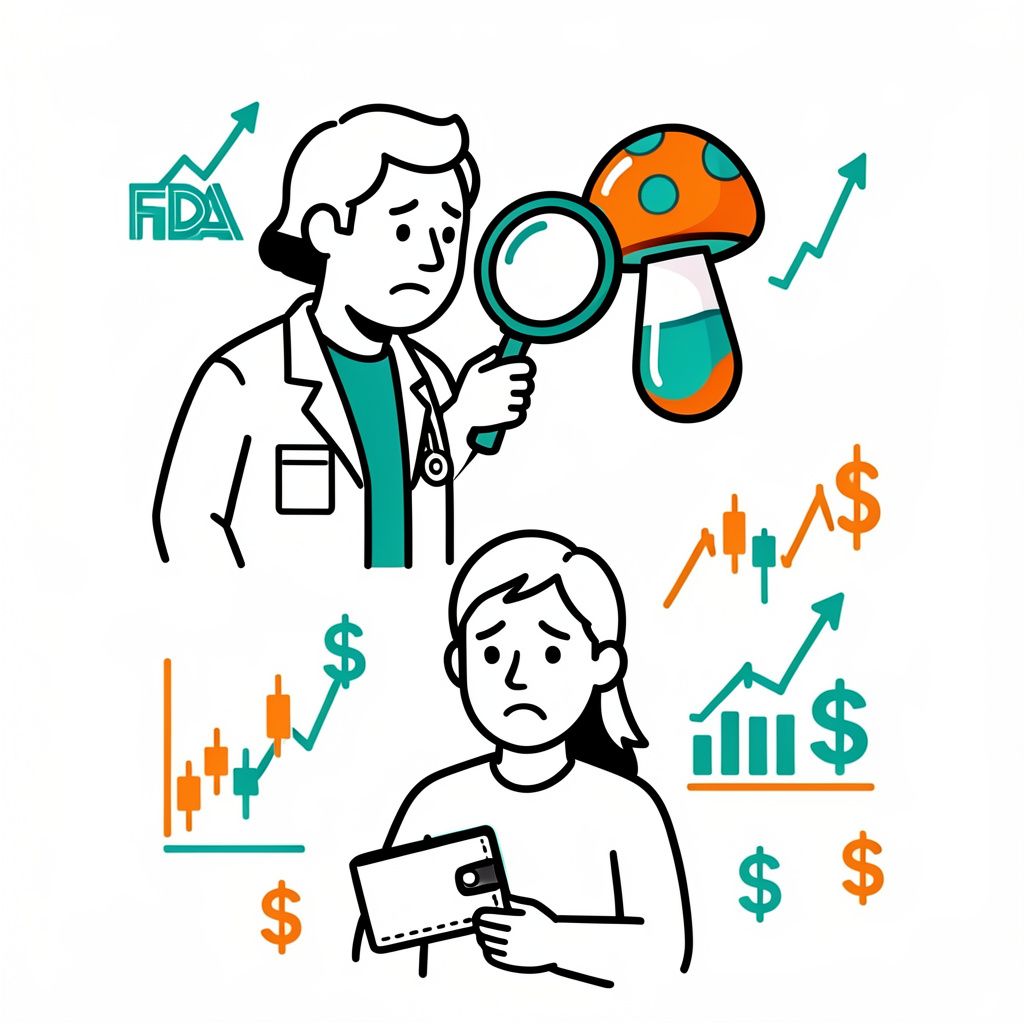
As the FDA establishes frameworks for therapeutic psychedelics, experts caution that overly restrictive research protocols could make real-world medical treatments prohibitively expensive for most patients.
Regulatory Framework and Hearing Details
The United States Food and Drug Administration is scheduled to hold a public hearing on September 14, 2026, at its White Oak Campus in Silver Spring, Maryland, to establish regulatory and commercial frameworks for psychedelic drugs [1]. This event follows the FDA’s finalization of guidance regarding clinical investigations of psychedelic drugs in July 2026, signaling a shift toward potential therapeutic commercialization [1]. Industry leaders and healthcare executives are closely monitoring these proceedings to assess market scalability, reimbursement pathways, and risk management strategies for emerging treatments [1]. The hearing aims to address provider training, credentialing, patient safety, and access, with written comments accepted until October 5, 2026 [5].
Public Engagement and Speaker Selection
Public interest in the regulatory process has been high, with the FDA receiving over 200 requests for oral comment slots for the upcoming hearing [1]. However, fewer than 100 opportunities were granted, resulting in a maximum acceptance rate of 50 percent for oral presentations [1]. This exclusivity highlights the competitive nature of influencing federal policy on psychedelic therapeutics. Pedram Dara, a speaker at the event, noted that lived experience must help inform how benefits, risks, and safeguards are understood in regulatory decision-making [4]. Dara emphasized that moving too slowly keeps treatments out of reach, while moving too quickly without safeguards could harm the very people these treatments intend to help [4].
Economic Barriers and Future Timelines
Economic accessibility remains a critical concern, with current psychedelic therapy landscapes characterized by high costs similar to existing ketamine clinics [8]. Single sessions often cost thousands of dollars, leading to skepticism about mass adoption for the general public who may not be wealthy enough to pay for exclusive medical models [8]. Social media discussions suggest that without intervention, the industry may mirror existing high-cost structures rather than achieving widespread societal benefit [8]. Some industry observers speculate on potential FDA approval timelines, with mentions of Q1 2027, though this remains unconfirmed by regulatory bodies [alert! ‘Source is an Instagram post speculating on approval dates, not an official FDA statement’] [6].
Sources
- www.newswire.com
- finance.yahoo.com
- www.facebook.com
- www.linkedin.com
- propeller.la
- www.instagram.com
- x.com
- www.instagram.com