Russia Halts Gasoline Exports to Secure Domestic Supply Amid Global Volatility
Moscow, Friday, 27 March 2026.
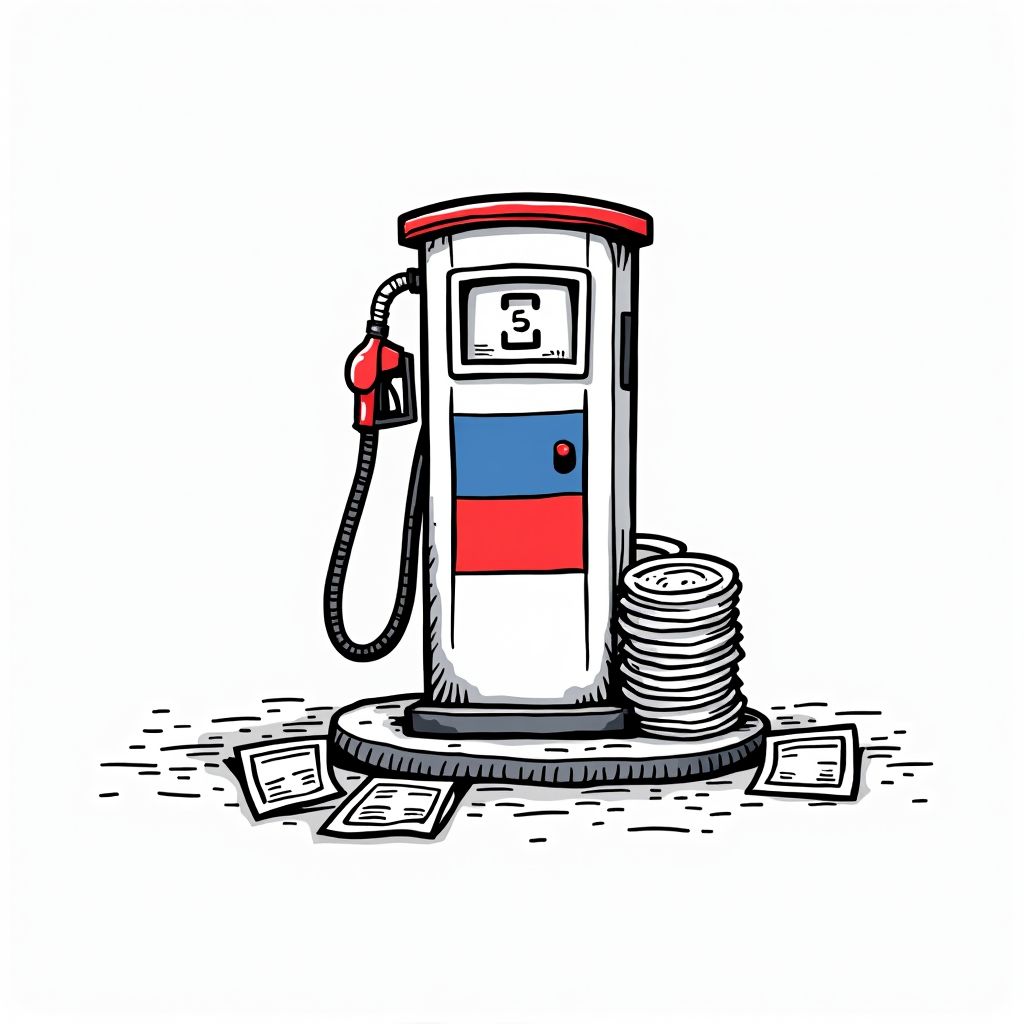
To combat an 11% domestic price surge driven by refinery attacks and Middle East tensions, Russia will suspend gasoline exports starting April 1, 2026, potentially tightening global fuel supplies.
Domestic Pressures and Geopolitical Catalysts
On Friday, March 27, 2026, the Russian government confirmed that Deputy Prime Minister Alexander Novak instructed the Ministry of Energy to draft a resolution imposing a comprehensive ban on gasoline exports [1][2][8]. The restrictions, which will apply to fuel producers, are scheduled to take effect on April 1 and are expected to remain in place until July 31 [2][3][5]. Prior to this directive, export limitations were only enforced against non-producing entities, with major oil companies having been exempt since January 2026 [3]. The policy shift aims to guarantee priority supply to the domestic market during the upcoming season of high demand and to stabilize fuel prices that have been experiencing significant upward pressure [3][7].
Infrastructure Vulnerabilities and Supply Chain Disruptions
Compounding the pricing pressures are direct physical threats to Russia’s energy infrastructure. On March 25, 2026, unmanned aerial vehicle (UAV) attacks targeted the Baltic port of Ust-Luga and an industrial zone in the Kirishi district, the latter housing the critical Kirishinefteorgsintez (KINEF) refinery [4][7]. Although the ensuing fires were contained by March 26, industry sources warn that these strikes could lead to a near-term reduction in oil refining and production levels [4][7]. The operational risks are severe enough that Russian oil producers have reportedly cautioned international buyers about the possibility of declaring force majeure on deliveries via Baltic ports [4].
Historical Precedents and Market Outlook
Using export curbs to manage domestic fuel economics is a familiar strategy for Moscow. A complete ban on gasoline exports was previously instituted on August 31, 2025, in response to sharp increases in wholesale and retail fuel costs, before being lifted in late January 2026 [6]. For context on the volume of fuel removed from the global market, Russia exported nearly 5 million metric tonnes of gasoline throughout 2025, which translates to roughly 117,000 barrels per day [1][2]. Removing this volume from international supply chains, even temporarily, is likely to tighten global markets further, especially as the Northern Hemisphere enters its peak summer driving season [alert! ‘Seasonal demand increases are broadly anticipated by market analysts, but exact impacts depend on concurrent global supply variables’].
Sources
- www.ndtvprofit.com
- www.tbsnews.net
- ria.ru
- meduza.io
- www.fontanka.ru
- finance.mail.ru
- amp.rbc.ru
- www.bloomberg.com