Federal Reserve Leans Toward Rate Increases as Artificial Intelligence Debt Sparks Inflation Worries
Washington, Wednesday, 18 November 2026.
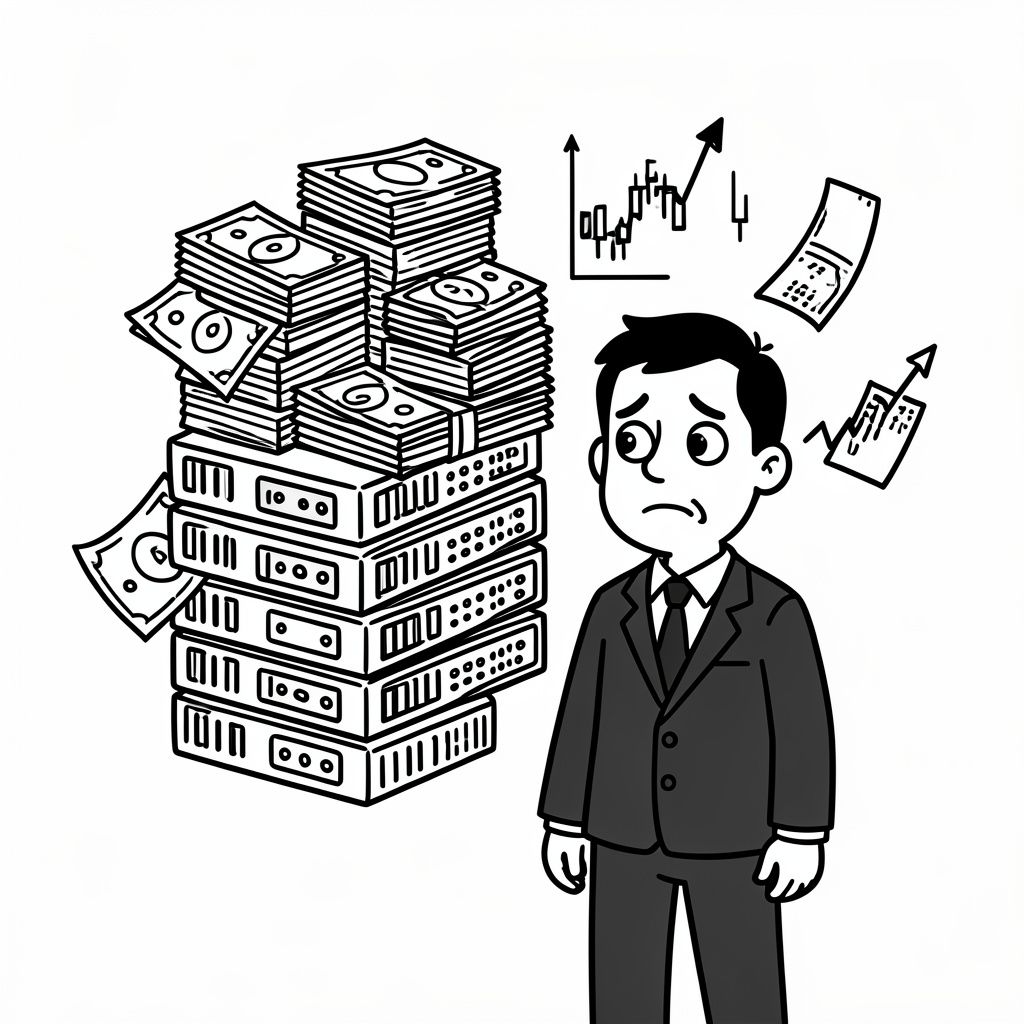
Freshly released Federal Reserve meeting minutes show most policymakers expect further interest rate hikes, specifically warning that fast-growing, opaque debt tied to artificial intelligence poses emerging inflation and stability risks.
Federal Reserve Signals Cautious Rate Hike Path Amid Inflation Concerns
The Federal Reserve’s October 27–28, 2026 meeting minutes, released on Wednesday, 18 November 2026, reveal a central bank divided over its next policy moves as inflation pressures persist. While the Federal Open Market Committee (FOMC) voted 10–2 to hold the benchmark federal funds rate steady at 3.75%–4.00% [1][3][6], the minutes indicate that ‘almost all participants judged that… further action to raise the target range… would likely be appropriate’ to ensure inflation returns to the 2% target [3]. This cautious stance reflects growing concerns over the economic outlook heading into 2027, with policymakers emphasizing the need for ‘a timely return of inflation to the Committee’s 2 percent goal’ [3].
Artificial Intelligence-Driven Debt Emerges as a Key Inflation Risk
A notable highlight from the minutes is the explicit warning about the rapid growth of AI-related debt, which Fed officials described as a ‘material source of inflation risk’ and a potential threat to financial stability due to ‘complex and opaque financing structures’ [3]. This concern aligns with the broader economic backdrop, where October’s Consumer Price Index (CPI) rose 0.4% month-over-month—exceeding expectations by 0.1 percentage point—and core CPI increased 0.3% [4]. The Fed’s assessment underscores the delicate balance between curbing inflation and avoiding undue economic disruption, particularly as AI-driven sectors like semiconductor manufacturing face volatility [alert! ‘AI debt specifics remain high-level without granular data in sources’].
Dissenting Voices and Market Reactions
The October meeting minutes also highlight internal disagreements, with Governors Lisa Cook and Cleveland Fed President Beth Hammack dissenting in favor of a quarter-point rate hike [3][4]. Their push for tighter monetary policy reflects a divide among policymakers over the urgency of rate hikes, even as the majority favored a wait-and-see approach [3]. Market reactions to the minutes have been pronounced, with the U.S. dollar strengthening and gold prices declining as traders price in a hawkish tilt [5]. Meanwhile, cryptocurrency markets have shown heightened sensitivity, with Bitcoin trading around $64,900 amid profit-taking and macroeconomic uncertainty [4]. A notable example is a trader dumping 1,768 Bitcoin (over $114 million) ahead of the minutes’ release, underscoring the minutes’ potential to roil risk assets [7].
Outlook for December and Beyond
Looking ahead, the December 8–9, 2026 FOMC meeting looms large, with markets assigning a 95%–96% probability of a 25-basis-point rate hike and a 5% probability of a more aggressive 50-basis-point move [4]. Governor Christopher Waller has indicated he is ‘leaning toward a December rate hike, even if economic data weakened,’ while New York Fed President John Williams cautioned against expectations of a ‘major increase’ [4]. FedWatch data suggests that traders see a 67% chance of another hike in January 2027, with expectations for March 2027 split between no change and a 25-basis-point increase [4]. Longer-term, St. Louis Fed President Alberto Musalem has warned of the potential for up to a full percentage point increase by mid-2027, signaling that the Fed’s tightening cycle may extend into next year [3].
Sources
- www.federalreserve.gov
- www.federalreserve.gov
- www.cnbc.com
- coinpedia.org
- www.fxstreet.com
- www.financecalendar.com
- www.thestreet.com
- x.com
- x.com