Steve Yzerman Steps Down as Detroit Red Wings General Manager
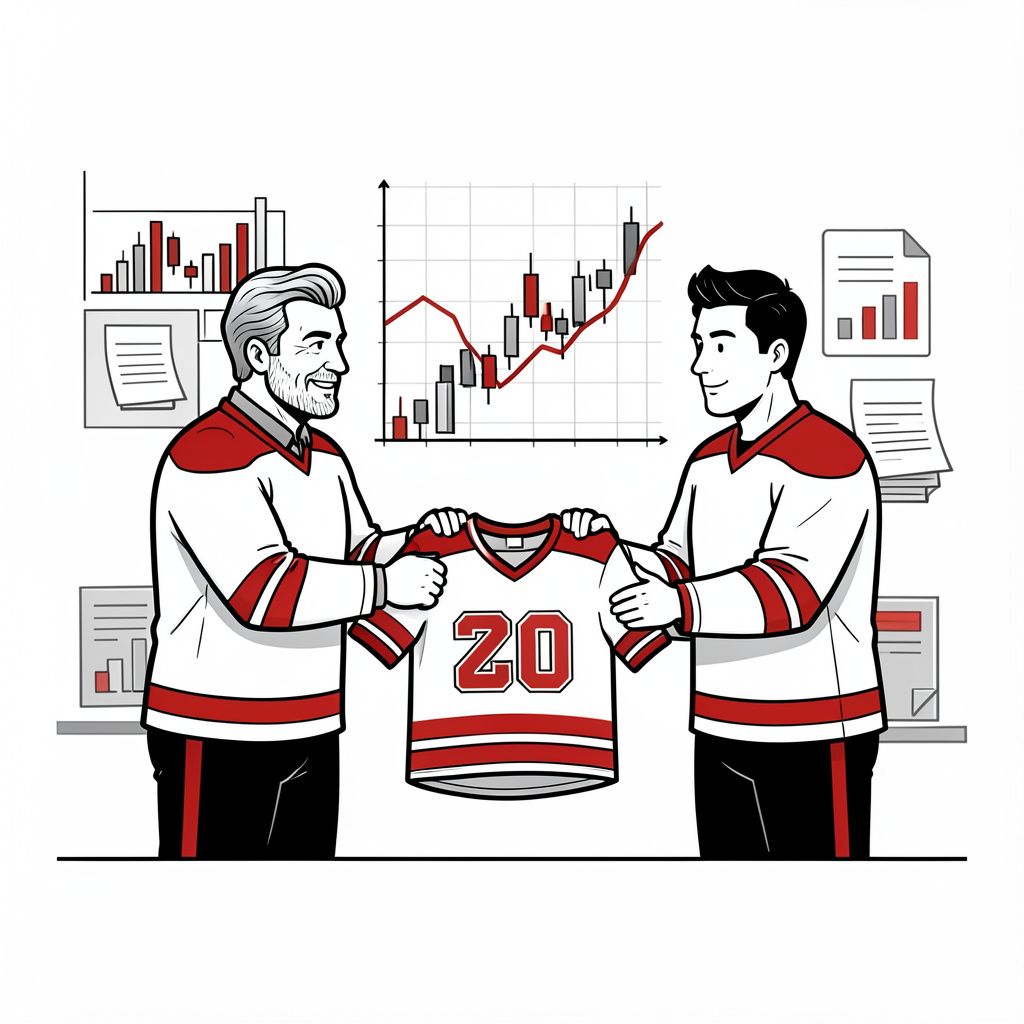
Detroit, Wednesday, 15 July 2026.
On July 15, 2026, Steve Yzerman stepped down as Detroit Red Wings general manager, transitioning to an advisory role amid reports of a strained relationship with captain Dylan Larkin.
An Unexpected Executive Realignment
The hockey world experienced a major shift on Wednesday morning, July 15, 2026, as the Detroit Red Wings announced that NHL legend Steve Yzerman is stepping down from his positions as executive vice president and general manager [1][2][3]. Yzerman, who was introduced as general manager on April 19, 2019, concludes a tenure of 7 years at the helm of the team’s hockey operations [2][3]. Rather than departing the franchise entirely, Yzerman will transition into a new front-office role, serving as a senior advisor to Detroit Red Wings Governor and CEO Chris Ilitch [1][2][3]. To maintain organizational stability during the transition, Yzerman will temporarily remain in his current capacity to manage day-to-day hockey operations in the short term until his successor is officially named [1][3].
The Search for New Leadership
The search for Yzerman’s successor is already underway, led directly by Chris Ilitch [1][2][3]. The organization will consider both internal and external candidates to take over the leadership of hockey operations [1][2][3]. To facilitate a thorough and deliberate search, the Red Wings have established a dedicated search committee [3]. This committee will include Ryan Gustafson, the president and chief executive officer of Ilitch Sports and Entertainment, alongside other key organizational leaders, with Yzerman also serving in an advisory capacity on the committee [3]. This structured corporate transition underscores the high-stakes pressure of professional sports management, particularly for a historic franchise eager to return to postseason competitiveness [1][GPT].
Corporate Pressures and Brand Value in Hockeytown
From a commercial perspective, the Detroit Red Wings represent one of the NHL’s most valuable and storied ‘Original Six’ franchises, making their continued postseason absence a significant financial concern for ownership and parent company Ilitch Holdings [1][GPT]. The team’s prolonged rebuilding phase has tested the patience of both its passionate fanbase and its corporate partners [1][3]. Chris Ilitch addressed these concerns directly in a Wednesday statement, admitting, ‘Clearly, we are not where we and our fans expect to be as an organization,’ while emphasizing his commitment to bringing in new leadership capable of building a ‘championship-caliber organization’ [1][3]. The franchise’s broader financial ecosystem—including ticket sales, corporate sponsorships, and broadcast revenues—remains heavily dependent on restoring on-ice success [GPT].
The Risk of a ‘Rebuild of the Rebuild’
As the franchise prepares to appoint new leadership, the incoming general manager will face critical decisions regarding the team’s strategic direction [4]. Just one day prior to the announcement, on July 14, 2026, sports analysts and media pundits were actively debating the feasibility of the team’s current trajectory, with many warning against committing to a full-scale ‘re-rebuild’ [4]. Initiating a second complete teardown would require trading away core assets and could delay competitive success for years [4]. Such a strategy would not only hinder the team’s ability to sign high-profile free agents but also risk extending Detroit’s playoff drought to rival the historic 14-season postseason absence experienced by the Buffalo Sabres [4].
Managing Human Capital and the Larkin Dilemma
The immediate challenge for the new front office will be managing a roster that analysts describe as too talented to dismantle [4]. The Red Wings’ current lineup features highly valuable assets, including Moritz Seider, Lucas Raymond, Simon Edvinsson, Alex DeBrincat, and Justin Faulk [4]. Because of this talent pool, a full-scale roster ‘tank’ is widely considered impractical and counterproductive [4]. However, the most pressing personnel issue centers on team captain Dylan Larkin, whose relationship with executive leadership has been a subject of intense speculation [3][4].
Uncertainty Surrounding the Captaincy
Larkin, whose eventual departure from the team was previously characterized by some analysts as inevitable under a rebuild scenario, reportedly requested a trade following the conclusion of the most recent season [3][4]. Reports indicate that a sagging relationship between Larkin and Yzerman was a primary catalyst for the captain’s trade request [3]. The sudden departure of Yzerman from the general manager role introduces a major variable into this equation [3]. Whether this dramatic front-office shakeup will repair the rift and convince Larkin to remain in Detroit, or if the new general manager will proceed with a blockbuster trade, remains one of the most critical questions facing the franchise as it enters a new executive era [3].