42 Million Americans Just Regained Access to Junk Food Under SNAP—Here’s Why It Matters
Washington D.C., Tuesday, 23 June 2026.
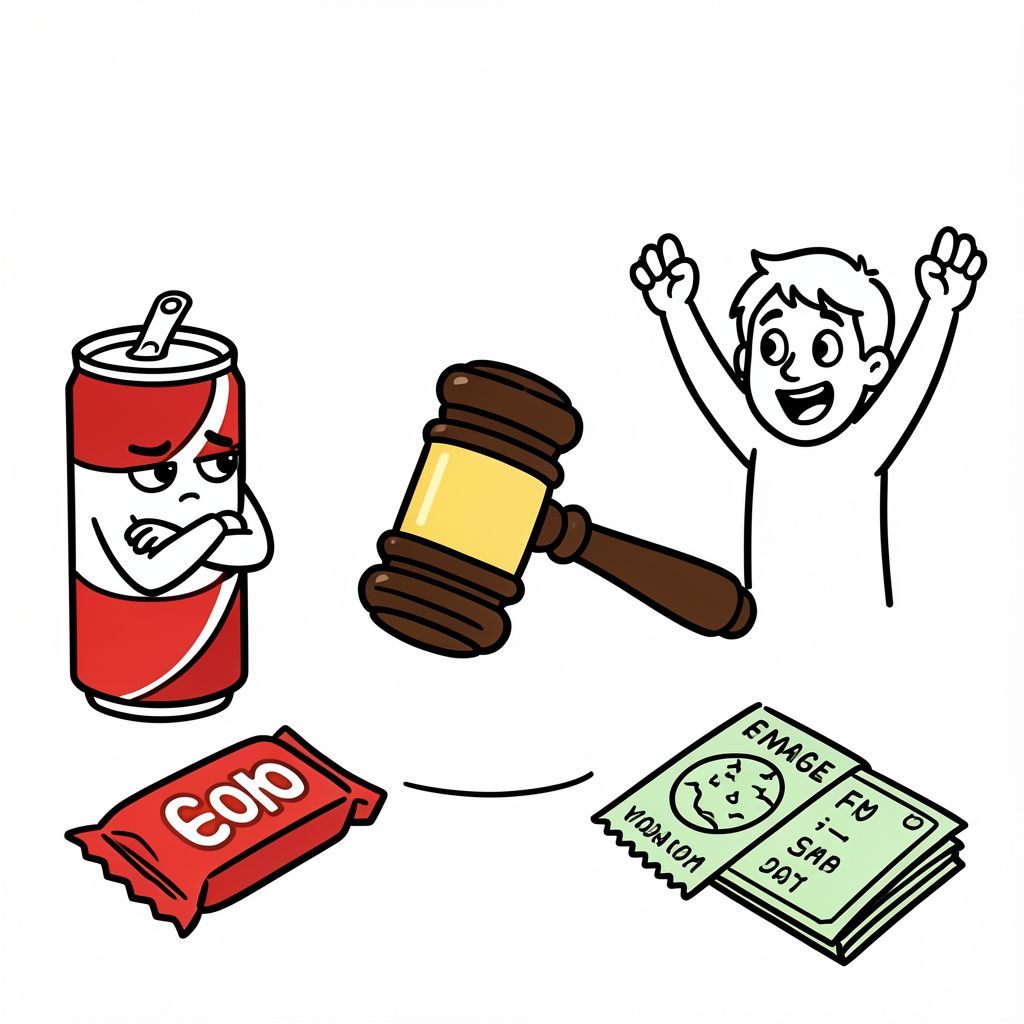
A federal judge just struck down restrictions on using food stamps for soda and candy, affecting 42 million Americans. The ruling dismantles a cornerstone of the ‘Make America Healthy Again’ movement, reigniting debates over government control of dietary choices—and whether taxpayer dollars should fund junk food. Critics call it a win for personal freedom; health advocates warn of a public health setback. The decision could reshape grocery sales, boost soda and snack profits, and set a legal precedent for future nutrition policies.
The Legal Battle Over SNAP Restrictions
On June 22, 2026, U.S. District Judge Amy Berman Jackson invalidated a cornerstone policy of the Make America Healthy Again (MAHA) movement, ruling that the U.S. Department of Agriculture (USDA) overstepped its authority by restricting Supplemental Nutrition Assistance Program (SNAP) benefits for sugary drinks and high-calorie snacks [1]. The decision immediately reinstated access to these items for SNAP recipients, affecting over 42 million Americans who rely on the program [1][2]. Judge Jackson, an appointee of former President Barack Obama, emphasized that Congress had explicitly defined ‘food’ in the Food and Nutrition Act of 2008 and did not authorize the USDA to amend or waive that definition [1]. The ruling vacated approval letters for pilot projects in five states—Iowa, Nebraska, West Virginia, Colorado, and Tennessee—that had sought to exclude soda and candy from SNAP-eligible purchases [1].
The MAHA Movement and Its Political Backers
The Make America Healthy Again movement, championed by Health Secretary Robert F. Kennedy Jr., had positioned the SNAP restrictions as a critical public health intervention to combat obesity and diet-related diseases [1][2]. Kennedy, a prominent figure in the Democratic Party, had tied federal rural health care funding to states’ willingness to apply for waivers limiting SNAP purchases of junk food, a move critics labeled as ‘sort of blackmail’ [2]. At least 23 states had submitted waiver requests to the USDA by June 2026, though definitions of restricted items varied widely—creating inconsistencies where a sports drink might be SNAP-eligible in one state but not another [2][3]. The MAHA agenda had garnered bipartisan support among some lawmakers, reflecting long-standing debates over whether federal nutrition programs should prioritize health outcomes over consumer choice [2].
Economic and Industry Implications
The ruling is expected to have significant ripple effects across the food retail sector. Analysts project that sales of previously restricted items, such as soda and candy, could surge as SNAP recipients regain access to them, potentially boosting revenues for major food and beverage corporations [2]. Conversely, demand for healthier alternatives—such as fresh produce and whole grains—may decline, particularly in states that had implemented restrictions [2]. The food industry had lobbied aggressively against the SNAP limitations, arguing that they disproportionately targeted low-income families and imposed unnecessary burdens on retailers [1]. The decision also sets a legal precedent that could complicate future attempts to regulate SNAP purchases, particularly those tied to public health goals [1][3].
Public Health vs. Personal Freedom: The Debate Intensifies
The ruling has reignited contentious debates over the role of government in shaping dietary choices. Health advocates warn that the decision undermines efforts to reduce obesity and chronic diseases, which disproportionately affect low-income populations [2]. Studies have shown that SNAP recipients consume higher amounts of sugary drinks and processed snacks compared to higher-income groups, contributing to disparities in diet-related illnesses such as diabetes and heart disease [GPT]. However, civil liberties organizations and food industry groups have hailed the ruling as a victory for personal freedom, arguing that the government should not dictate what individuals can purchase with their benefits [1]. The USDA has not yet indicated whether it will appeal the decision, but the case is likely to fuel further legal and political battles over federal nutrition policy [1][2].
What’s Next for SNAP and Nutrition Policy?
The immediate impact of the ruling is clear: SNAP recipients in all 50 states can once again use their benefits to purchase soda, candy, and other previously restricted items [1]. However, the long-term consequences remain uncertain. Some states may continue to pursue alternative strategies to promote healthier eating among SNAP recipients, such as incentive programs that offer bonus benefits for purchasing fruits and vegetables [2]. Meanwhile, lawmakers on both sides of the aisle are likely to scrutinize the ruling’s implications for future nutrition regulations, particularly those tied to federal assistance programs [2]. The decision also underscores the challenges of balancing public health goals with individual autonomy—a tension that is unlikely to be resolved anytime soon [1]. As the debate continues, one thing is certain: the intersection of food policy, economics, and personal freedom will remain a contentious battleground in American politics [GPT].
Sources
- www.politico.com
- thehill.com
- www.fna.usda.gov
- www.politico.com
- www.politico.com
- www.politico.com
- ecf.dcd.uscourts.gov
- www.reuters.com