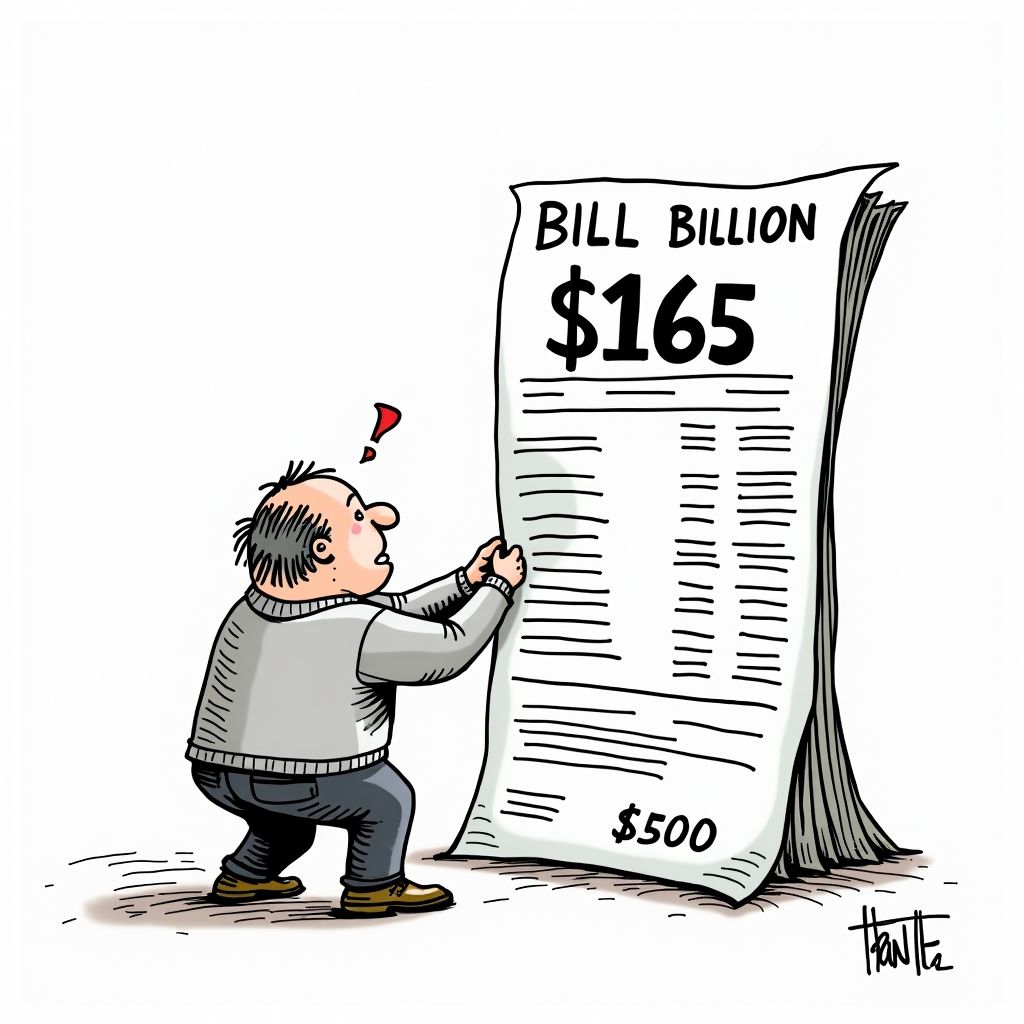
The $165 Billion Cost of Deliberately Exhausting Customer Service
New York, Wednesday, 25 March 2026.
The annoyance economy intentionally uses frustrating customer service to deter cancellations and refunds. This profitable corporate strategy of weaponizing exhaustion costs American consumers a staggering $165 billion annually.
The Economics of Intentional Friction
In a report highlighted in March 2026 by Business Insider senior reporter Juliana Kaplan, author Chad Maisel outlines how the “annoyance economy” operates as a deliberate business model [1]. Rather than an accidental byproduct of corporate inefficiency, constructing hurdles to prevent consumers from opting out or obtaining assistance is highly lucrative [1]. Research indicates that corporate revenues can be between 14 percent and 200 percent higher when subscription cancellations are intentionally made difficult [1]. As Kaplan noted in an article widely circulated on professional networks in late March 2026, basic services are increasingly designed to irritate consumers, extracting a measurable human toll and driving widespread frustration [2].
The Psychological Toll on Consumers and Workers
The shift toward automated deterrence—heavily reliant on AI chatbots, unmonitored email inboxes, and hotlines with extensive hold times—has fundamentally altered consumer behavior since the COVID-19 pandemic [1]. Customers like 52-year-old Michael Kara report having to resort to “barking at the phone” to bypass automated systems and reach a human representative [1]. According to Christine Hargrove, a clinical assistant professor at the University of Georgia, the chronic stress induced by these interactions forces consumers into aggressive, disrespectful modes of communication simply because hostility is often the only effective way to resolve an issue [1].
A Broader Societal Shift
The proliferation of the annoyance economy mirrors a broader, long-term decline in societal trust and cohesion in the United States [GPT]. According to the Pew Research Center, the share of American adults who believe that “most people can be trusted” dropped to 34 percent in 2024, a decline of 12 percentage points from the 46 percent recorded in 1972 [1]. This erosion of trust is compounded by growing feelings of loneliness; a 2025 Harris Poll survey conducted for the American Psychological Association found that more than half of adults felt isolated from others at least some of the time [1].