Croatia Completes €1.2 Billion Demining Project, Declaring Territory Safe After 30 Years
Zagreb, Wednesday, 4 March 2026.
Removing 107,000 mines cost €1.2 billion, a milestone coinciding with German defense giant Rheinmetall acquiring a majority stake in Croatia’s premier demining robotics firm, DOK-ING.
A Monumental Cleanup Effort
The official declaration of a landmine-free Croatia on February 28, 2026, marks the closure of a painful chapter that persisted for over three decades following the War of Independence [3]. The scale of this operation was immense; at the war’s conclusion, approximately 1.5 million landmines contaminated 1,173 square kilometers of territory [1]. The cleanup effort, which concluded with the removal of the final explosive device in the Ličko-senjska county at the start of 2026, came with a staggering financial cost of approximately €1.2 billion [3]. According to Interior Minister Davor Božinović, this was not merely a technical success but the fulfillment of a moral obligation to victims and their families [1][4]. In total, demining teams removed nearly 107,000 landmines and approximately 470,000 pieces of unexploded ordnance [1][4][7].
Human Cost and Economic Liberation
While the financial expenditure was significant, the human cost of the demining process was far higher. During the thirty-year operation, 208 citizens and 41 pyrotechnicians lost their lives in minefields [3]. The elimination of these hazards now unlocks critical economic potential for the nation. The removal of these explosives liberates vast areas for agricultural use and infrastructure projects, while simultaneously removing the safety risks that had long stifled tourism development in Croatia’s inland regions [1][4]. This achievement aligns Croatia with the Ottawa Convention obligations, joining other cleared nations like Mozambique, which was declared mine-free in 2015 [1][2].
From Domestic Necessity to Global Industry
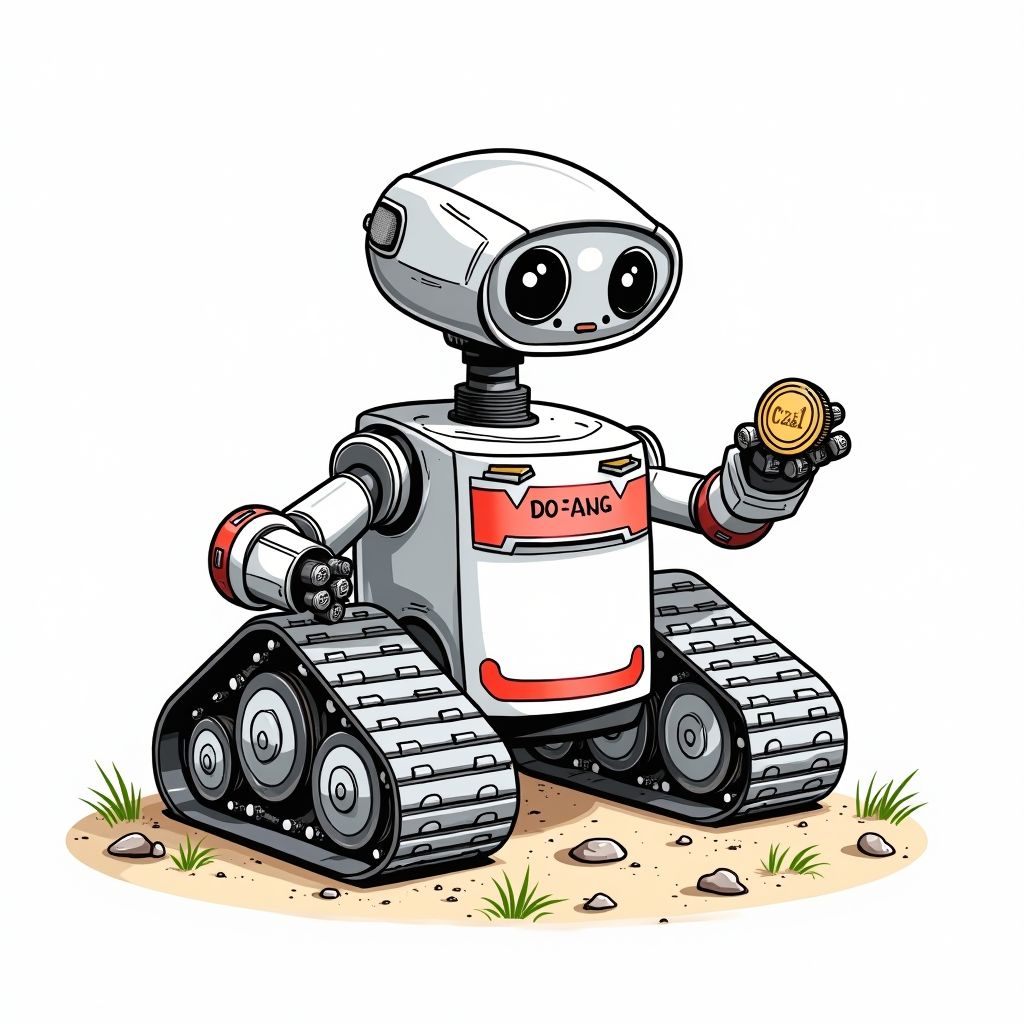
The intense domestic need for demining solutions fostered a specialized industrial capability within Croatia, most notably exemplified by the robotics firm DOK-ING. The company’s unmanned systems were instrumental in the cleanup, clearing 100 million square meters of suspicious terrain mechanically before human deminers entered the field [3]. This expertise has now attracted major international investment. On Tuesday, March 3, 2026—just days after the country was declared mine-free—German defense giant Rheinmetall acquired a 51.49 percent majority stake in DOK-ING [6]. This acquisition follows Rheinmetall’s strategic purchase of the naval shipbuilder Naval Vessels Lürssen (NVL) in late February 2026, signaling a concerted expansion into the region [6].
Financials and Strategic Synergy
The financial logic behind the acquisition is underpinned by DOK-ING’s robust performance. In 2024, the Croatian firm reported revenues of approximately €61.7 million and a net profit of €11.3 million, reflecting a profit margin of 18.314 percent [6]. The company also demonstrated strong momentum with revenue growth exceeding 22 percent that year [6]. For Rheinmetall, a corporation projecting annual revenues between €10 billion and €10.4 billion for 2025, this partnership establishes a new competence center for unmanned and autonomous military systems within Croatia [6]. Vjekoslav Majetić, DOK-ING’s founder, confirmed that while the ownership structure has changed to facilitate capacity expansion, development and production will remain in Croatia [6].
Sources
- www.goodnewsnetwork.org
- mezha.net
- vijesti.hrt.hr
- slavonijainfo.com
- www.reddit.com
- www.jutarnji.hr
- www.instagram.com
- www.poslovni.hr