UK Plan to Ban Petrol Cars Faces Rising Economic Backlash
London, Sunday, 16 August 2026.
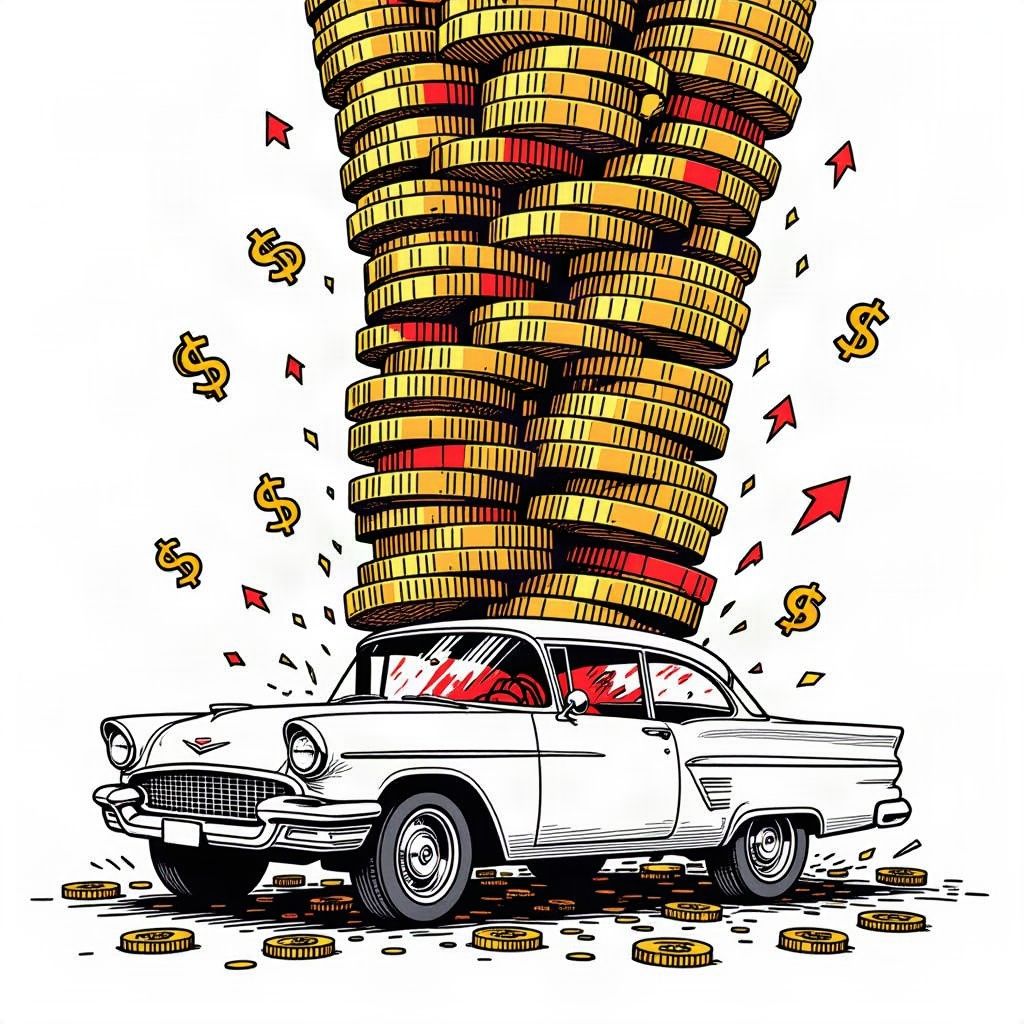
Transport advocacy group FairFuelUK warns the UK’s planned 2030 ban on new petrol vehicles will severely harm the economy while offering minimal environmental benefits compared to its massive costs.
Economic Viability and Infrastructure Strain
FairFuelUK asserts that the planned 2030 ban on new petrol and diesel vehicles will cost at least five times the alleged environmental benefits [1]. Howard Cox, founder of the group, states that the national grid cannot cope with the extra load required to keep the nation fully charged [1]. The government is reportedly relying on subsidies and tax breaks to bribe consumers into submission without proper consultation [1]. Cox argues that forcing expensive EVs onto the market without infrastructure readiness threatens severe economic damage [1]. British motorists, manufacturers, and jobs are being sacrificed on the altar of a target that independent analysis proves delivers vanishingly small climate returns at enormous economic cost [1].
European Policy Divergence
While the UK Department for Transport confirmed the 2030 phase-out remains in effect, the European Union has shifted its approach [1]. The EU Commission’s 2025 proposal moved from a hard 2035 zero-emission requirement to a 90% target, allowing for continued combustion-engined vehicle sales [1]. Cox notes that the rest of Europe has sensibly put back its ban on new fossil-fuel car sales [1]. He describes the UK’s stance as an ill-informed approach that wrecks the economy for pure ideology [1]. This divergence highlights the isolation of the UK’s rigid deadline compared to continental strategies [1].
Advocacy History and Current Status
Founded and managed by CEO Howard Cox, FairFuelUK claims to have saved UK motorists over £200 billion in planned tax hikes since 2010 [1]. As of 16 August 2026, the group continues to urge the Government to abandon this self-destructive policy [1]. The UK government maintains its rigid 2030 deadline for the petrol and diesel ban despite the opposition [1]. Independent analysis cited by the group proves the target delivers vanishingly small climate returns at enormous economic cost [1]. Drivers deserve better than this policy before the damage becomes irreversible [1].