Los Angeles Approves First 3D-Printed Home Featuring Sound Wave Fire Suppression
Los Angeles, Monday, 9 March 2026.
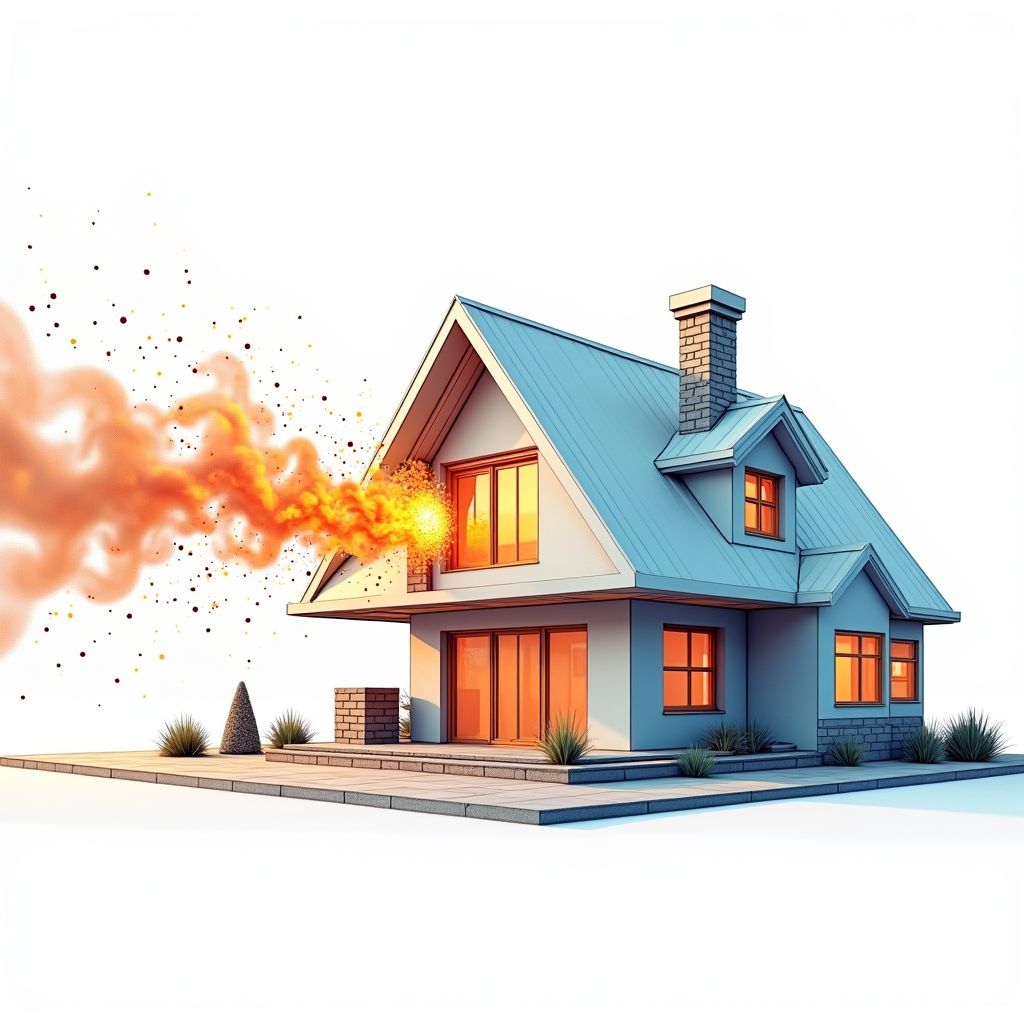
Approved in March 2026, Los Angeles County’s first 3D-printed home replaces a fire-ravaged property. The 139.35 m² structure utilizes groundbreaking sound waves rather than water to suppress future fires.
A Paradigm Shift in Disaster Recovery
On March 9, 2026, Monrovia-based general contractor PCI Builders officially announced receiving the first building permit for a 3D Concrete Printed (3DCP) home in Los Angeles County [1]. The permit, initially issued in late February 2026, authorizes the construction of a 139.35 m² residence within the Eaton Fire rebuild zone [1]. Founded in 2008 and led by CEO Allison Allain, the woman-owned design-build firm aims to replace traditional, vulnerable building methods with climate-resilient alternatives [1]. “We cannot simply rebuild the way we always have,” Allain stated, emphasizing the critical need for smarter, proven technologies that prepare communities for future environmental realities [1].
Acoustic Fire Suppression and Modern Safety
Beyond the non-combustible concrete walls and fire-resistant metal roofing, PCI Builders is integrating an unprecedented interior safety mechanism: sound waves [1]. Partnering with Cleveland, Ohio-headquartered Sonic Fire Tech, the project will feature an infrasound-based fire suppression system [1]. This technology is designed to complement or potentially replace traditional water-based interior sprinklers, mitigating fires without relying on water or chemical agents [1]. This represents a critical evolution in property protection, particularly in drought-prone regions like Southern California where water conservation is paramount [GPT].
Operational Momentum and Real Estate Disruption
As PCI Builders pioneers this regulatory breakthrough in Los Angeles, the firm’s broader construction operations continue to advance rapidly. Recent social media updates from clients indicate ongoing project completions, with residents noting that final fixes are being rectified by PCI and occupancy certificates are actively being processed for imminent move-ins [2]. While traditional home builds often face prolonged delays due to labor shortages and supply chain constraints, the integration of automated workflows provides a highly scalable, rapid-response solution for real estate markets recovering from natural disasters [1][alert! ‘Assuming the Instagram post refers to a standard PCI Builders project nearing completion, demonstrating general operational speed’].