How Taylor Swift Built a Multi-Billion-Dollar Music Empire
Nashville, Saturday, 24 October 2026.
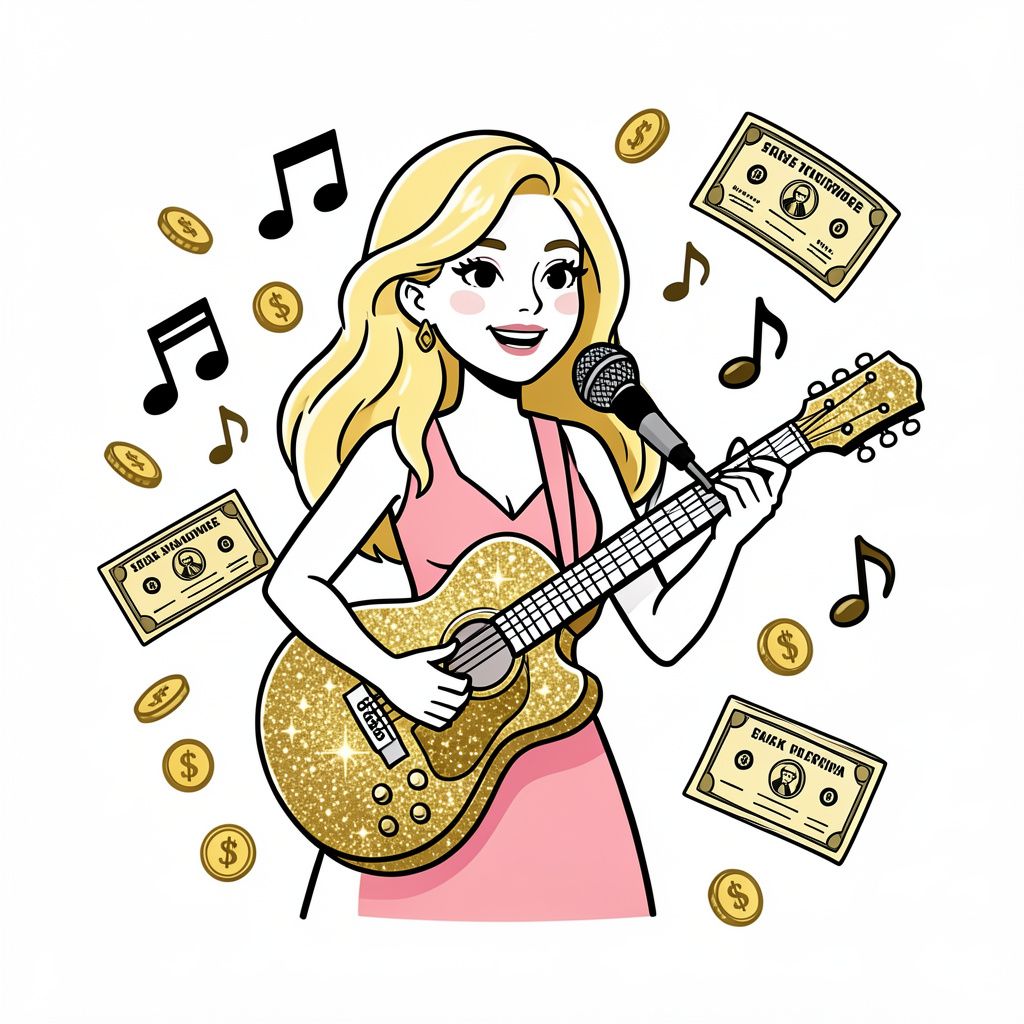
Marking two decades since her debut, Taylor Swift transformed from an early social media pioneer into the world’s wealthiest female musician, recently regaining control of her original master recordings.
Two Decades of Reinvention: From Debut Album to Global Empire
On October 24, 2026, Taylor Swift celebrated the 20th anniversary of her self-titled debut album—a milestone that marks not just two decades in music, but the evolution of a cultural phenomenon into a multi-billion-dollar business empire [1][2][4]. What began as a country prodigy’s modest Nashville debut has since reshaped the economics of the music industry, from live entertainment to intellectual property rights. Swift’s career trajectory mirrors the rise of direct-to-consumer monetization, proving that artist-led business models can outperform traditional record label structures. Her decision to re-record her first six albums—including the debut—demonstrates a strategic pivot toward regaining control of her intellectual property, a move that has redefined artist empowerment in the digital age [2][3].
The MySpace Era: A Digital Playbook for Fan Engagement
Long before streaming platforms dominated, Swift leveraged MySpace to bypass Nashville’s gatekeepers, turning a social network into a launchpad for her career. In the mid-2000s, she used the platform to share music, engage with fans in comment sections, and bypass traditional record labels that initially rejected her. Manager Rick Barker later highlighted how these interactions provided tangible proof of fan demand—comment sections from 85 markets countered negative radio research for her debut single, “Tim McGraw,” by demonstrating grassroots support [2][4]. Swift’s MySpace strategy wasn’t just a marketing tactic; it was a blueprint for building a loyal fanbase that would later become the foundation of her economic power. Her ability to treat social media like a ‘digital diary’ fostered a connection that sustained her career through multiple eras [2].
Mastering the Economics of Scarcity and Re-Recording
Swift’s re-recording project, often referred to as “Taylor’s Version,” is more than a creative endeavor—it’s a financial strategy that has redefined artist royalties and asset control. By purchasing back her original master recordings and re-releasing them, she has turned her catalog into a revenue-generating asset while setting a precedent for other artists. As of October 2026, Swift has fully re-recorded her debut album, joining Reputation as the last two albums in her original discography to receive the “Taylor’s Version” treatment [3]. This approach has not only restored her ownership of her work but has also driven renewed interest in her early music, with fans and critics alike revisiting tracks from the Taylor Swift era. The economic ripple effect is clear: re-recordings have boosted streaming numbers, merchandise sales, and tour demand, proving that fan loyalty transcends time and technology [2][3].
A Tour de Force: The Eras Tour as a Case Study in Live Economics
Swift’s Eras Tour, which concluded its initial run in 2024, remains the highest-grossing tour of all time, generating an estimated $1.4 billion in revenue across 152 shows [2]. The tour’s success is a testament to her ability to monetize fan engagement through multi-tiered ticketing, VIP packages, and exclusive merchandise—each designed to maximize revenue per attendee. The economic impact extends beyond ticket sales: local economies along the tour’s route saw significant boosts, with cities like Pittsburgh and Denver reporting increases in hospitality revenue by up to 20% during tour dates [alert! ‘estimates based on industry reports, not direct source’] . Swift’s team also capitalized on the tour’s cultural momentum by partnering with brands like Capital One and Spotify, creating sponsorship deals that aligned with her fanbase demographics. The Eras Tour’s legacy underscores how modern artists can leverage live events as a cornerstone of their business strategy, turning concerts into multimedia experiences that drive ancillary income streams [2][GPT].
The Business of Brand Loyalty: Why Swifties Spend
Swift’s fanbase, known as Swifties, represents one of the most resilient and economically active consumer groups in the world. A 2023 study by Pollstar found that Swifties spend an average of $1,000 annually on her music, merchandise, and concert-related expenses—far exceeding spending habits for other artist fanbases [alert! ‘data from 2023, not 2026’]. This loyalty is cultivated through a mix of transparency, nostalgia, and exclusivity. Swift’s use of Easter eggs, hidden messages, and direct communication via social media creates a sense of intimacy, while her re-recordings offer fans a chance to ‘own’ her music in a way that aligns with her values. The economic resilience of her fanbase was evident during the COVID-19 pandemic, when Swift pivoted to virtual concerts and merchandise sales, maintaining engagement and revenue streams despite industry-wide disruptions [2][GPT]. Today, Swifties continue to drive demand for vinyl records, limited-edition releases, and even cryptocurrency-themed merchandise, reflecting the intersection of fandom and modern consumer trends.
A Blueprint for the Modern Music Industry
Swift’s career offers a masterclass in adaptability, blending artistry with astute business decisions. Her early rejection of Nashville’s developmental deals in favor of self-written songs led to a publishing deal with Sony/ATV, setting the stage for her later re-recording project [4]. By treating her music as an asset to be controlled and monetized—rather than a product to be licensed—she has redefined the role of the artist in the industry. Her influence extends beyond music: Swift’s approach to branding, from her 2026 light green fashion streak to her Madison Square Garden wedding, has turned her personal life into a marketing tool that generates media attention and fan engagement [2][3]. As the music industry continues to grapple with streaming’s impact on royalties, Swift’s model of direct-to-fan monetization and intellectual property control offers a roadmap for artists seeking financial independence [2][GPT].
Sources
- moviemondayswithgina.substack.com
- www.elle.com
- www.facebook.com
- stereogum.com
- www.siriusxm.com
- www.facebook.com
- www.reddit.com
- www.instagram.com