Why Canva Is Letting Go of More Than 1,200 Employees
Sydney, Friday, 6 November 2026.
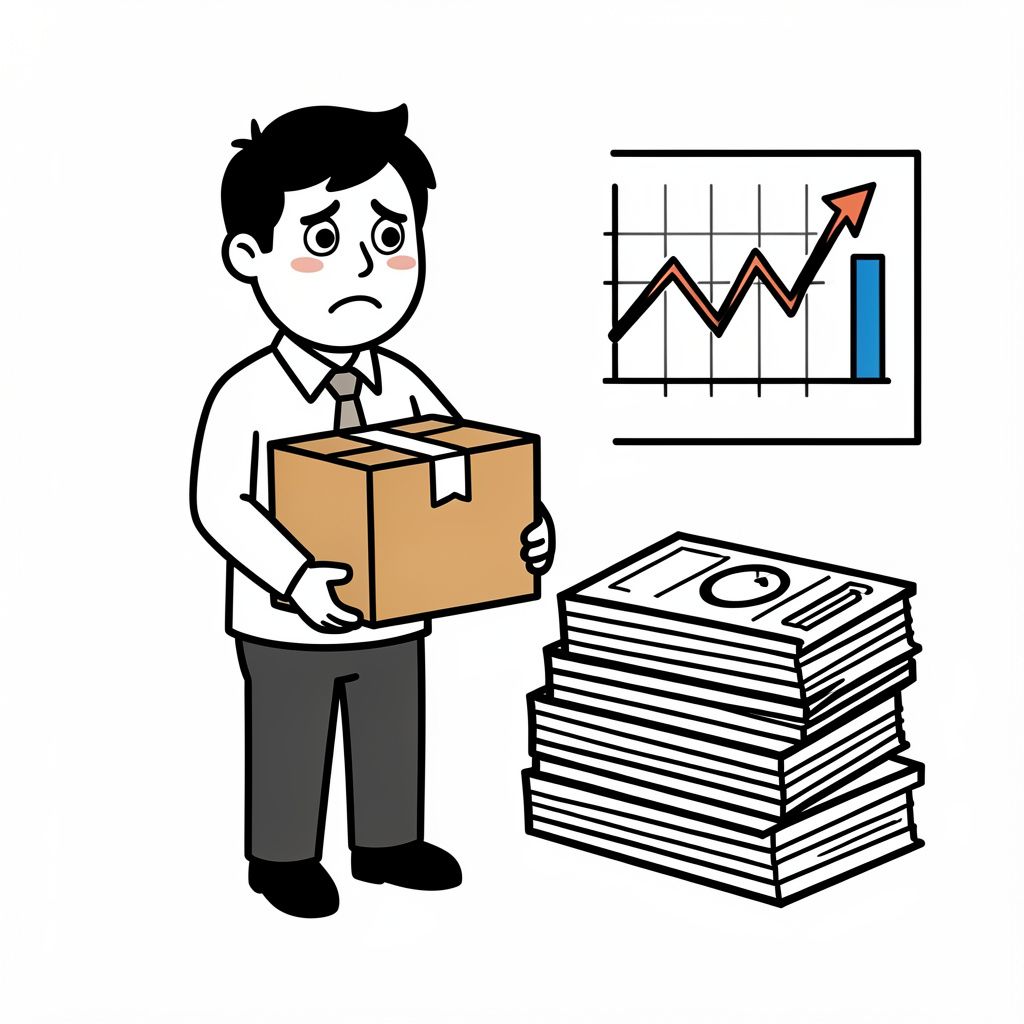
Facing its first growth slowdown in a decade, Canva is cutting 1,271 roles while offering impacted staff six months of severance pay and ten-thousand-dollar grants to launch new businesses.
A Historic Restructuring for Canva
Australian design-tech giant Canva has initiated its most sweeping workforce reduction to date, announcing on 3 November 2026 the elimination of 1,271 positions—representing 22.001 of its global workforce [alert! ‘exact total workforce figure not confirmed across all sources’]. Co-founder and Chief Executive Officer Melanie Perkins characterized the move as ‘the hardest decision we’ve made in Canva’s history,’ underscoring the gravity of the operational overhaul [1][2][3][4][5][6]. The restructuring reflects broader pressures in the late-stage tech ecosystem, where high-valuation private firms are prioritizing cost discipline and organizational realignment to sustain margins amid intensifying competition from AI-driven design tools [1][2][3][5].
The Catalyst: A Decade of Uninterrupted Growth Ends
The decision follows Canva’s first-ever growth slowdown in a decade, with the company lowering its 2026 revenue growth forecast from 30% to 20% in August 2026 [2][4][6]. This revision came as Canva faced heightened competition from AI platforms developed by OpenAI and Google, which are rapidly encroaching on the company’s core design and graphics markets [2][4][6]. Melanie Perkins acknowledged in a company memo that 2026 has been ‘our hardest year yet,’ marking a pivotal inflection point for the 13-year-old company [2][4][6]. The slowdown has prompted Canva to rethink its organizational structure, consolidating product, growth, and platform teams into a unified product organization while reducing management layers [1][2][3][5].
Operational Shifts: From Global Teams to Sydney-Centric Focus
As part of the restructuring, Canva will elevate Sydney to the primary hub for more of its product teams, signaling a strategic shift toward centralized operations [1][2][3][5]. Starting in January 2027, most hybrid employees will be required to work from the office two to three days per week, a move aimed at fostering collaboration and aligning with the company’s new organizational structure [1][2][3][5][6]. Canva operates across 37 countries, and the restructuring will involve layoffs, role adjustments, and relocations, with affected employees receiving transition support packages [1][2][3][5][6].
Support Packages: A Balancing Act of Severance and Opportunity
Departing employees will receive a comprehensive severance package, including at least six months of salary, 12 months of health care coverage where applicable, and career transition support such as interview preparation and job-search assistance [2][3][4][5][6]. Additionally, Canva will remove the one-year vesting cliff for employees who joined within the past year and provide $10,000 grants through the Canva Collective Fund to help departing staff launch new businesses or community projects [2][3][4][5][6]. Affected employees will also retain their company MacBooks and receive one year of LinkedIn Premium, further supporting their transition [2][3][4][5][6]. The opt-in alumni directory, managed via mel@canva.com, will connect former employees with new opportunities [2][3][5].
Market and Investor Sentiment: Valuation Pressures Mount
The restructuring announcement coincides with investor concerns highlighted in T. Rowe Price filings from the week of 27 October 2026, which marked down Canva’s internal valuation by 20% to US$30.4 billion [3]. This markdown reflects broader unease about Canva’s growth trajectory and the risks posed by AI disruption, as well as slowing revenue growth [3]. Despite the challenges, Canva’s leadership maintains that the changes are critical to positioning the company for long-term success, even as it navigates its most difficult period to date [1][2][3][4][5][6].
The Road Ahead: Canva’s AI-First Pivot
While the restructuring aims to streamline operations and improve efficiency, the company’s long-term viability may hinge on its ability to integrate AI into its core products [alert! ‘specific AI integration plans not detailed in sources’]. Industry observers suggest that Canva’s future competitiveness will depend on its capacity to innovate beyond traditional design tools, particularly as AI platforms like those from OpenAI and Google continue to democratize design capabilities [2][4][6]. Melanie Perkins has framed the restructuring as a necessary step to ‘set Canva up for the future,’ but the company’s ability to adapt will be closely watched by investors, employees, and competitors alike [1][2][3][4][5][6].
Sources
- www.verity.news
- www.foxbusiness.com
- www.linkedin.com
- www.businessinsider.com
- www.instagram.com
- www.instagram.com