Decades-Old Abuse Allegations Against Cesar Chavez Spark a Reckoning in the Labor Movement
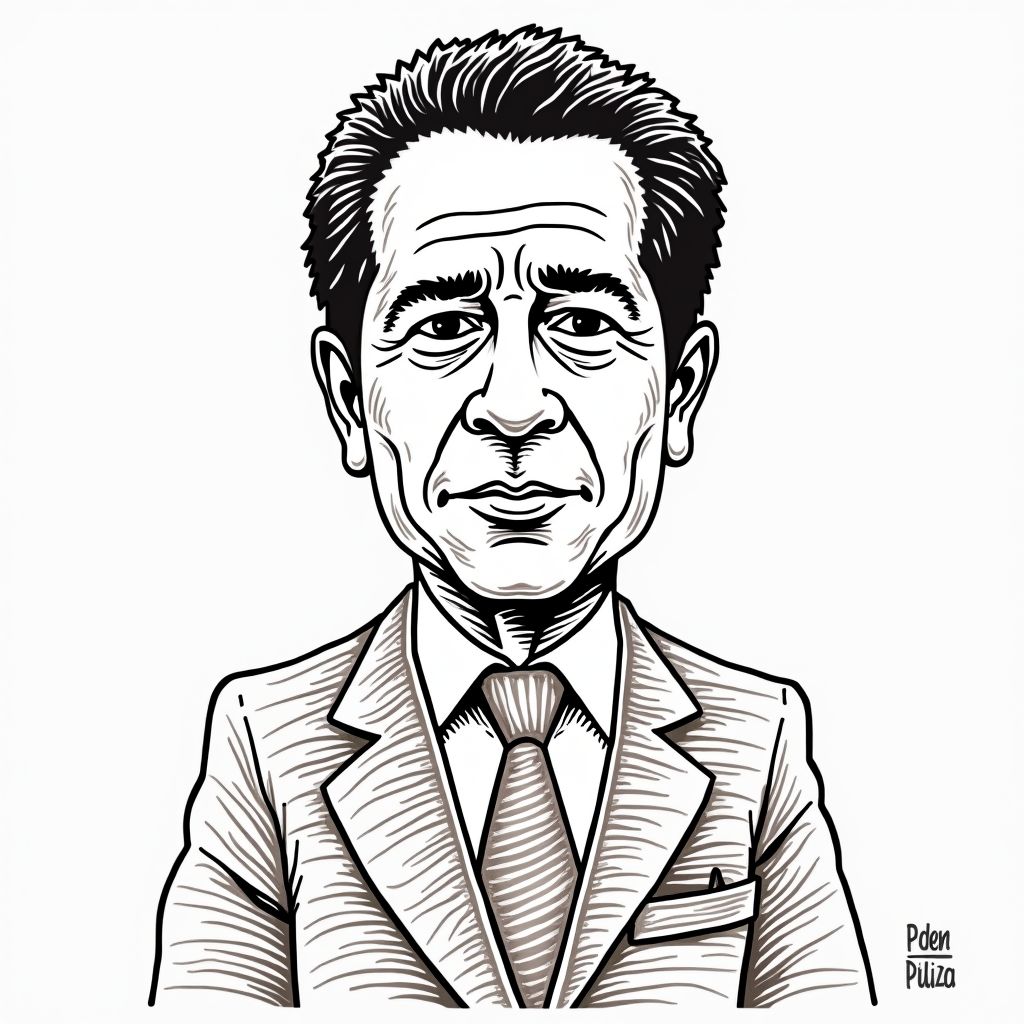
Los Angeles, Thursday, 19 March 2026.
A bombshell investigation reveals labor icon Cesar Chavez sexually abused minors and co-founder Dolores Huerta, forcing organizations to cancel memorial celebrations and reassess his civil rights legacy.
A Movement Shaken to Its Core
On March 18, 2026, a sweeping investigation published by The New York Times laid bare harrowing allegations against Cesar Chavez, the late co-founder of the United Farm Workers (UFW)—one of the most prominent agricultural labor unions in U.S. history [GPT]—who died in 1993 [1]. The report, based on more than 60 interviews, union records, and recordings, accuses Chavez of sexually abusing girls and women during the 1960s and 1970s [1]. Among the accusers is 95-year-old UFW co-founder Dolores Huerta, who initially came forward on March 12, 2026, revealing that Chavez had coerced and raped her [4]. Huerta disclosed that a 1966 assault in a Delano, California grape field, along with another encounter, resulted in pregnancies that she kept secret, arranging for the children to be raised by other families to protect the political momentum of the farmworker movement [1][6].
Institutional Fallout and Labor Market Implications
The immediate institutional response has been a rapid and systemic distancing from Chavez’s personal legacy. On March 17 and 18, 2026, both the UFW and the Cesar Chavez Foundation issued statements expressing profound shock and sadness, acknowledging the “indefensible” nature of the historic harm [3][4][5]. Consequently, planned Cesar Chavez Day celebrations across the country—including events in San Francisco, Texas, and Arizona—have been abruptly canceled [5]. In California, where March 31 is codified as a paid state holiday, the Fresno school district pulled its students and staff from planned festivities, while organizers of a Sacramento march considered rebranding their event entirely [2].
Rebranding a Complicated Legacy
The political fallout in Democratic strongholds, where the farmworker movement has historically galvanized Latino voters, is palpable [4]. California Governor Gavin Newsom stated that the state must reflect on a labor movement that transcends one individual, while Los Angeles County Supervisor Janice Hahn proposed renaming the March 31 holiday to “Farmworker Day” [1][6]. A number of California elected officials favor altering the holiday’s observation [alert! ‘Pending legislative action, it remains unclear if the state holiday will be officially renamed before March 31’] [6]. With three dozen (36) schools in California bearing Chavez’s name, public entities face immense pressure to re-evaluate their institutional tributes [1]. Adding to the complexity is the historical context of Chavez’s leadership; as noted by former community members, Chavez actively opposed undocumented migrants during his tenure, viewing them as a hindrance to organized labor [6].
Sources
- www.nbcnews.com
- www.politico.com
- chavezfoundation.org
- www.axios.com
- www.pbs.org
- www.latimes.com
- www.nbcnews.com