Judge Rules Empire Wind Can Resume Construction, Citing Economic Risks Over Security Concerns
New York, Thursday, 15 January 2026.
A federal judge cleared Equinor to restart its $5 billion Empire Wind project, ruling the administration’s halt caused “irreparable harm” to the 60% complete development, signaling a pivotal legal shift.
Federal Court Grants Injunction Against Administration’s Stop-Work Order
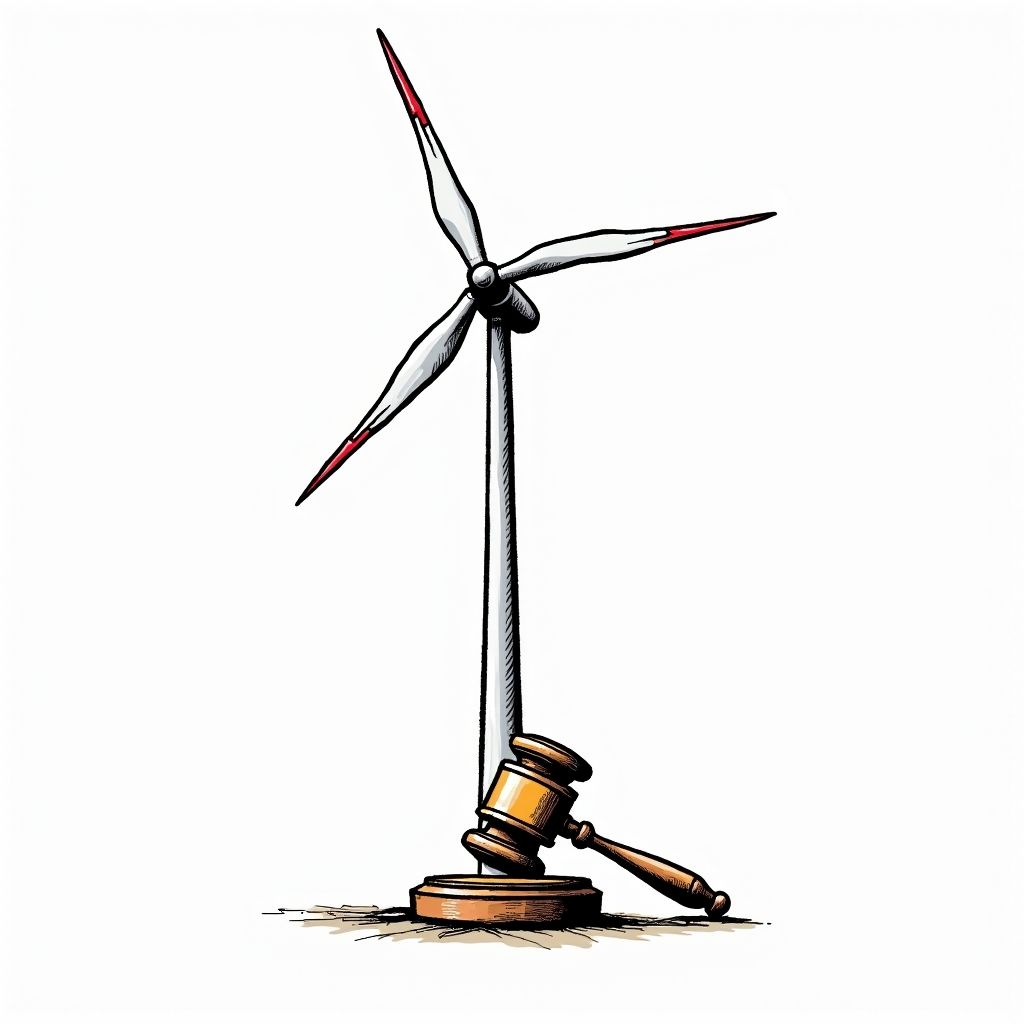
On Thursday, U.S. District Judge Carl Nichols granted a preliminary injunction allowing the Norwegian energy developer Equinor to resume construction on its Empire Wind project off the coast of New York [1][2]. This decision marks the second significant legal defeat for the Trump administration regarding its offshore wind policy in less than a week, following a similar ruling on Monday that permitted Danish company Ørsted to restart its Revolution Wind project [2][7]. Judge Nichols, a Trump appointee, determined that the administration’s December 22 order to halt operations would cause greater economic damage to the developer than the national security concerns cited by the government would justify [1][2].
Economic Stakes and Irreparable Harm
The court’s decision hinged on the concept of “irreparable harm,” with Judge Nichols noting that maintaining the suspension threatened the “entire existence” of the Empire Wind project [2]. The development, which is approximately 60% complete, is designed to supply power to more than 500,000 homes in New York by 2027 [4]. Equinor successfully argued that an extended delay beyond January 16 would jeopardize the project’s economic viability, potentially resulting in a loss of $5.3 billion [8]. A critical factor in this urgency was the availability of specialized heavy-lift vessels, such as Heerema’s Sleipnir, which were scheduled to depart for other contracts if they could not immediately proceed with installing the substation topside [2][6].
National Security Claims vs. Energy Targets
The Trump administration, through the Interior Department, had issued stop-work orders to five East Coast offshore wind farms in late December, justifying the move with classified information regarding potential interference with radar systems and national security interests [1][8]. However, the court found these arguments insufficient to warrant an immediate and total cessation of work that would financially ruin the developers [2]. This legal battle highlights the ongoing friction between the renewable energy sector and President Donald Trump, who has frequently criticized wind energy technology as expensive and unreliable [2][3]. Despite the administration’s opposition, Equinor stated it would “now focus on safely restarting construction activities” while continuing to engage with the government on security protocols [2][5].
Broader Implications for the Offshore Sector
This ruling offers a temporary stabilization for the U.S. offshore wind industry, where developers have committed approximately $28 billion to the five projects targeted by the administration’s recent freeze [8]. The underlying legal challenge, filed as Empire Leaseholder LLC v. Burgum, will proceed on an expedited schedule, with Judge Nichols requesting legal briefings from both sides by January 20 [8]. While the injunction allows construction to continue during the litigation, the case remains a critical bellwether for investors gauging the regulatory risk for green infrastructure under the current presidency [1][8].
Sources
- thehill.com
- www.reuters.com
- www.townandcountrytoday.com
- www.bloomberg.com
- www.nytimes.com
- renews.biz
- www.canarymedia.com
- business.financialpost.com