Congress Targets Automaker Data Control to Curb Rising Repair Costs
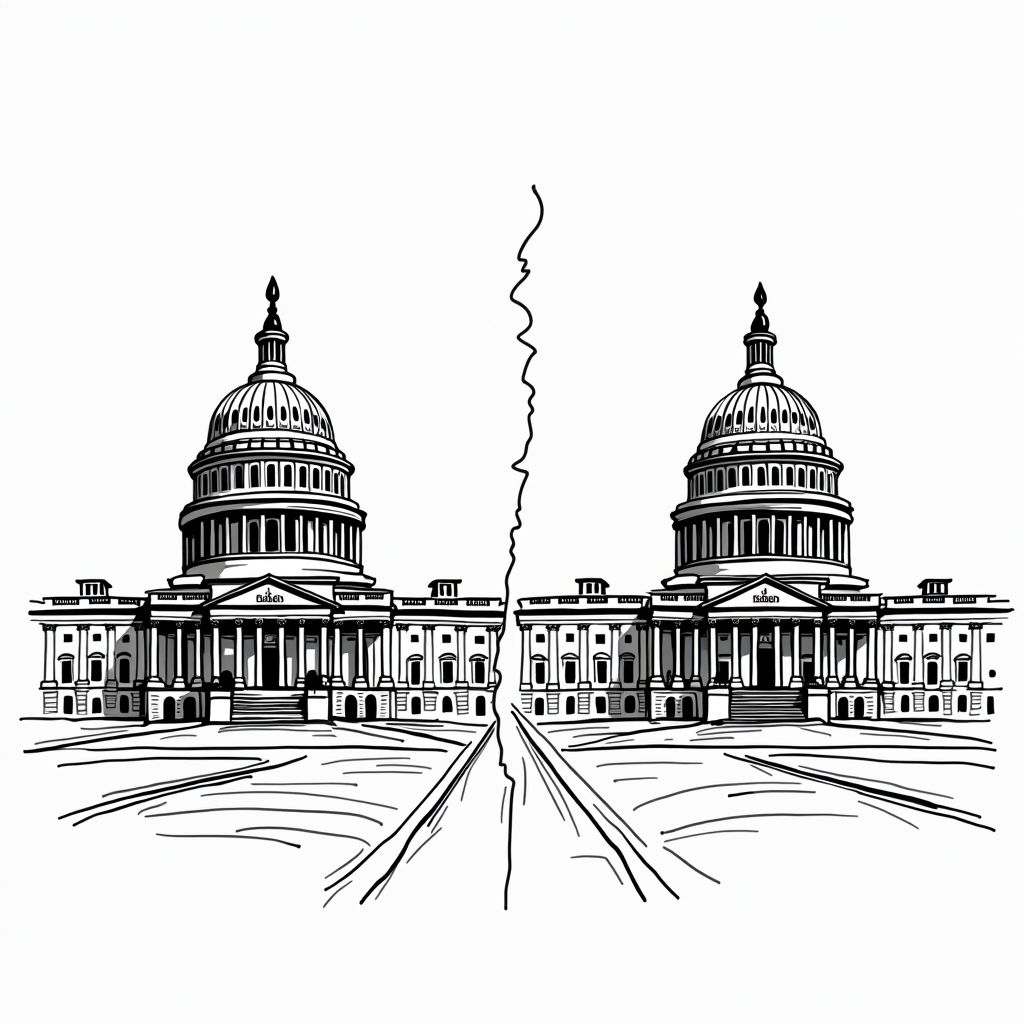
Washington D.C., Wednesday, 14 January 2026.
With repair costs outpacing inflation by over 30%, Congress is advancing legislation to mandate data sharing, potentially dismantling automaker service monopolies and restoring competition to the aftermarket sector.
The Battle for Digital Sovereignty
On Tuesday, January 13, 2026, the House Energy and Commerce Subcommittee on Commerce, Manufacturing, and Trade convened a critical hearing to address the widening gap between vehicle ownership and software control [3][5]. At the center of the debate is the Right to Equitable and Professional Auto Industry Repair (REPAIR) Act (H.R. 1566), legislation championed by Representative Neal Dunn (R-FL) that aims to dismantle the exclusivity automakers currently hold over vehicle diagnostics and repair data [1][8]. As modern vehicles evolve into sophisticated computers, manufacturers have increasingly restricted access to the telemetry required for maintenance, a practice that independent repair shops argue locks consumers into a monopolistic service ecosystem [1][2].
The Economics of Ownership
The economic stakes for consumers are stark, driven by a sharp divergence between general economic trends and the automotive sector. According to Justin Rzepka, Executive Director of the CAR Coalition, the cost of maintaining a vehicle has skyrocketed disproportionately over the last five years [6]. While general inflation rose by 20% during this period, auto repair costs surged by 53%, resulting in a pricing gap of 33% that advocates attribute directly to anticompetitive restrictions on data access [6]. Rzepka framed this as a fundamental property rights issue during the lead-up to the hearing, questioning the nature of modern ownership: “If you drive that car off the lot and you don’t have the ability to fix that car because of lack of information, do you own that car?” [6].
Supply Chain Implications
The scope of the legislation extends beyond passenger vehicles to the backbone of the American supply chain. The Owner-Operator Independent Drivers Association (OOIDA) informed the committee earlier this week that excluding heavy-duty trucks from the bill would be a critical failure [7]. In a letter sent prior to the hearing, OOIDA President Todd Spencer warned that independent truckers—who are currently facing a historic industry downturn—rely on the ability to repair their own equipment to remain solvent [7]. The association has threatened to “vocally and vigorously oppose” the legislation if commercial motor vehicles are exempted, emphasizing that small-business truckers cannot afford the downtime associated with dealer-only repairs [7].
Sources
- www.wired.com
- www.nfib.com
- www.autocare.org
- www.autobpa.com
- www.aftermarketnews.com
- www.carrepairchoice.org
- landline.media
- www.mema.org