President Trump Cancels Controversial Plan to Livestream Military Execution
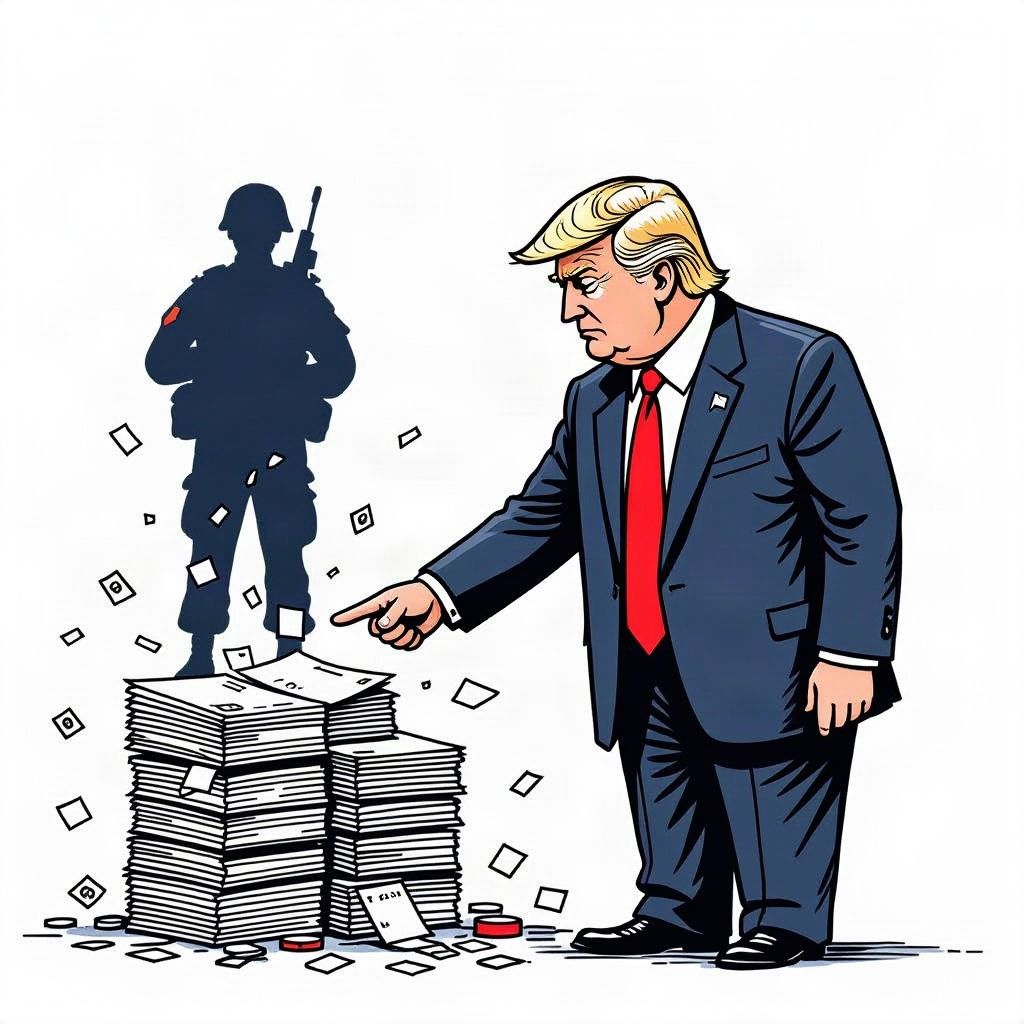
Washington, Saturday, 17 October 2026.
Following overwhelming public opposition, President Trump overruled Defense Secretary Hegseth’s proposal to publicly broadcast a military firing squad execution, averting severe political fallout and international security risks.
Presidential Reversal on Execution Broadcast
President Donald Trump officially canceled the plan to livestream the military execution of Nidal Hasan on October 15, 2026, overriding Defense Secretary Pete Hegseth’s initial proposal [3][5]. The decision came approximately eight days after Hegseth announced the intention to broadcast the firing squad execution, which would have been the first public execution in the United States in 90 years [1][2]. President Trump stated that many well-meaning people would prefer not to watch the event, marking a significant shift from the administration’s earlier stance on transparency [5][8]. The execution itself remains scheduled for December 3, 2026, though attendance will now be restricted to the immediate families of the victims [1][5].
Political Fallout and Public Opinion
The proposal faced immediate bipartisan criticism, with Ipsos polling indicating that 80% of Americans opposed the broadcast, including 64% of Republican voters [1][2]. Vice President JD Vance publicly stated he would not watch the livestream, signaling internal discord within the Republican Party ahead of the midterm elections [3][4]. Critics argued that televising the execution would violate democratic principles and transform a legal penalty into a barbaric spectacle [3][5]. This opposition highlights the volatility surrounding national defense communications and the administration’s sensitivity to polling data [1][4].
Security Risks and International Reaction
Security experts warned that broadcasting the execution could grant notoriety to the mass shooter and trigger reprisals from Islamist groups such as Al-Qaeda [1][8]. International backlash was swift, with the Australian government attempting to block the stream and introducing legislation to enhance online safety regarding such content [5][8]. The Australian eSafety Commissioner noted limited regulatory power over lawful executions but emphasized the responsibility of online platforms to protect users [8]. These security concerns contributed to the White House’s decision to rescind the order to mitigate potential global risks [4][7].
Administrative Instability and Outlook
This episode underscores rising internal tension within the administration’s defense apparatus, following similar controversies involving personnel conduct [1][2]. Earlier in the week, Ambassador Kimberly Guilfoyle was dismissed from her post in Greece following allegations of improper conduct involving a donor credit card bill [1][2]. Secretary Hegseth has not issued a public statement since the President’s announcement, leading to speculation about his future within the cabinet [1][2]. The administration is now focused on managing the fallout ahead of upcoming midterm elections, which polls currently forecast as unfavorable for Republicans [1][2].