Meta Expects AI Efficiency Gains to Fuel More Work, Not Extra Vacation
Menlo Park, Sunday, 9 August 2026.
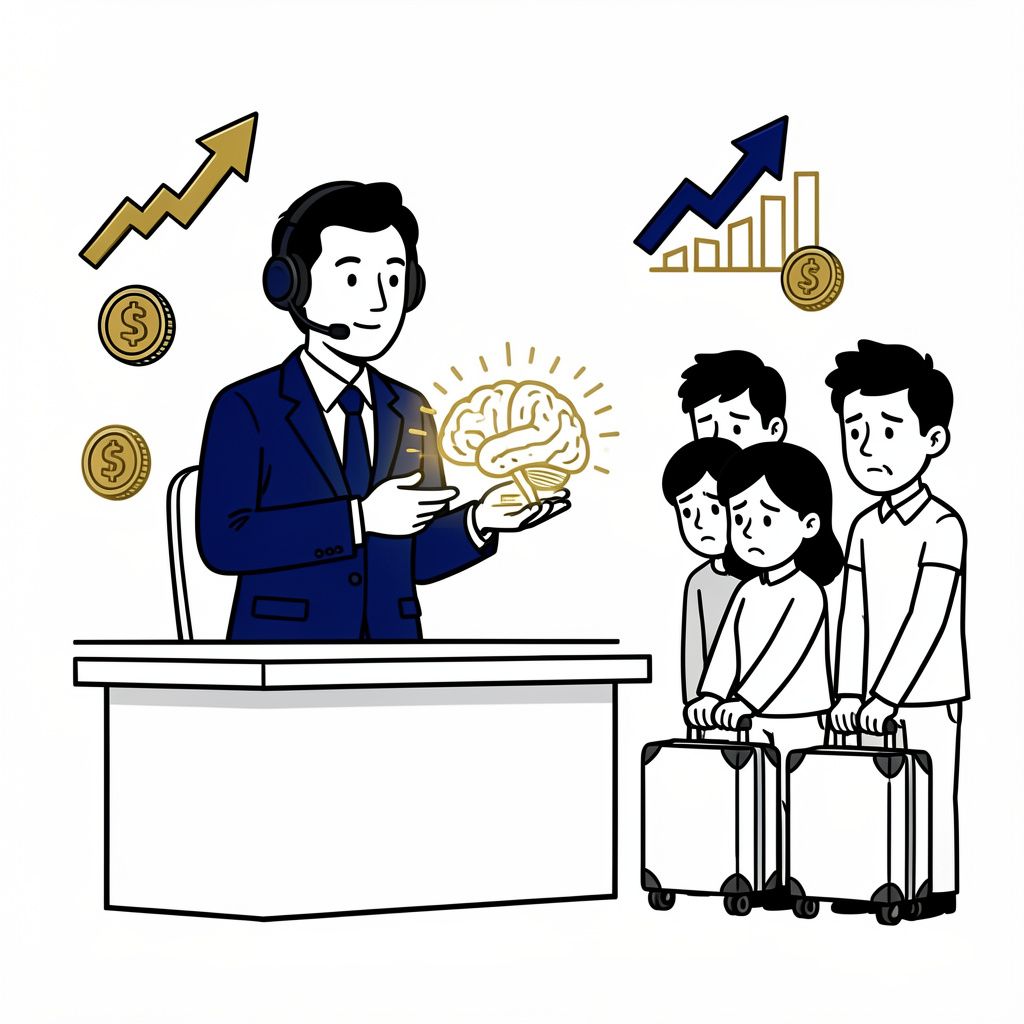
Meta CTO Andrew Bosworth rejected employee requests to trade AI productivity gains for extra paid time off, establishing that enterprise AI efficiency belongs to the company to increase overall output.
Internal Pushback on AI Benefits
During an internal question-and-answer session held in early July 2026, Meta Platforms Inc. (NASDAQ: META) Chief Technology Officer Andrew Bosworth addressed employee inquiries regarding artificial intelligence productivity gains [1][2]. When asked if time saved through AI tools could be converted into additional paid time off, specifically reviving the discontinued Meta Days program, Bosworth rejected the proposal [3][4]. He characterized the suggestion as very dumb, signaling a firm stance against reducing labor hours despite efficiency improvements [1][2]. Bosworth emphasized that saved time should be reinvested into building more products for the company’s billions of daily users [2][5]. He advised employees to focus on career strategy rather than requesting more days off, suggesting such inquiries were better suited for parental guidance than executive leadership [1][4]. This exchange highlights a prioritization of output expansion over workforce leisure within the organization [3][5].
Compensation Policies and Workforce Context
Meta currently provides employees with four weeks of paid time off per year alongside federal holidays, having replaced the former Meta Days program with two flexible choice days [2][8]. The Meta Days initiative was originally introduced in 2020 during the COVID-19 pandemic to boost morale but was later discontinued [1][3]. Current benefits remain standard for the industry, though the expectation for output has shifted with AI integration [2][5]. This policy clarification follows a cost-cutting move in May 2026 where approximately 8,000 employees were let go [1]. The layoffs coincided with a reported $135 billion commitment to AI investment by the company [1]. Management indicates that efficiency dividends from automation are designated for product competition rather than reduced workweeks [4][5].
Broader Industry Implications
The situation reflects a broader debate across the technology sector regarding AI’s impact on labor conditions [2][4]. While Morgan Stanley predicted in 2023 that generative AI would increase worker income and capacity for multiple jobs, corporate leadership often favors reinvestment [2][4]. Conversely, Amazon founder Jeff Bezos suggested in June 2026 that AI might facilitate a return to single-earner household models [2][4]. Bosworth later apologized for the harshness of his delivery, acknowledging the question may have been tongue-in-cheek [3][4]. However, the underlying policy remains that AI productivity gains at Meta belong to the organization [3][5]. This establishes a precedent for executive leadership and workforce policy across the tech sector as automation tools become ubiquitous [1][5].