Historic March Heatwaves and Plains Wildfires Put US Economy on Alert
Washington, D.C., Saturday, 14 March 2026.
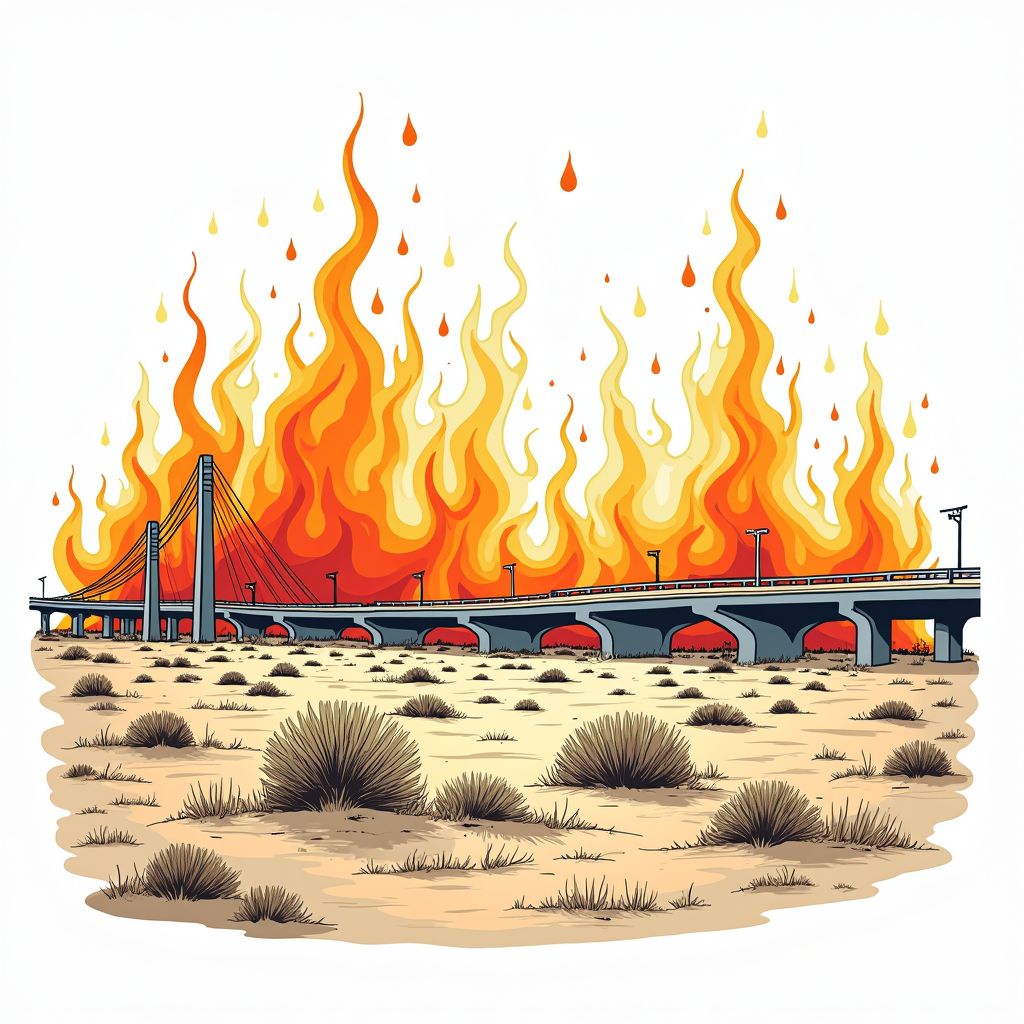
Unprecedented March heat soaring 22°C above normal is sweeping the US, fueling massive 133,500-hectare wildfires and posing critical threats to nationwide infrastructure, power grids, and agricultural supply chains.
Infrastructure and Agricultural Disruptions in the Plains
As of today, March 14, 2026, the central United States is battling severe fire weather conditions that threaten regional agricultural stability and local infrastructure [1][2]. According to the National Interagency Fire Center and local authorities, massive wildfires are actively burning across Nebraska, with an estimated combined total of 416000 acres scorched across the Panhandle, the Bessey Ranger District, and south-central counties [2]. The National Weather Service in North Platte has issued a Red Flag Warning effective through tonight, citing low humidity and wind gusts up to 30 mph that are rapidly exacerbating the crisis [2].
Eastern Seaboard Faces Unprecedented Spring Heat
Concurrently, the eastern United States has experienced an extraordinary thermal anomaly, with the Weather Prediction Center reporting temperatures soaring 16.7 to 22.2°C above seasonal norms earlier this week [1][4]. On March 10, multiple transit hubs, including Washington Dulles and Atlantic City Airport, recorded unprecedented daily high temperatures [5]. The volatility peaked when Washington, D.C., reached a staggering 30°C on Wednesday, March 12, only to experience snowfall the very next day [3]. This rapid oscillation is driven by a massive large-scale weather system moving across North America, sending the Mid-Atlantic and Ohio Valley into early summer conditions [4].