President Trump Threatens Severe Penalties for White House Leakers Revealing Iran Strategy
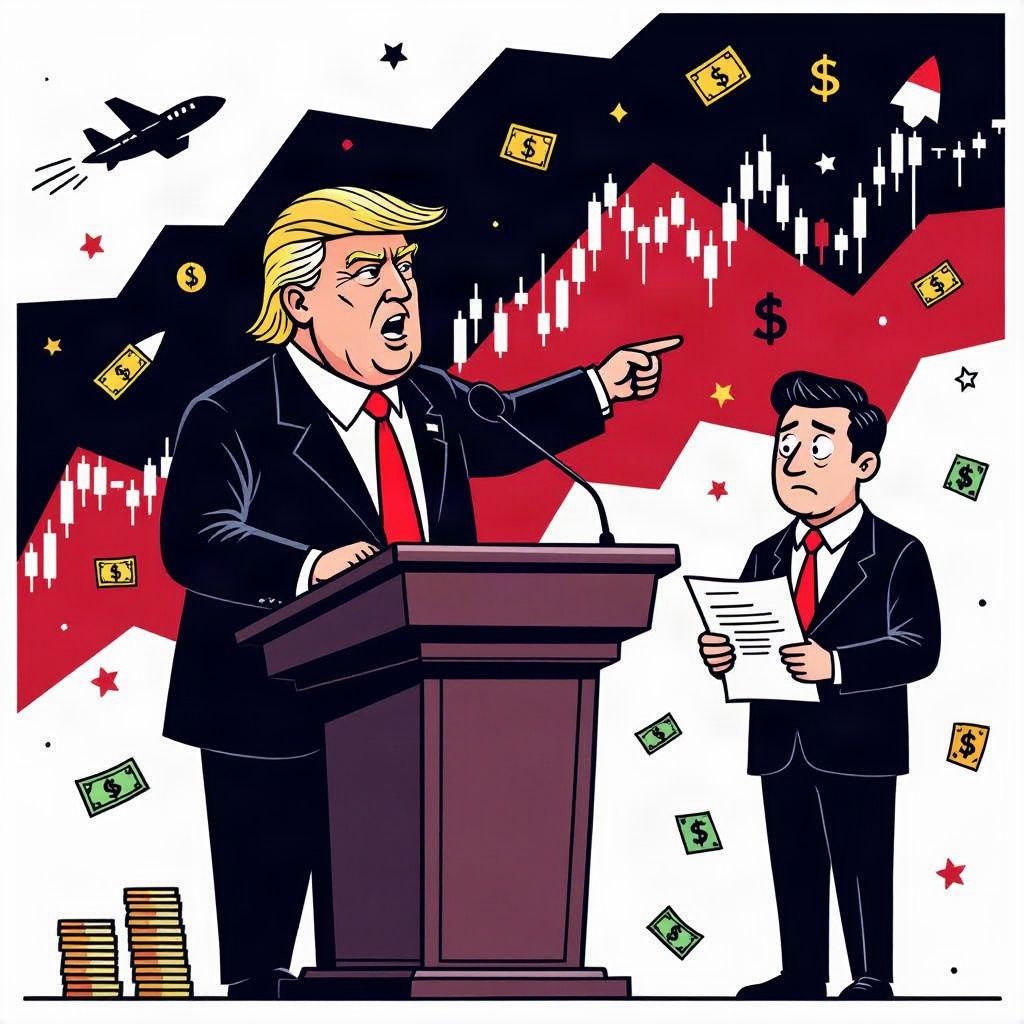
Washington, Saturday, 19 September 2026.
President Trump threatened severe consequences for officials leaking intelligence about the Iran war, highlighting internal White House divisions as the $38 billion conflict faces low public support.
Executive Threats on Truth Social
On Thursday, 17 September 2026, President Donald Trump issued a stark warning to White House officials via Truth Social, threatening severe legal and professional consequences for unauthorized disclosures regarding Iran strategy [2][3][6][7]. The President specifically targeted insiders who revealed internal deliberations to major publications, stating, “Keep on leaking you dirty dogs! When we find you, you will pay a big price!!!” [2][3][6][7]. This statement marks a significant escalation in administrative tension as the conflict enters a critical phase ahead of the midterm elections [2][3][7]. The threat underscores the friction between the executive branch and national security apparatus concerning the ongoing military engagement [1][5].
Origins of Operation Epic Fury
The military campaign, designated as Operation Epic Fury, commenced with major combat operations announced in February 2026, specifically around 28 February 2026 [2][3][6][7]. Despite the current duration of seven months, initial communications suggested a much shorter timeline, with early claims indicating the conflict would conclude in six weeks [3][6]. Internal opposition was present from the outset, with key figures including Vice President JD Vance and then-Director of National Intelligence Tulsi Gabbard advising against the strikes [1][2][3][6]. Reports indicate that during a February 2026 Oval Office meeting, Gabbard warned that attacking Iran could destabilize global energy markets by forcing the closure of the Strait of Hormuz [6][7].
Economic and Strategic Consequences
The financial impact of the conflict has grown substantially, with estimates varying between $33 billion and $38 billion as of late summer 2026 [2][3][6]. Congressional Budget Office data cited in August 2026 placed Defense Department spending at $38 billion, with projected additional costs ranging from $2 billion to $3 billion per month depending on fighting intensity [6]. Strategic concerns have materialized regarding shipping routes, as data from 15 and 17 September 2026 recorded only four commodity vessels crossing the Strait of Hormuz, indicating a sharp decline in commercial traffic [6]. These disruptions have contributed to increased gas prices and restricted shipping, compounding the economic strain on domestic markets [2][3][7].
Political Ramifications and Public Support
Domestic support for the conflict remains low, with a Reuters/Ipsos poll from August 2026 indicating only 31 percent of Americans back the war [2][3][6]. This sentiment poses a challenge for the Republican party ahead of the November 2026 midterm elections [2][3][7]. The controversy was further highlighted by a Washington Post opinion column by Marc A. Thiessen on 27 August 2026, which analyzed leaked reports regarding internal administration opposition [6][7]. Thiessen described the President’s decision as courageous, contrasting with the skepticism expressed by officials such as CIA Director John Ratcliffe and Secretary of State Marco Rubio [3][6][7].
Sources
- www.the-independent.com
- www.the-independent.com
- www.yahoo.com
- www.facebook.com
- www.facebook.com
- www.wonderwall.com
- www.thedailybeast.com