White House Threatens Incoming Congressional Investigators With Criminal Probes
Washington, Wednesday, 11 November 2026.
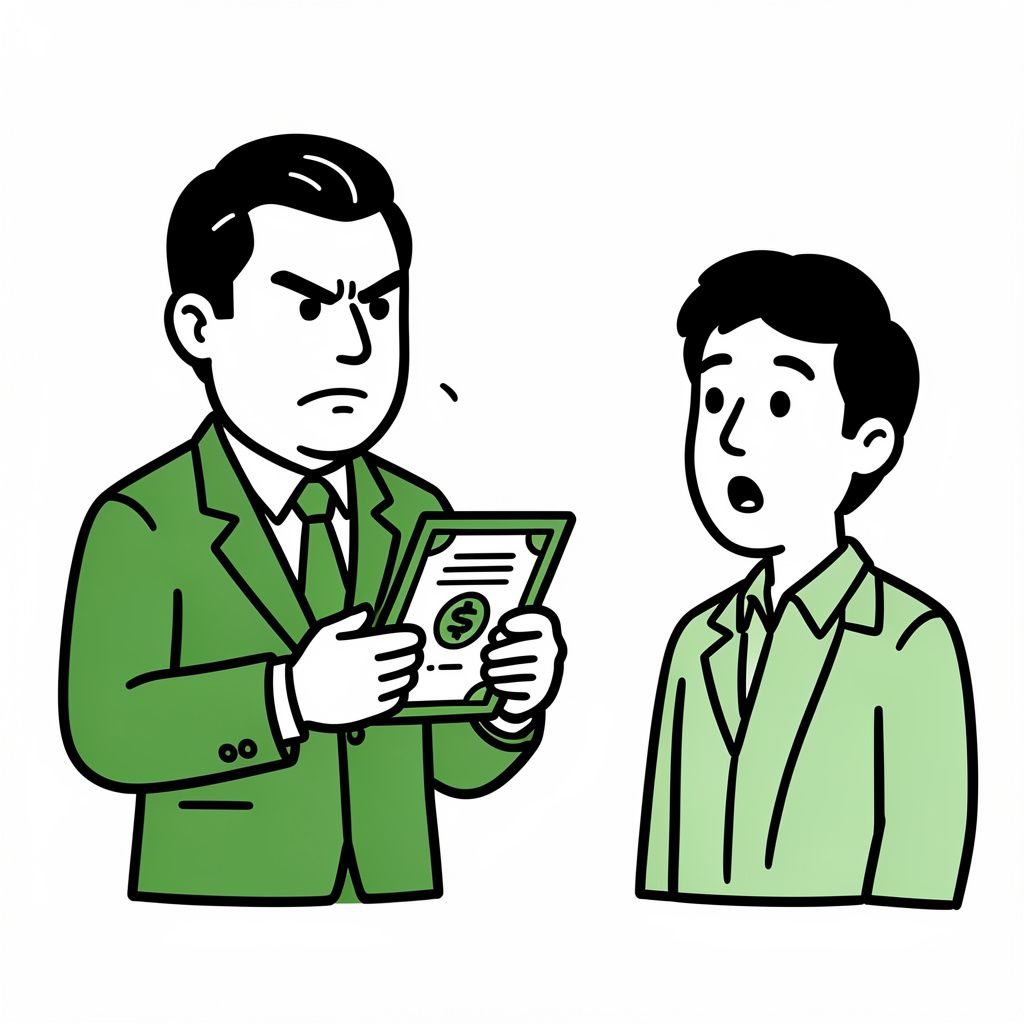
White House Counsel Will Scharf warned incoming House Oversight Democrats that aggressive subpoenas could constitute criminal extortion, threatening counter-investigations against lawmakers ahead of the new congressional session.
A Sharp Escalation in Constitutional Confrontation
The Trump administration has drawn a hard line against incoming congressional oversight investigations, with White House Counsel Will Scharf issuing a formal warning to Representative Robert Garcia (D-Calif.), the incoming chair of the House Oversight Committee, that aggressive subpoenas and investigative threats could cross into criminal extortion [1][2][3][4][5]. The letter, dated November 9, 2026, asserts that certain oversight activities—particularly those targeting executive branch officials—may constitute ‘blatant criminality’ and could prompt retaliatory executive branch counter-investigations [2][3][5]. The administration’s stance represents a dramatic escalation in the constitutional clash between the legislative and executive branches, setting the stage for protracted legal and political battles in the 120th Congress, which convenes in January 2027 [2][5][6].
The Legal and Political Underpinnings of the Warning
In the letter, Scharf contends that congressional investigations must serve a legitimate legislative purpose and warns that ‘issuing unlawful subpoenas with the intention of depriving citizens of their constitutional rights and privileges may warrant further investigation’ [2][3][5]. He further argues that ‘abusive threats and public statements about the indiscriminate issuance of subpoenas’—a reference to Garcia’s stated intent to investigate Trump family business dealings, corporate corruption, and immigration authorities—are designed to ‘harass and aggrandize’ rather than advance legitimate legislative ends [2][3][5]. The administration’s position echoes historical debates over congressional subpoena power, including the 2020 U.S. Supreme Court ruling that affirmed subpoenas must meet constitutional standards, though the Court declined immediate access to Trump’s financial records at the time [2][GPT].
Congressional Pushback and the Battle for Subpoena Power
Garcia has dismissed the warning as a baseless attempt to intimidate Congress, asserting in a statement that ‘Congress’ authority comes from Article I of the Constitution, not from the permission of the White House’ [2][3][5]. Committee spokeswoman Sara Guerrero confirmed that the letter had not yet been received as of November 11, 2026, further underscoring the partisan standoff [4]. The administration’s threat to investigate the investigators reflects a broader strategy to deter Democratic-led probes, a tactic that could reshape the balance of power between Congress and the executive branch [1][5][6]. President Donald Trump amplified the administration’s stance on Truth Social, declaring that Democrats ‘should go to jail for what they are doing’ [2][3][5].
Broader Context: A Congress Divided and the Road Ahead
The warning comes amid a politically fraught transition following the 2026 midterm elections, in which Democrats secured control of both chambers of Congress, flipping key governorships and gaining subpoena power [3][GPT]. The administration’s aggressive posture toward oversight investigations follows a series of setbacks for congressional Republicans, including the failure of outgoing Rep. Thomas Massie’s (R-Ky.) effort to impeach Defense Secretary Pete Hegseth, which was blocked by a 211-204 House vote on November 10, 2026 [1][3]. The impeachment push, which included eight articles accusing Hegseth of unconstitutional military actions and extrajudicial killings, was undermined by the absence of 11 Democratic lawmakers, highlighting the narrow margins shaping congressional dynamics [1][3]. Meanwhile, President Trump’s Veterans Day remarks at Arlington National Cemetery, where he praised Hegseth, further underscored the administration’s defiance of congressional oversight efforts [1].
Potential Outcomes and the Path Forward
The standoff raises significant legal and political questions about the scope of congressional subpoena power and the executive branch’s authority to retaliate against lawmakers [1][5][6]. While Congress has historically wielded broad investigative powers, the Trump administration’s threat to pursue criminal investigations against Democratic lawmakers could set a precedent for future confrontations [2][3][GPT]. Garcia has vowed to proceed with planned investigations into Trump family businesses, corporate corruption, and immigration authorities, framing the administration’s warning as an attempt to ‘weaponize the government’ against Congress [2][3]. As the 120th Congress prepares to convene in January 2027, the clash over oversight authority promises to be a defining feature of the political landscape, with potential implications for judicial oversight, corporate accountability, and the balance of power between the branches of government [2][5][6].
Sources
- www.cnn.com
- abcnews.com
- www.cbsnews.com
- www.politico.com
- www.facebook.com
- punchbowl.news
- www.thehill.com
- www.bloomberg.com
- wsnext.com