Pizza Hut Revives Vintage Dining Experience to Attract Multiple Generations
Plano, Saturday, 23 May 2026.
To boost dine-in traffic, Pizza Hut is outfitting 155 locations with iconic 1990s decor. This experiential dining strategy leverages nostalgia to attract older patrons and younger crowds alike.
The Strategic Value of Nostalgia in Dining
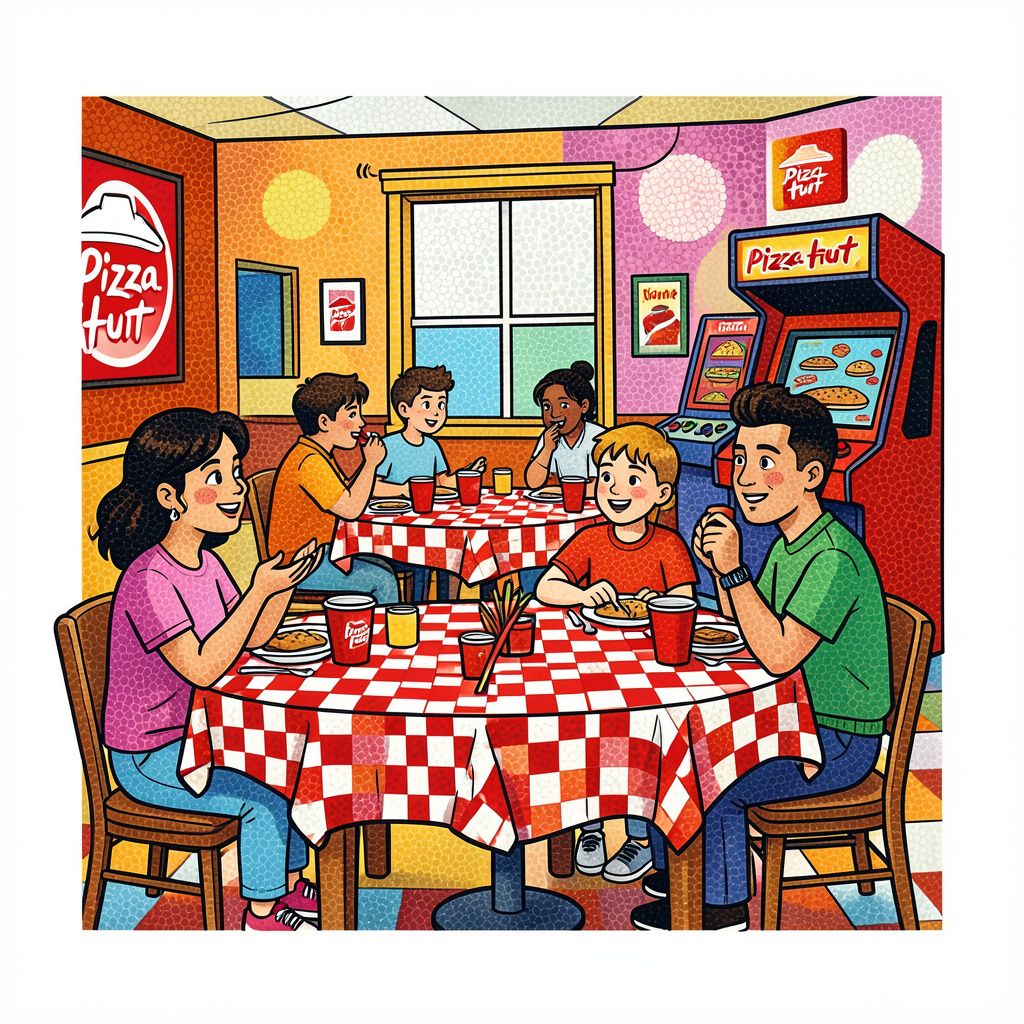
Yum! Brands (NYSE: YUM) subsidiary Pizza Hut has officially expanded its “Pizza Hut Classic” initiative, bringing retro aesthetics to 155 locations across 27 states in the United States as of late May 2026 [2][3]. The redesigns meticulously recreate the dining environment of the 1980s and 1990s, reintroducing signature architectural and interior elements such as the distinct red roof design, textured red plastic cups, vinyl booths, and Tiffany-style stained-glass lampshades [1][2]. Furthermore, the classic experience is bolstered by the return of dine-in salad bars and vintage arcade games, including Pac-Man [2][3].
Franchisee Leadership and the Daland Corporation
The push toward vintage revitalization is being heavily championed at the franchisee level, most notably by the Kansas-based Daland Corporation [1]. Led by President and CEO Tim Sparks, the restaurant management company has aggressively adopted the classic model to differentiate its dining experience [1][3]. Daland Corporation has remodeled 38 of its 93 franchise locations to feature the retro decor, meaning 40.86 percent of its current Pizza Hut portfolio has been converted to the classic layout [1]. While a May 19, 2026, podcast discussed Sparks redesigning more than 80 locations [4], official franchise figures confirm the 38 completed remodels under Daland’s direct purview [1] [alert! ‘Podcast figures may refer to future planned expansions or conflate total national remodels with Daland-specific locations’].
Consumer Reception and Broader Market Trends
The organic marketing generated by the “Pizza Hut Classic” stores has already demonstrated the viability of nostalgia as a traffic driver [GPT]. Customers visiting the newly remodeled locations are actively sharing photographs and videos across social media platforms, effectively providing free promotional material for the brand [1]. The cultural resonance of the 1990s dining experience has even permeated digital media discussions, with a May 19, 2026, episode of the “Circling Back” podcast highlighting the return of red and white checkered tablecloths and family booths as highly enticing factors for returning customers [4].