Federal Judge Bars Halligan From Using U.S. Attorney Title, Citing Unlawful 'Charade'
Alexandria, Tuesday, 20 January 2026.
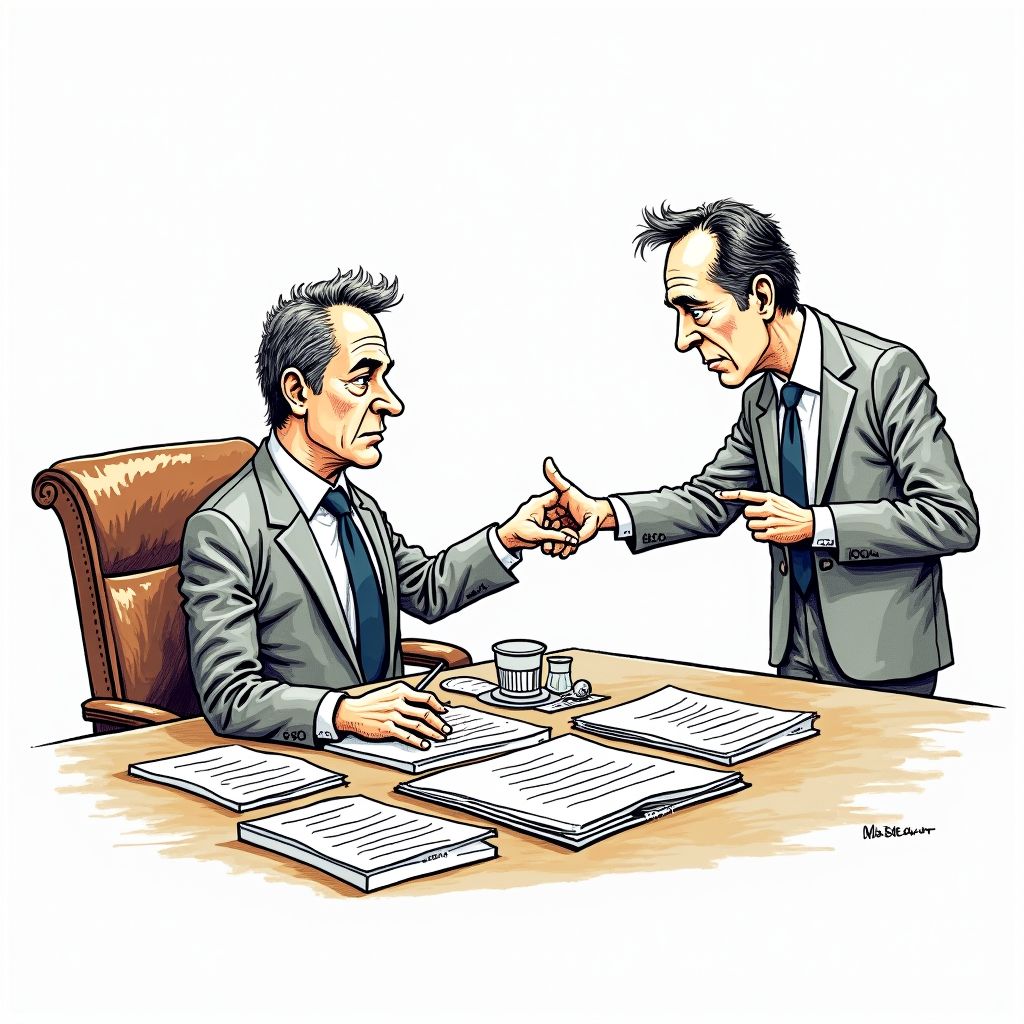
Labeling her continued claim to the role a “charade,” Judge Novak ordered Halligan to cease using the U.S. Attorney title immediately or face discipline as the court seeks her replacement.
Judicial Escalation in the Eastern District
On Tuesday, January 20, 2026, the conflict regarding the leadership of the U.S. Attorney’s Office for the Eastern District of Virginia intensified significantly. U.S. District Judge David Novak issued a decisive order barring Lindsey Halligan from referring to herself as the United States Attorney in any legal filings or court appearances [1][3]. Judge Novak characterized Halligan’s continued use of the title as a “charade” and accused her of “masquerading” as the district’s top federal prosecutor in defiance of binding court orders [2][7]. While the judge noted that Halligan would be spared immediate disciplinary proceedings “in light of her inexperience,” the order explicitly warned that she and any attorneys joining her in future pleadings would face potential disciplinary action if the misrepresentation continues [1][3].
Origins of the Legitimacy Crisis
The current standoff is rooted in a ruling from November 2025 by U.S. District Judge Cameron McGowan Currie, who determined that Halligan’s appointment as interim U.S. attorney was unlawful because she had not been confirmed by the Senate or appointed by the federal judiciary [3][5]. Despite this ruling, Halligan continued to assert her authority, leading the Justice Department to list her as “United States Attorney and Special Attorney” on indictments as recently as December 2025 [5]. Judge Novak’s Tuesday order emphasized that this continued identification “ignores a binding court order and may not continue,” labeling it a false statement made in defiance of the court [2][3]. The court further noted that Halligan’s statutory 120-day appointment formally expired on January 20, 2026, leaving the position legally vacant [4][5].
Administrative Clash and Rhetorical Vitriol
The Department of Justice has mounted a vigorous defense of Halligan, resulting in a sharp rebuke from the bench. In a filing signed by Halligan, Attorney General Pam Bondi, and Deputy Attorney General Todd Blanche, the DOJ accused the court of a “gross abuse of power” and described the judicial scrutiny as an “inquisition” against the executive branch [5][7]. Judge Novak criticized this response on Tuesday, stating that the filing contained “a level of vitriol more appropriate for a cable news talk show” and fell far beneath the standards of advocacy expected from the Department of Justice [2][3]. Novak further remarked that it was “inconceivable” for the DOJ to demand citizens follow the law while the department itself repeatedly ignored court orders [3].
Search for a Replacement and Legal Fallout
With Halligan’s authority nullified, the federal judiciary has moved to stabilize the office. On January 20, Chief Judge M. Hannah Lauck posted a job opening for the position of Interim U.S. Attorney, soliciting applications from qualified candidates by February 10, 2026 [1]. This leadership vacuum has already impacted high-profile litigation; following the November ruling that Halligan was unlawfully appointed, Judge Currie dismissed indictments against former FBI Director James Comey and New York Attorney General Letitia James [1][5]. While the Trump administration has re-nominated Halligan for the post as of January 13, she has not yet been confirmed by the Senate, leaving the strategic district in a state of administrative flux [1].
Sources
- www.nbcnews.com
- www.nytimes.com
- abcnews.go.com
- www.democracydocket.com
- www.cbsnews.com
- www.washingtonpost.com
- www.the-independent.com