Record Diesel Prices Threaten to Drive Up Everyday Living Costs Across America
Washington, Saturday, 12 September 2026.
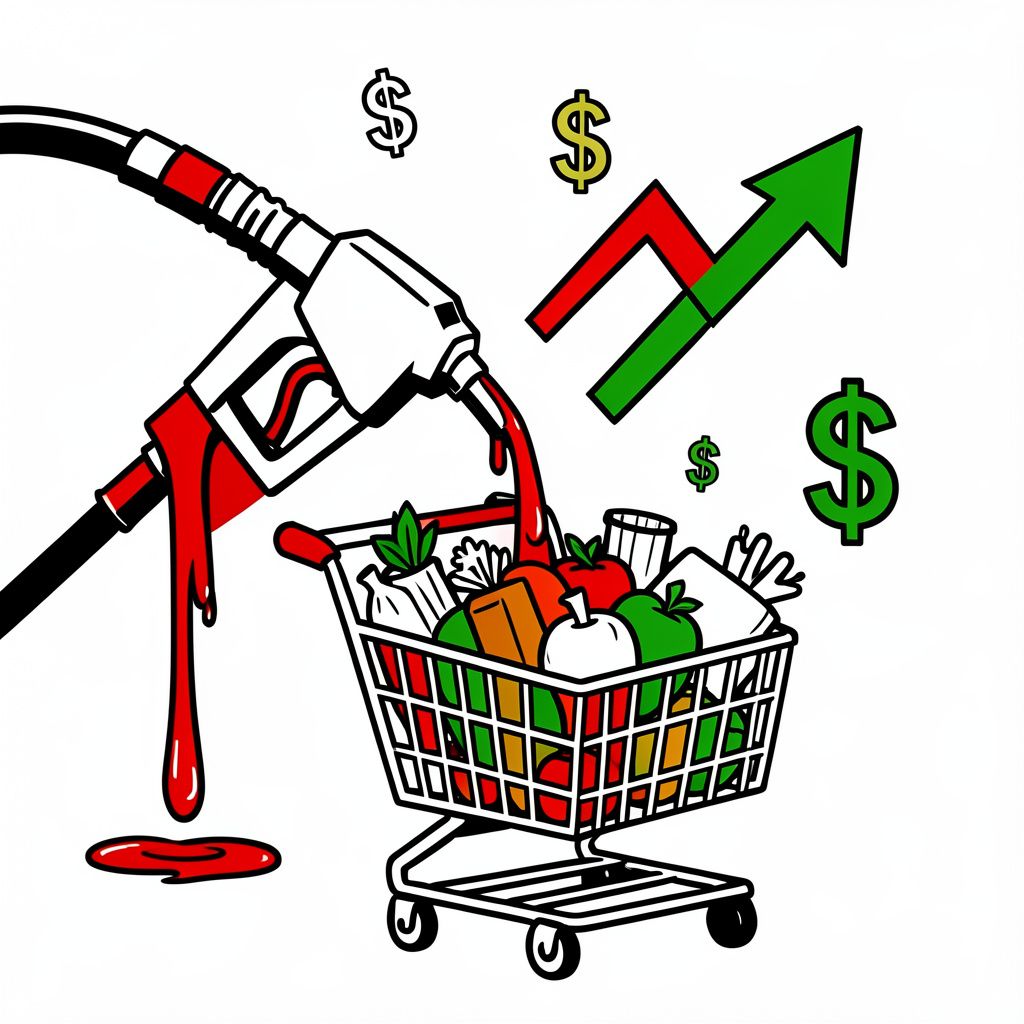
U.S. diesel prices have surpassed $6 per gallon, adding $300 million in daily transportation expenses and driving up consumer food prices while triggering expected interest rate hikes.
Supply Chain Strain and Agricultural Impact
The surge in diesel costs to approximately $6 per gallon represents a critical threshold for American logistics and farming sectors [1][3]. Transportation expenses have increased by 109500 million annually based on current daily additions to the national cost burden [3]. Fourth-generation Iowa farmer Mark Mueller noted that elevated fuel costs, combined with fertilizer prices tied to petroleum, are endangering a strong economic pillar [1]. Industry leaders warn that these logistics expenses will squeeze corporate profit margins and complicate federal efforts to tame baseline inflation [1][3].
Inflationary Pressure on Consumers
Broader economic indicators show inflation rose 3.4% in the 12 months to August 2026, with gasoline prices contributing significantly to the total rate [2]. Diane Swonk, chief economist at KPMG, stated that the cost of diesel affects everything shipped across the economy [1]. Consumers are expected to pay higher prices for goods requiring transport, as noted by RSM chief economist Joseph Brusuelas [1]. Real average hourly earnings declined 0.3% over the past year, compounding the strain on household budgets [2].
Geopolitical Supply Shocks
The price spike correlates with geopolitical instability, specifically the war with Iran which began in late February 2026 [1]. On September 10 and 11, 2026, a drone attack originating from Iraq forced Saudi Arabia to shut down the East-West pipeline, pushing Brent crude prices to peak at $110 per barrel [4]. A Russian diesel export ban implemented in July 2026 is scheduled to remain in effect through 30 September 2026 [1]. Negotiations between the United States and Iran regarding oil flow normalization remain at an impasse, with projections indicating no resolution until 2027 [4].
Federal Reserve Response and Outlook
Federal Reserve Chair Kevin Warsh and market indicators suggest an interest rate hike is anticipated for the meeting scheduled for the week of 14 September 2026 [2][alert! ‘Meeting has not occurred as of 12 September 2026’]. CME Group data indicates 85% of traders expect a 0.25 percentage point rate hike [2]. President Donald Trump stated he expects oil prices to decline after the midterm elections in November 2026 [1][3]. The Energy Information Administration outlook expects retail diesel to average $4.40 a gallon in 2027, up from a previous forecast of $4.07 [3].