U.S. Bans Canadian Goods as Donald Trump Signals Potential Trade Deal
Washington, Tuesday, 29 September 2026.
Despite a new U.S. import ban on Canadian goods taking effect today, President Trump expects a trade deal within weeks, while Canadian businesses face immediate disruptions.
Immediate Trade Tensions and Import Bans
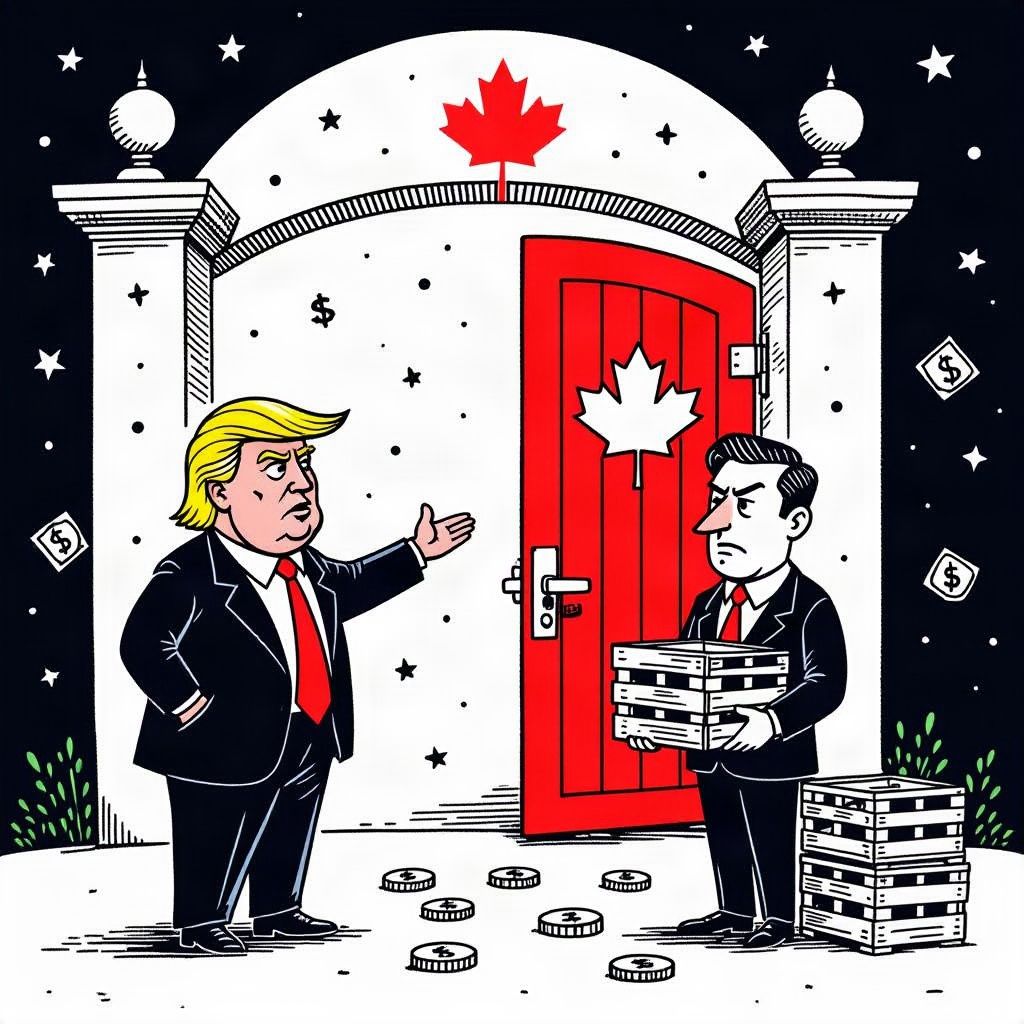
U.S. President Donald Trump announced expectations to finalize a comprehensive trade deal with Canada within the coming weeks, a statement made just hours before impending import bans on targeted Canadian goods were set to take effect [1][2]. The development offers potential relief to cross-border supply chains and corporate supply managers facing immediate tariff disruptions, though the timeline remains uncertain [1]. The import bans, signed via executive order on September 8, 2026, are scheduled to begin at 12:01 a.m. ET on Tuesday, September 29, 2026 [3]. This latest escalation follows a period where negotiations between the two countries ended acrimoniously last month, fracturing Ottawa’s relationship with the Trump administration [2].
Economic Ripple Effects on Industry
The White House ban targets a wide range of Canadian products, specifically affecting some alcoholic drinks, dairy byproducts, and motorcycles [2]. Industry leaders warn that even a temporary loss of access can have lasting consequences because relationships with consumers, importers, distributors, and retailers take years to establish [3]. In Ontario, the Stelco plant is scheduled to begin massive layoffs on October 9, 2026, citing the trade war as a contributing factor to operational instability [6]. Further north, Maine’s logging industry is suffering due to the trade war with Canada and record-high diesel prices, impacting businesses like WW London Woodlot Management Company which shut down operations in August 2026 [4].
Political Maneuvering and Negotiations
Talks slated to review the U.S.-Mexico-Canada trade agreement have been postponed, reflecting the volatility of the current diplomatic environment [5]. President Trump struck the original deal in his first term but threw it out in his second, leading to the current standoff [5]. Speaking to reporters in the Oval Office, Trump stated that Canadians take advantage of the U.S. and feel entitled, claiming they have treated the United States very unfairly [2][6]. He predicted that Canadian representatives would eventually contact him to say, ‘Sir, we are sorry,’ indicating a belief that a deal will be made but it must be fair [2][6].
Future Outlook and Timelines
President Trump predicted a deal would be reached over the next three or four weeks, contingent on Canada removing all of its tariffs [6]. Canada-U.S. Trade Minister Dominic LeBlanc’s office acknowledged the coming into force of the Administration’s previously announced trade measures, stating their priority remains protecting Canadian workers from unjustified actions [2]. While trade restrictions on Canadian goods are unlikely to significantly affect Canadian economic growth in the near term, they represent a significant fracture in trade relations [2]. The Canadian government is focusing on domestic strength and diversifying international partnerships in response to the ongoing trade standoff [3].
Sources
- www.ctvnews.ca
- ca.finance.yahoo.com
- globalnews.ca
- www.theguardian.com
- www.facebook.com
- bellmediainc-bnn-bloomberg-prod.web.arc-cdn.net