Dana White Urges President Trump to Reverse New Betting Tax Limits
Las Vegas, Sunday, 17 May 2026.
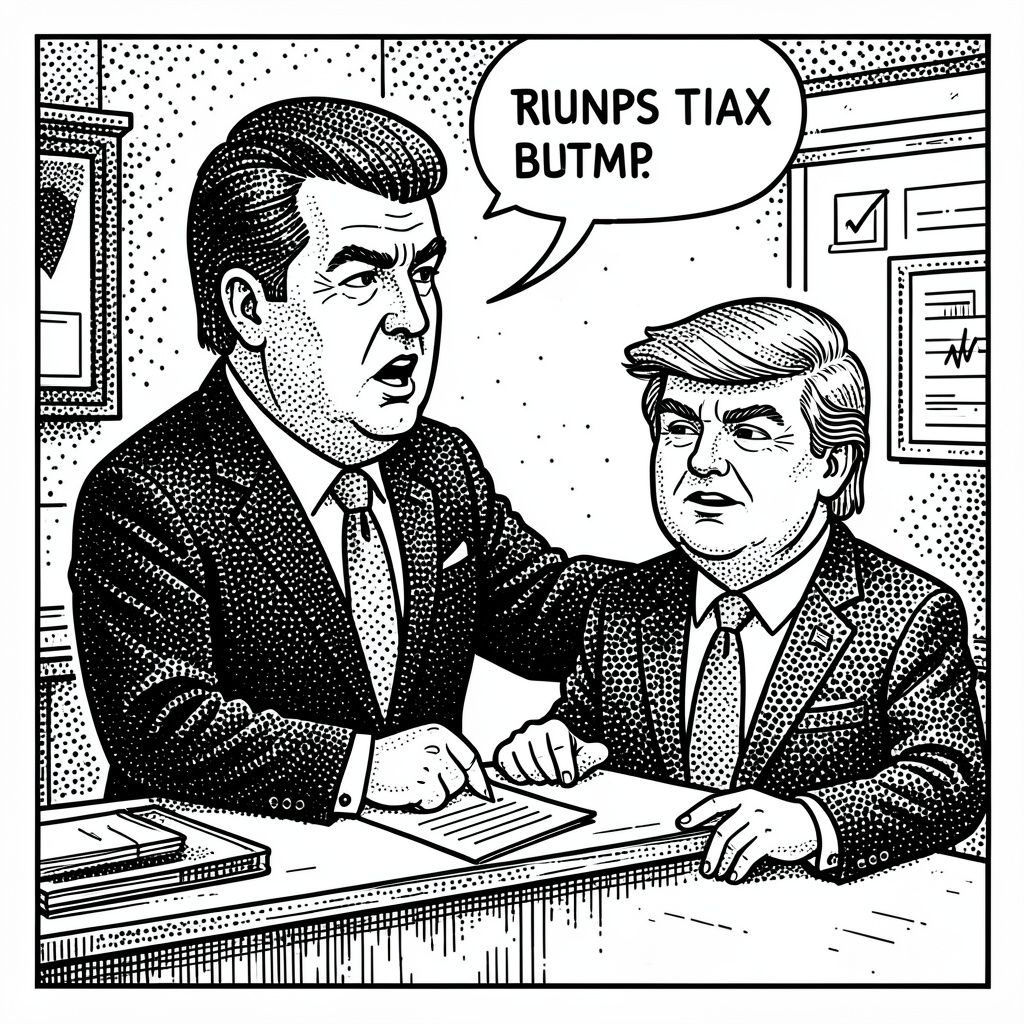
UFC President Dana White is lobbying President Trump to reverse new federal limits on gambling loss deductions, warning the tax policy could drive bettors into unregulated, underground markets.
The Mechanics of the New Tax Burden
In May 2026, UFC President Dana White sent a formal letter to President Donald Trump, a member of the Republican Party, requesting the rollback of a newly implemented federal limit on gambling loss deductions [1][7][GPT]. Prior to 2026, United States taxpayers were permitted to deduct 100 percent of their gambling losses up to the total amount of their winnings [6]. However, following the recent implementation of the OBBBA, this deduction has been restricted to 90 percent [6]. When combined with the standard federal tax rate of 24 percent on casino winnings, this active policy shift significantly alters the mathematical reality for frequent bettors [6]. The reduction represents a -10 percent change in the deductible allowance, creating an immediate squeeze on player margins [6].
High Rollers and Regulated Market Risks
The financial friction caused by the new tax framework is particularly acute for high-net-worth individuals and professional gamblers. White himself is familiar with high-stakes wagering; in July 2025, he secured a 1.2 million dollar baccarat victory at the Fontainebleau in Las Vegas [5]. For players operating at that volume, the inability to deduct the final 10 percent of losses—calculated as 10 percent—can translate to massive additional tax liabilities under the 24 percent federal rate [6].
Weighing Federal Revenue Against iGaming Growth
The broader economic context of White’s appeal is a rapidly expanding global iGaming industry, which is projected to surpass 150 billion dollars in gross gaming revenue by the end of 2026 [8]. Within the United States, the legal landscape has matured significantly since the Department of Justice clarified in 2011 that the Wire Act applied exclusively to sports betting, paving the way for broader legalization [6]. As of May 2026, more than 35 U.S. states feature active, legal sports betting markets, while real-money online casinos are fully regulated and operational in seven states [6][8]. State regulatory agencies independently oversee these operations, ensuring that platforms maintain proper licensing, secure payment encryption, and responsible gaming tools [6].
Sources
- www.espn.com
- x.com
- gamingamerica.com
- www.igamingtoday.com
- www.covers.com
- www.rotowire.com
- alienwp.com
- tribuna.com